


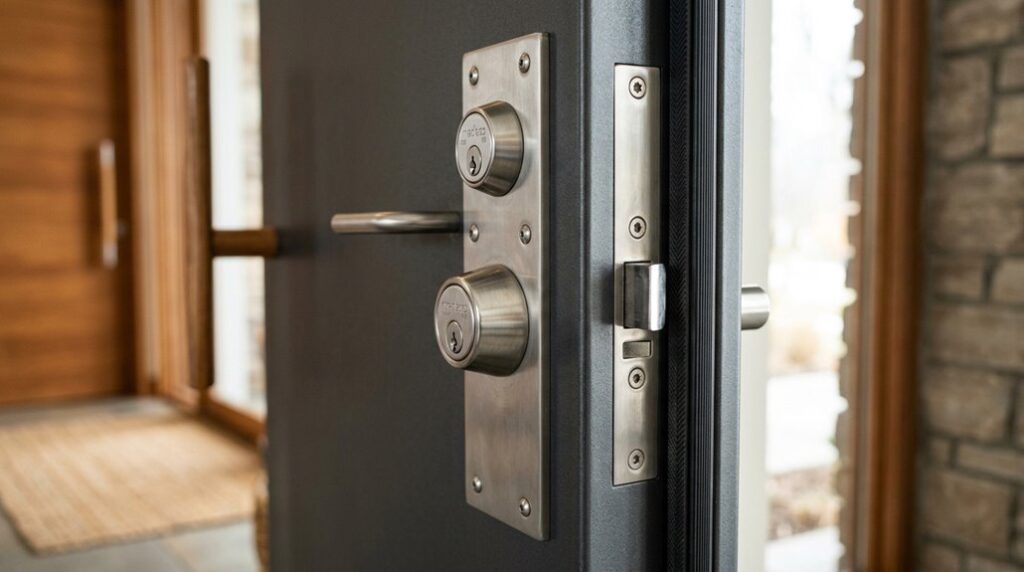
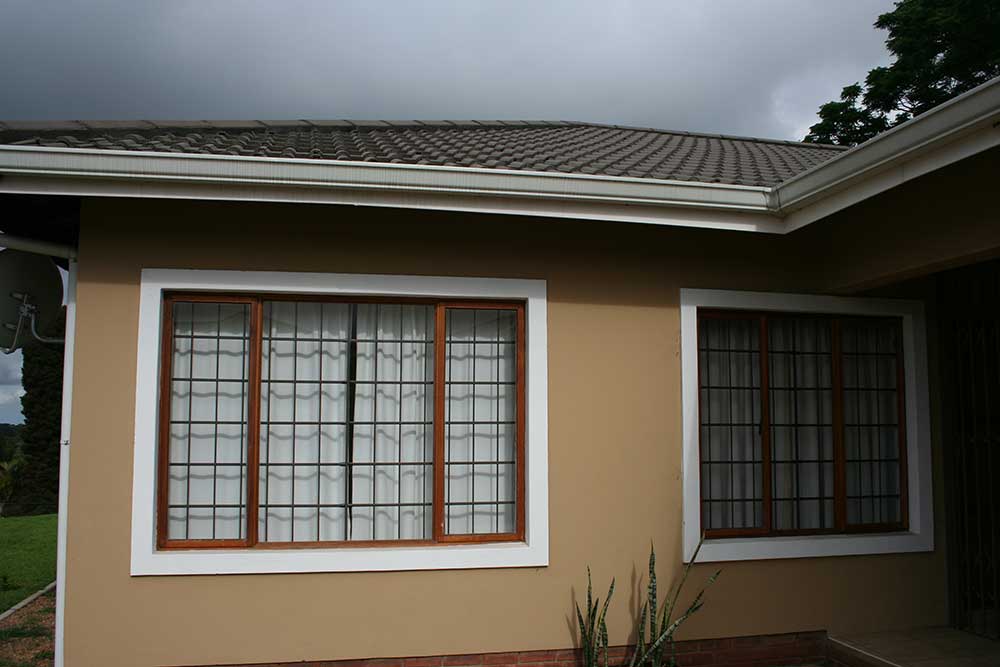
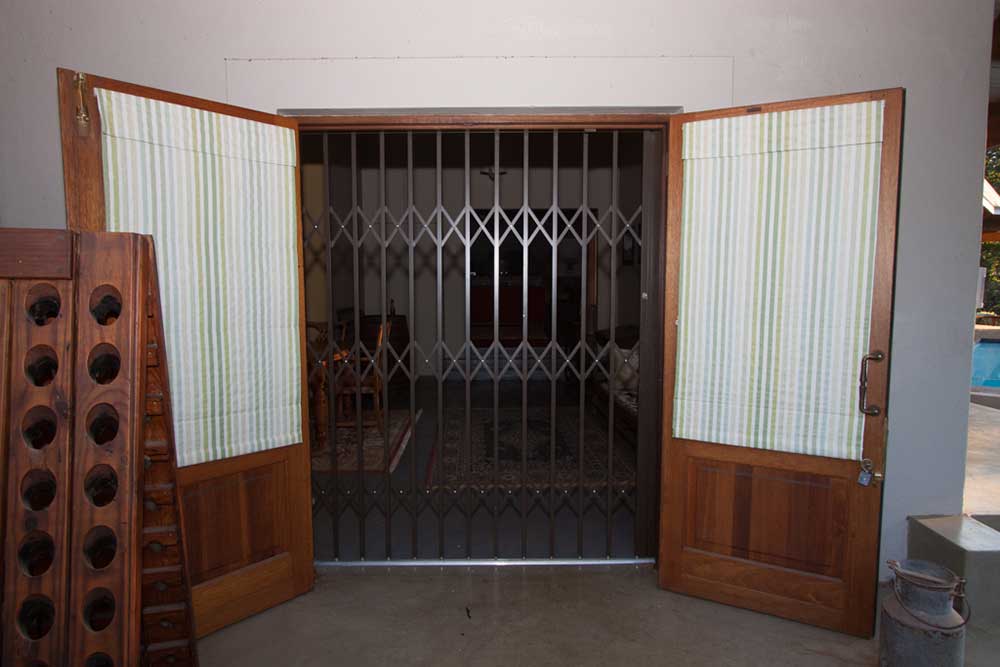
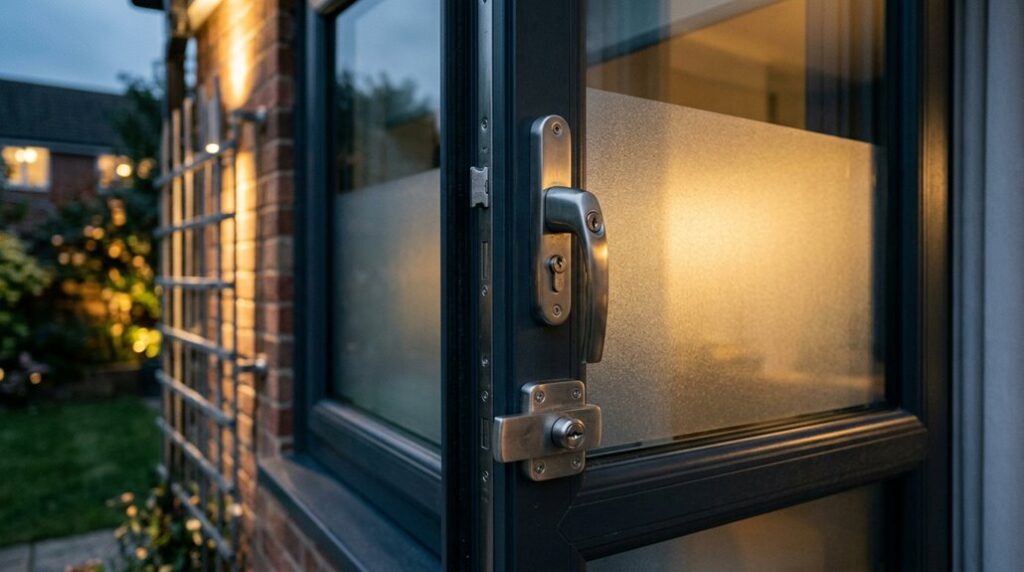
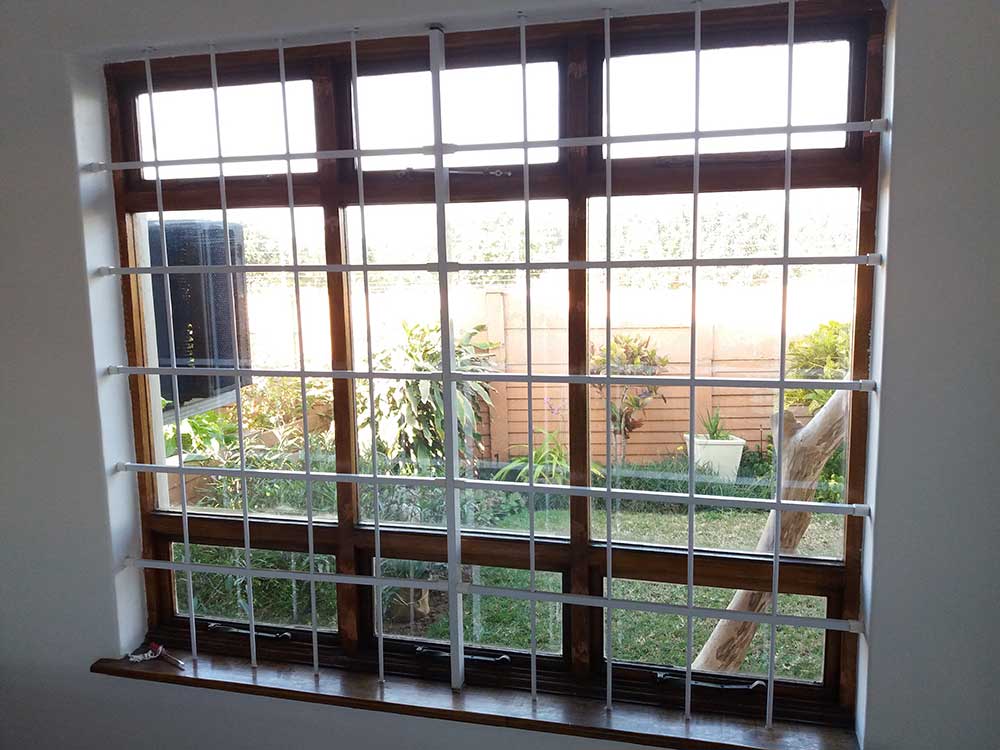

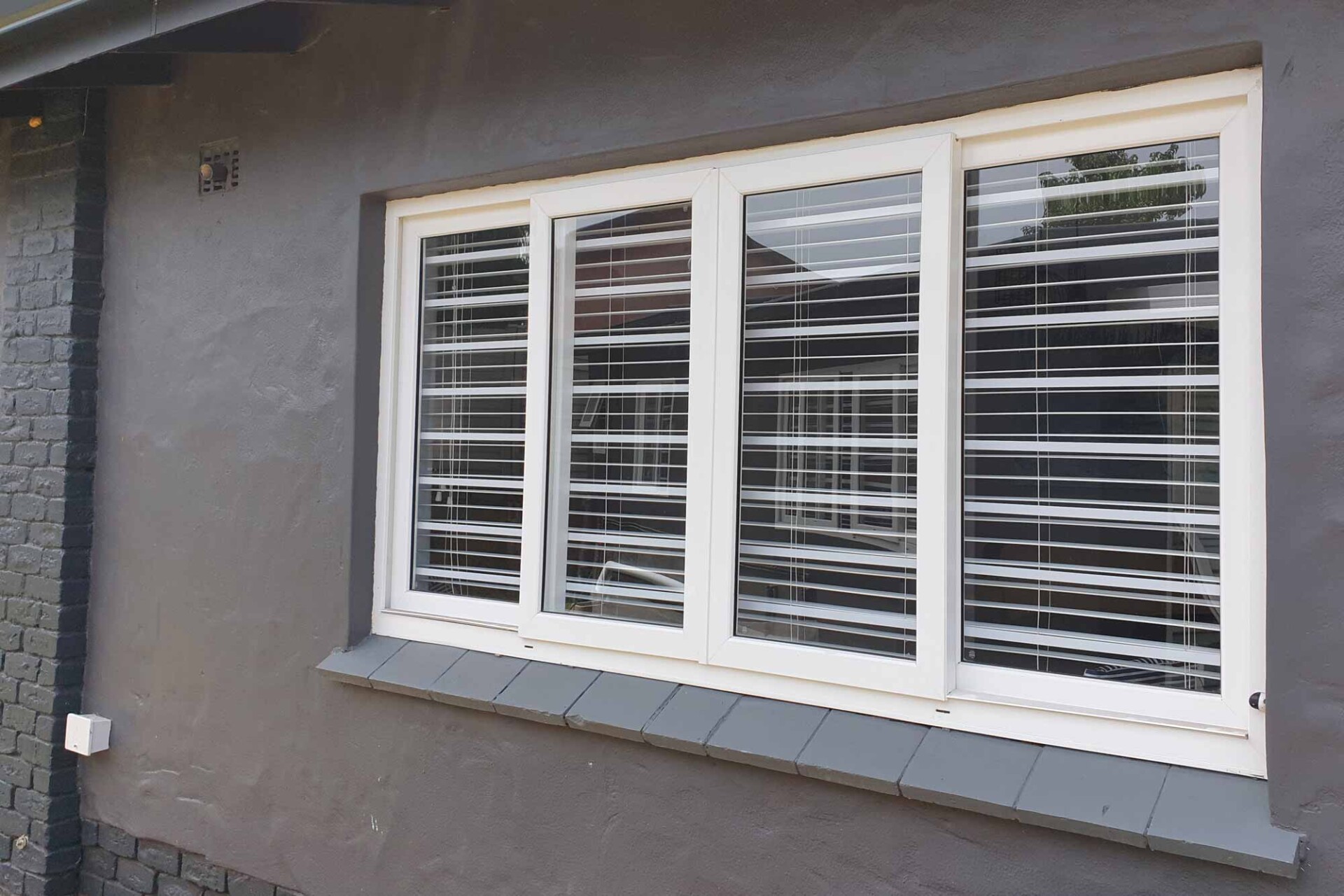
Polycarbonate burglar bars look tough — and lab tests agree. But real-world break-ins have exposed an uncomfortable truth: the bars aren’t always the problem. Installation shortcuts, temperature extremes, and mismatched material grades quietly compromise what you thought was solid protection. So before you trust your family’s safety to that glossy sales brochure, there’s something critical you need to know about what’s actually holding your bars in place.
Why Polycarbonate Beats Metal Bars in South Africa
When you’re assessing security options for your South African home or business, polycarbonate burglar bars offer impact resistance that actually surpasses traditional steel—a fact that surprises many property owners accustomed to metal grids.
Polycarbonate has tensile strength exceeding 3 tonnes, outperforming steel when it comes to impact resistance. Unlike metal that dents or glass that shatters, polycarbonate absorbs force and flexes back to its original shape without permanent deformation. Virgin polycarbonate produced to ISO9000 standards ensures consistent quality and superior long-term performance compared with inferior regrind alternatives.
Internal steel reinforcement and tensile cabling strengthen resistance against cutting and prying attacks.
You’ll also appreciate the aesthetic advantages. Clear polycarbonate bars are nearly invisible, preserving your home’s kerb appeal while providing genuine security. Products are custom-crafted to fit your windows perfectly, requiring no structural modifications during installation.
UV-resistant properties ensure the material won’t yellow over time. Steel alternatives simply can’t match this combination of strength, durability, and visual discretion that discerning Durban property owners demand.
Do laboratory tests predict real-world break-in protection?
Lab tests reveal crucial information about polycarbonate bar performance, but they don’t tell the full story of real-world break-in protection. Ballistic resistance standards measure bullet impact, not the slow-speed hammers and pry bars that burglars actually use. You need forced-entry testing instead, which specifically assesses resistance to handheld tools.
| Test Type | Focus Area | Real-World Relevance |
|---|---|---|
| Ballistic | High-speed projectiles | Limited for burglary scenarios |
| Forced entry | Hammers and tools | Direct break-in prediction |
| Impact defences | Slow, heavy impacts | Highly applicable |
Installation quality matters just as much. High-speed drilling can melt polycarbonate, compromising strength before testing even begins. You’ll achieve better results using low-speed drilling with high pressure. Polycarbonate’s extreme strength—used in jet aircraft cockpit glazing and bullet-resistant glass—delivers exceptional durability when installed properly. Correct gap spacing—up to 12 cm—prevents tool manipulation at locking points. Manufacturers that use SABS and UKAS approved components ensure that both the materials and their installation methods meet independently verified quality standards. Your polycarbonate bars’ real-world performance depends on both material quality and precise installation methodology.
What Thickness and Spacing Actually Work in Your Climate
Polycarbonate bar thickness and spacing work together to prevent break-ins, and your South African climate directly influences which specifications you’ll need. Temperature swings cause polycarbonate to expand and contract, widening gaps between bars if you don’t account for thermal movement.
Your fixing points determine everything. For points under 700mm apart, use 6mm polycarbonate bars with a maximum spacing of 120mm. Between 700mm and 1000mm, step up to 8mm bars with 100mm spacing. Beyond 1000mm, install 10mm bars with cross sections and 100mm gaps.
Thicker polycarbonate bars resist excessive flex, maintaining consistent spacing through seasonal changes. Thermal expansion requires drill holes 1mm larger than the fixtures to allow movement without stress. Installation hardware such as pop rivets and plastic washers must accommodate this thermal movement to prevent fixture failure and compromised security integrity.
This engineered approach delivers reliable protection year-round. For properties in KwaZulu-Natal where vervet monkey proofing requirements add additional load stress to bar systems, specifications should be reviewed against both security and wildlife pressure demands.
Installation Errors That Compromise Your Security
Most break-ins succeed not because polycarbonate bars lack strength, but because installers skip critical steps during setup. You’ll compromise your security if you space bars wider than 100–120 mm or anchor them at fewer than six points. Drilling holes too close to edges causes cracks under impact. Using aluminium pop rivets instead of stainless-steel fasteners invites corrosion and bar detachment within months. Untrained and uncertified installers are significantly more likely to make these costly errors during the fitting process.
Your burglar bars fail when you install them on window exteriors, allowing intruders to access locking mechanisms. Fitting bars less than 4 inches from glass enables reach-through attacks. Overtightening screws warps polycarbonate and creates failure points. Wonder Bars has completed over 4 000 bespoke security installations, providing the hands-on experience needed to avoid every one of these critical fitting mistakes.
Professional installation at Wonder Bars guarantees proper spacing, deep wall anchoring, and stainless-steel components. This attention to detail turns your bars from aesthetic additions into genuine security barriers protecting your family and property investment.
How Durban’s Heat Weakens Polycarbonate (What Lasts Longer)
Your polycarbonate burglar bars face real thermal stress in Durban’s climate, where sun-exposed surfaces reach 70–85°C despite ambient temperatures below 35°C.
You’ll get a markedly longer service life by selecting premium-grade materials with UV-resistant coatings, which retain 94% weatherability after 5,000 hours of elevated heat and humidity. Multiwall sheets improve insulation efficiency by ~40% over solid panels thanks to air gaps, reducing heat absorption and surface temperature spikes that accelerate degradation.
Standard polycarbonate loses 25% impact resistance over five years under sustained 90°C exposure, but dual-layer coated variants and flame-retardant additives preserve structural integrity and security performance where unprotected grades fail. When evaluating long-term performance, a free home security assessment can identify which grades and configurations are best suited to your property’s sun exposure and ventilation conditions.
UV Degradation and Heat Impact
When exposed to Durban’s intense coastal sun and humidity, uncoated polycarbonate undergoes rapid degradation through UV radiation and heat stress—two forces that work together to weaken the material markedly.
UV light initiates photo-oxidation, breaking polymer chains and causing yellowing within 1–2 years under moderate exposure. At the same time, temperature fluctuations create thermal stress that accelerates surface microcracking. Your impact strength diminishes as molecular weight decreases and the material becomes brittle. Prolonged heat above 60°C significantly accelerates yellowing, especially when combined with concurrent UV exposure in coastal environments.
Coastal salinity above 3.5% contributes to 73% of preventable failures. UV-stabilised, coated polycarbonate effectively resists these degradation mechanisms. Selecting bespoke security solutions tailored to your property’s specific exposure conditions ensures the material performs reliably rather than deteriorating prematurely under Durban’s coastal stressors.
Modern coatings extend service life from 2–5 years to 10–15 years, maintaining optical clarity and structural integrity. Wonder Bars uses premium UV-protective systems to ensure your security barriers remain both aesthetically pleasing and functionally reliable throughout their working life in Durban’s challenging climate.
Enhanced Grade Material Selection
Durban’s coastal heat—particularly temperature spikes exceeding 120°C in direct sunlight—accelerates polycarbonate degradation through thermal stress and hydrolysis, a chemical breakdown process that weakens molecular bonds.
Standard polycarbonate loses 40% of its tensile strength after just 100 hours above 135°C.
You’ll find upgraded-grade polycarbonate solutions designed specifically for KZN’s demanding climate.
Heat-resistant formulations support continuous operation up to 150°C, compared with standard grades limited to 125°C.
High-performance variants retain rigidity and toughness across extreme temperature ranges from -20°C to 140°C.
Dual-layer coated polycarbonate offers superior weatherability—retaining 94% performance after 5,000 hours in high-heat, high-humidity conditions. The gradual softening behaviour of polycarbonate at elevated temperatures means careful design is needed to prevent warping and dimensional changes in burglar bar installations.
For burglar bars KZN homeowners choose, these improved grades provide lasting security without premature material failure, ensuring your investment endures Durban’s harsh environmental conditions. Pairing enhanced-grade polycarbonate installations with bespoke security solutions tailored to your property’s specific exposure and architectural features further maximises long-term performance and protection.
DIY vs. Professional Installation: When to Call a Specialist
Installing polycarbonate burglar bars requires precision that separates amateur attempts from professional work. You’ll encounter critical technical demands that DIY installations frequently fail to meet.
The gap spacing between bars must be 12 cm or less—any measurement error invites burglary access. Your window frame needs at least 20 mm width to prevent cracks caused by improperly placed drill holes. Anchoring must be attached to the house structure (studs or masonry), not merely the frame itself.
Drilling polycarbonate requires low speed with high pressure; high-speed rotation melts the plastic and compromises impact resistance. Holes positioned too close to edges create weak spots that undermine the strength of your transparent security system. Ensure rounded routered edges are maintained throughout installation to prevent injury and material degradation at stress points.
Professional installation averages ZAR 7,500 per window but guarantees insurance compliance and structural integrity. Custom windows in particular require specialist fabrication. For broader property security, professionals can also assess your need for swing gate installation to secure additional access points beyond windows. You’ll protect your investment and security when specialists handle this work.
Think your windows are safe just because they are shut tight? Think again. Discover exactly how to fortify your glass with our guide to the ultimate window security solutions designed to keep uninvited guests firmly outside.