



Most homeowners assume that any licensed contractor can install burglar bars correctly. They’re wrong — and that assumption costs them twice: once in installation fees, and again when substandard anchoring fails during an actual break-in. The questions you ask before hiring an installer reveal everything about their competence, materials, and whether their work will actually keep you safe. One overlooked detail around emergency compliance alone could put your family at serious risk.
Red flags that reveal unqualified installers
When hiring a burglar bar installer, you’ll frequently encounter operators who lack the proper credentials and insurance coverage that protect both you and the work they’re carrying out. Unqualified bar installers often refuse to provide proof of general liability insurance or workers’ compensation coverage. They may dodge questions about building code compliance and certification status.
Red flags include installers who insist on cash-only payments, avoid written contracts, or pressure you into same-day decisions. Wonder Bars Durban and reputable burglar bar KZN providers maintain transparent practices. Verify that your bar installers hold valid licenses for your jurisdiction and can produce manufacturer authorisation documentation. Legitimate operators provide written quotations, clear scope-of-work statements, and customer references from completed projects. Reputable installers also back their work with a 5-year guarantee covering both workmanship and materials, giving homeowners long-term assurance beyond the installation date. Request photos of previous installations and contact details for past clients before committing to any agreement. Contractors who claim permits aren’t necessary or suggest the work can proceed without proper code compliance documentation are signalling inadequate qualifications and potential violations that could create liability issues down the line.
Does the installer offer an in-home inspection before quoting?
When you’re evaluating burglar bar installers, you should ask whether they’ll carry out an in-home inspection before providing a written quote—this is a critical question that separates qualified professionals from those cutting corners.
Industry best practice and organisations such as the National Burglar & Fire Alarm Association mandate pre-quote inspections because they guarantee accurate measurements, identify specific points of entry, and account for environmental factors like coastal exposure or sun damage that affect material selection.
If an installer quotes you over the phone or without visiting your home, that’s a red flag; you’re likely missing essential details about materials, labour, fixings, and warranty terms that could cost you thousands of Rands in corrections later. A qualified inspector will also verify storey height, access and complexity to determine labour requirements and confirm whether scaffolding or other safety equipment is needed for upper-level installations.
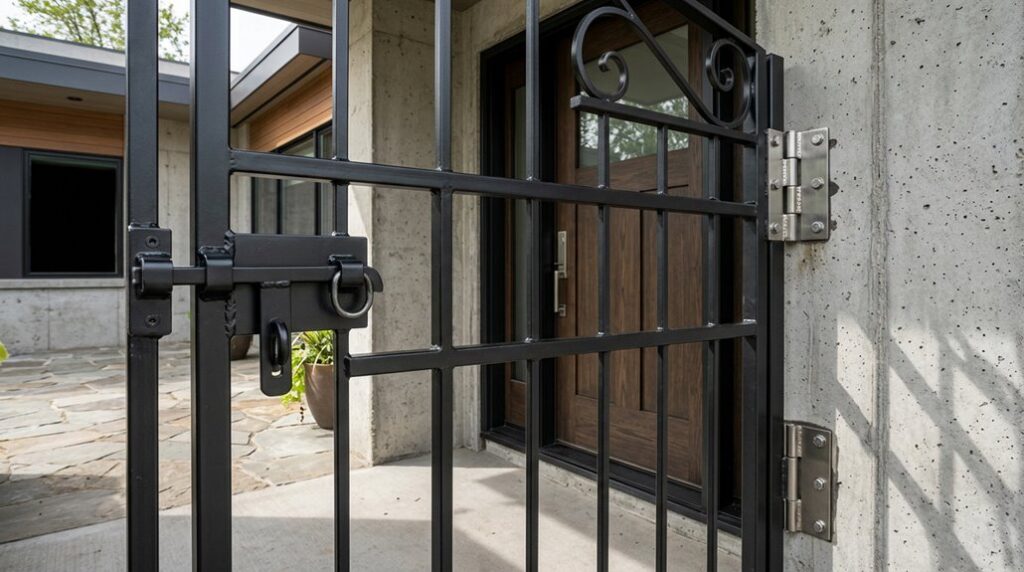
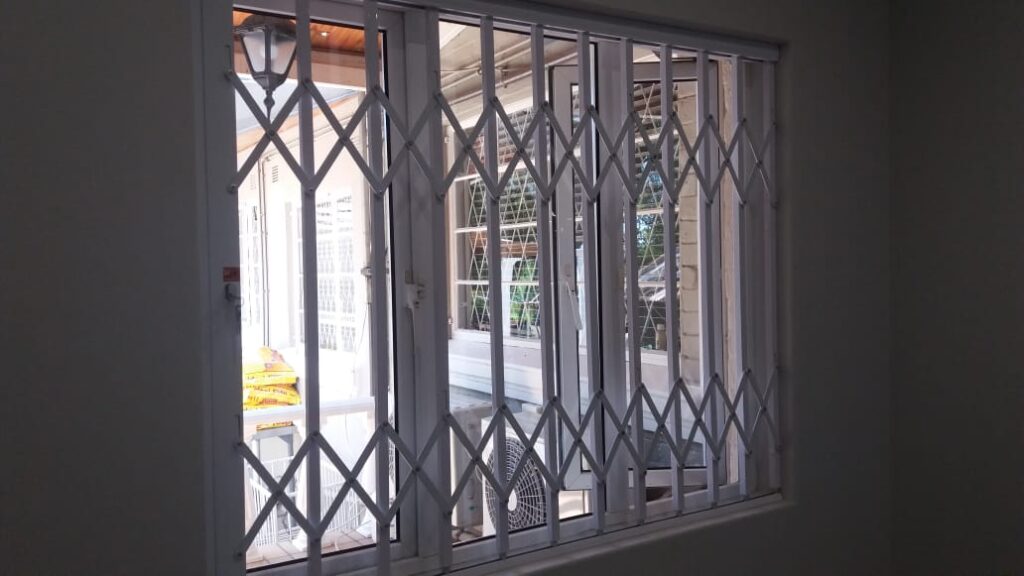
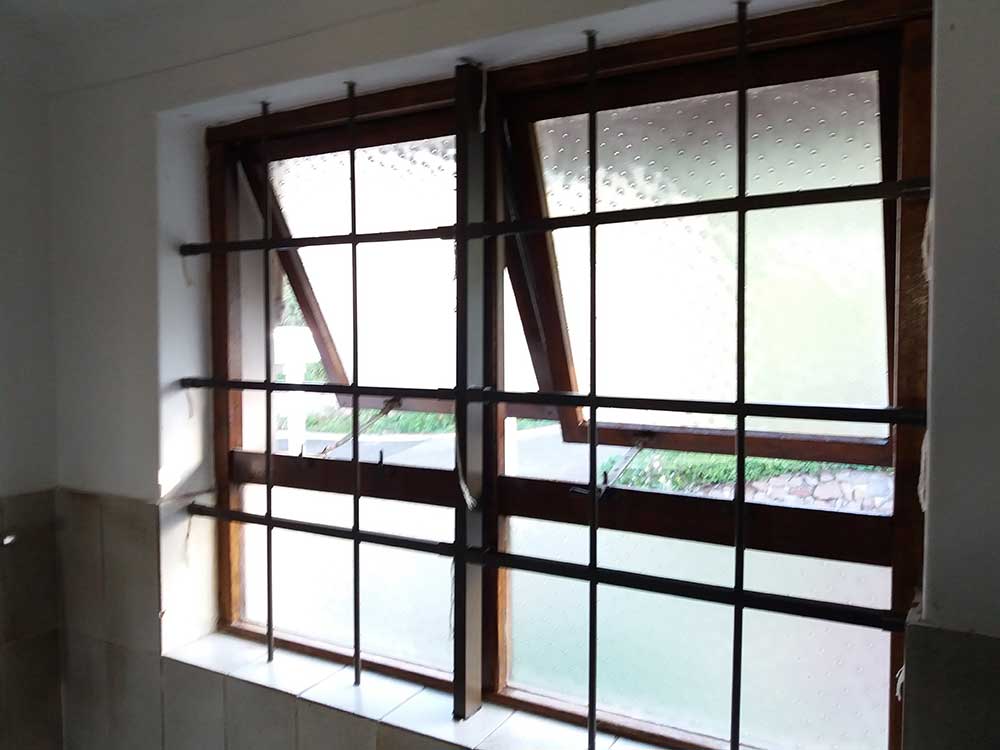
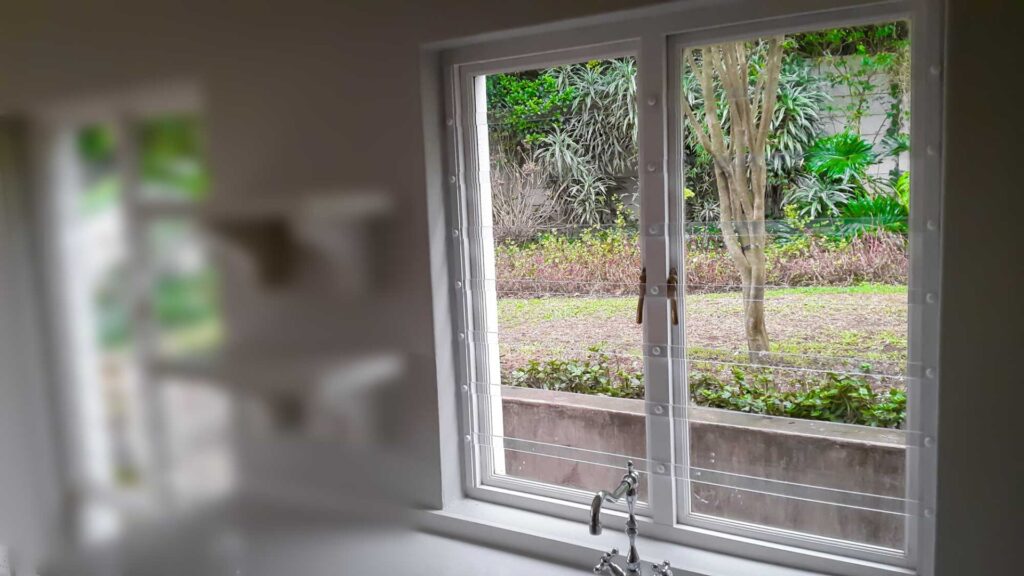
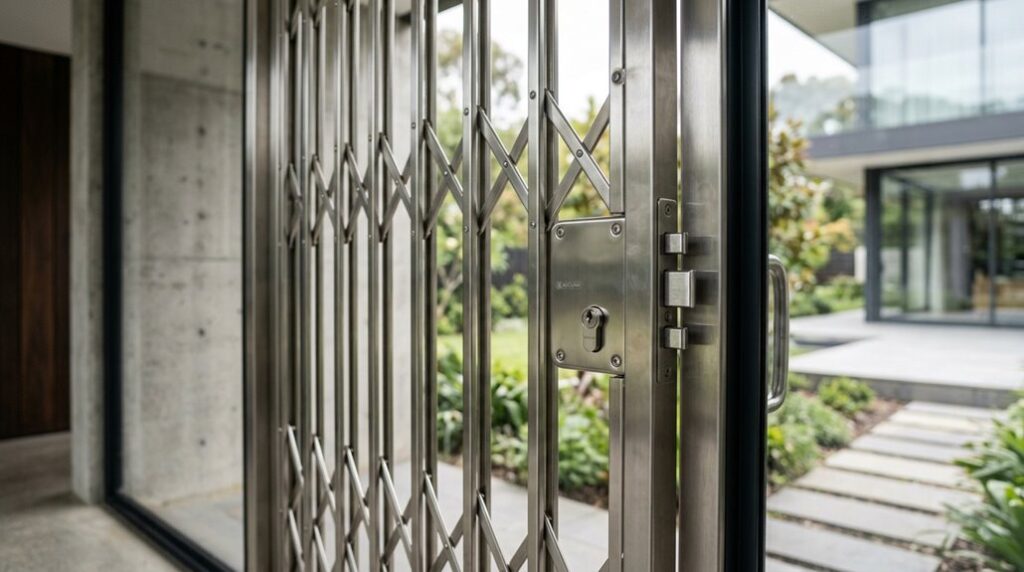
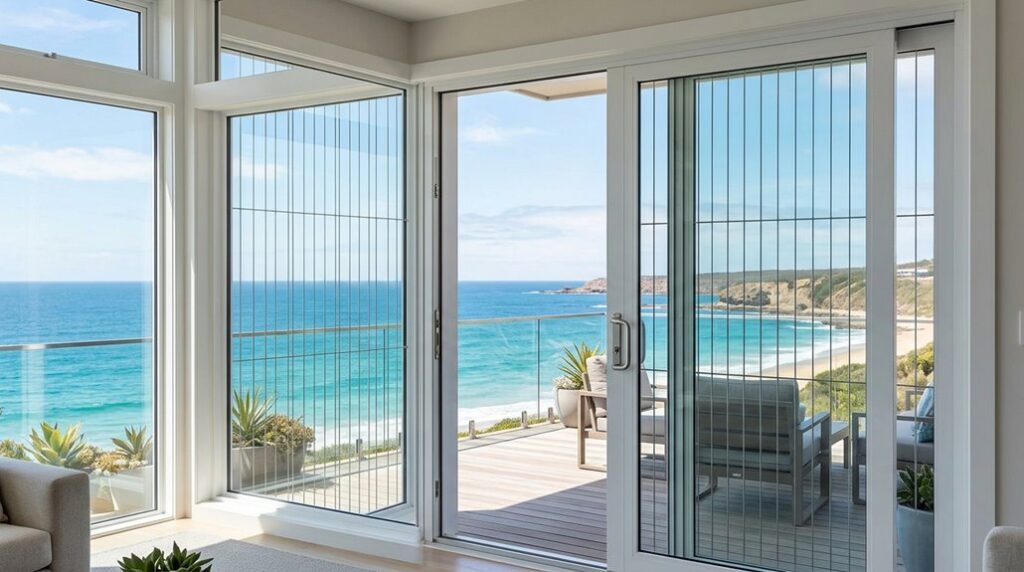
A thorough in-home consultation also allows the installer to recommend the right product type for your property, whether that’s traditional burglar bars, retractable trellis doors, or clear bars that complement your home’s architectural style.
Why On-Site Assessment Matters
A reputable burglar bar installer won’t quote you a price without first visiting your property and assessing your specific security needs. Site assessments uncover critical details that phone quotes simply can’t capture. The installer reviews window design, opening mechanisms, and any potential obstructions that affect where the bars can be fitted and how they function.
Precision measurements taken during an on-site visit ensure the bars fit perfectly, with no gaps or misalignment. The installer determines whether you need surface-mounted or inside-reveal installation, based on your building. They’ll also check that your emergency escape windows meet regulatory requirements. All approved release mechanisms must be operable from inside without needing a key or specialist knowledge, to ensure safe egress during emergencies.
Windows in sleeping rooms must have a minimum clear openable area of 5 square feet (or 5.7 square feet on floors above the first floor), with finished heights not exceeding 44 inches. A detailed consultation also allows the installer to assess whether bespoke custom designs are required to preserve your home’s architectural character while still meeting security goals.
This thorough approach ensures you receive an accurate quote and a tailored solution matched to your property’s unique characteristics.
Red Flags in the Quotation Process
Before you sign a contract or hand over payment, you should verify that your installer performs a thorough in-home inspection before providing a quote.
Red flags appear when installers bypass this critical step entirely.
Watch for these warning signs during the quotation process:
- The installer provides pricing by phone or email without visiting your property
- The quote omits specific measurements, window dimensions, or assessments of wall types
- Pricing relies on generic averages rather than your home’s actual conditions
Reputable burglar bar installers should always include site verification in their process.
A legitimate professional visits your home to evaluate security needs and existing design. During this visit, they should measure your window frame dimensions and assess the structural conditions of your walls to ensure the bars are installed properly.
Without this assessment, you’re receiving a generic estimate rather than a tailored solution for your home security needs in South Africa. A trustworthy installer will also discuss bespoke door security solutions that complement your home’s existing appearance and structural layout.
This fundamental step separates quality installers from those cutting corners.
How They Handle Missing Studs
Professional burglar bar installers don’t let missing studs compromise your security installation. Ask questions to understand their alternative fixing strategies. Reliable installers mount directly into studs whenever possible, as this provides maximum pull-out resistance. When studs aren’t available, they use heavy-duty toggle anchors specifically designed for hollow walls. These anchors grip the drywall from behind and distribute weight effectively.
Top installers also consider horizontal noggins or backer boards between studs. This creates a solid fixing surface that’s superior to anchors alone. They may suggest relocating mounting points to align with studs at 16 or 24-inch intervals. Professional installers can also use molly bolts or snap toggle anchors as alternative fastening solutions when standard anchors aren’t sufficient.
Ask your installer how they’ll verify stud locations using stud finders and manual tapping techniques. Request details on their weight distribution methods and anchor load limits. Quality installers prioritise your security with strategic solutions tailored to your wall type. Beyond installation technique, reputable installers also provide post-installation maintenance guidance to ensure your security fixtures continue performing at their best over time.
Six Anchoring Standards That Matter Most
When you’re assessing burglar bar installations, the anchoring standards your installer follows will determine whether your security investment genuinely protects your home.
Professional installers anchor burglar bars at a minimum of six points across the frame. Upgraded installations use eight anchoring points for improved stability. You should check that your installer spaces these anchors evenly, positioning them near corners and at midpoints to maximise structural rigidity.
Here’s what matters most:
- Anchor bolts penetrate 3–4 inches deep into solid wall material, not surface framing
- Anchoring points balance the load distribution across the entire bar frame
- Even spacing prevents clustering, which reduces resistance to forced removal
- One-way, anti-tamper screws and the correct wall plugs lower the risk of attacks on the fixings
Ask your installer to explain their anchoring strategy. You deserve an installation that meets local building regulations and provides years of reliable protection for your family. A free on-site assessment can help identify your property’s specific structural requirements before any anchoring work begins.
Does the plan include a real emergency exit?
A solid anchoring strategy keeps intruders out, but your burglar bars must also let you out in an emergency. Your installer should design escape routes that meet legal requirements, not compromise them.
Emergency exit windows require specific dimensions. Grade-level windows require a minimum net clear openable area of 5 square feet, while upper-floor windows require 5.7 square feet. The opening height must be at least 24 inches, with a width of 20 inches minimum. The finished window height should not exceed 44 inches above the floor.
Your bars must include quick-release mechanisms that are accessible from inside without keys, tools, or special knowledge. A simple twist, turn, push, or pull should activate the release. This mechanism must remain inaccessible from outside, even if glass breaks. These means of egress requirements ensure that all occupants can safely evacuate regardless of occupancy load or building configuration.
Ask your installer to confirm compliance with these standards before installation begins. Reputable providers will also offer post-installation guidance on maintaining release mechanisms so they continue to function reliably over time.
Interior vs. Exterior: Why Inside Wins in KZN
Most security experts recommend installing burglar bars on the inside of your windows rather than the outside, and this approach offers significant advantages for KZN homeowners.
Interior installation anchors the bars directly into your home’s structural frame, creating superior tamper resistance. Burglars can’t access locking mechanisms or use external tools to manipulate the fixings from the street side. This placement protects your property while maintaining natural light and street visibility. Consultation with a reputable security professional is essential before installation to ensure your specific needs are addressed.
Key advantages of interior placement:
- Prevents the ladder effect that exterior bars can create, which can help intruders reach higher windows
- Avoids weather degradation and corrosion common in coastal KZN regions
- Maintains your home’s aesthetic appeal and property value
Interior bars also comply more easily with fire escape regulations. You’ll achieve strong physical security without the institutional appearance of external installations. Wonder Bars specialises in custom interior solutions that blend seamlessly with your existing design. Their bespoke systems are manufactured using high-quality transparent materials that preserve your natural light and views while delivering robust, long-term protection.
Locking Mechanisms That Prevent External Tampering
Interior burglar bars protect your home only if their locking mechanisms resist external tampering. You’ll want installers who specify tamper-proof fastening systems, including security screws and head-cap screws that require specialised tools for removal. Key-operated exterior locks provide another layer of protection—the exterior cylinder secures the lever while your interior push bar remains functional for emergencies.
Quick-release emergency devices are essential for bedroom windows. These mechanisms operate from inside without requiring keys or special knowledge, allowing immediate escape during fires or emergencies while maintaining security from outside.
Certified hardware meeting UL standards guarantees rigorous testing against forced entry. Access control integration—managed through computer interfaces or timers—prevents manual tampering entirely. When interviewing installers, ask specifically about these anti-tampering features and their certifications. Your security depends on mechanisms designed to resist external manipulation completely. Reputable installers, such as those offering retractable trellis doors and burglar bars, will also provide transparent material options—including steel and polycarbonate—so you can match your locking mechanism choice to the right barrier system.
Burglar Bar Material Grades and Long-Term Durability
When you’re selecting burglar bar installers, you’ll want to ask detailed questions about the steel diameter and structural integrity they’re proposing, since bars must meet at least 14-gauge specifications with flat bar thickness ranging from 5mm to 8mm for proper protection.
You should also inquire about environmental exposure and finish options available in your climate zone—whether that’s powder-coating for durability, stainless steel (316 grade) for coastal properties, or aluminium for high-humidity areas that resist rust without regular maintenance.
Finally, request a long-term replacement cost comparison so you can grasp whether the initial investment in premium materials like marine-grade stainless steel or wrought iron will save you money over 15–50 years versus cheaper alternatives that may require frequent repairs.
Steel Diameter And Structural Integrity
The structural performance of your burglar bars depends directly on the steel diameter, grade, and welding quality you select. You’ll find that proper specifications create security systems built to last decades without compromise.
Consider these essential diameter and thickness standards:
- Minimum mild steel bar diameter of 20mm guarantees structural strength and resistance to forced entry
- Square cross-section profiles deliver greater strength than round sections of identical diameter
- Flat mild steel cross ties require minimum 50mm x 10mm sizing to maintain grid integrity
You should grasp that increased metal thickness directly correlates with superior security levels. All intersection points between cross ties and vertical bars must be securely welded to prevent separation. This welding quality guarantees your system maintains complete structural continuity under pressure.
Environmental Exposure and Finish Options
Your burglar bar installation’s long-term performance depends directly on material selection and the environmental conditions around your home. Coastal and humid climates require specific material choices to prevent deterioration.
Material Selection for Your Environment:
In humid areas near Durban’s coast, aluminium and stainless steel (316 grade) resist corrosion effectively. Standard carbon steel needs proper finishing treatment to prevent rust in moisture-rich conditions. Stainless steel offers exceptional strength and superior corrosion resistance, making it the gold-standard choice.
Finish Performance Matters:
Powder-coated steel bars can last 15–20 years before maintenance becomes necessary. Painted alternatives degrade faster under environmental stress.
Composite materials maintain structural integrity for 25+ years with zero maintenance across varying conditions.
Aesthetic Integration:
You can match the bars to your window frames for a seamless designer look. Wrought iron suits historic properties, while sleek designs complement modern homes.
Long-Term Replacement Cost Comparison
Installing burglar bars is a significant investment, so understanding how different materials perform over time—and what they’ll cost you in the long run—matters greatly. You’ll find that the choice of material directly affects your total ownership costs over decades, not just the initial purchase price.
Consider these long-term cost factors:
- Wrought iron bars last 50+ years with minimal maintenance, offering exceptional value despite higher upfront costs in ZAR
- Powder-coated steel bars outperform painted alternatives, lasting 15–20 years before requiring maintenance interventions
- Marine-grade stainless steel (316) comes with a 30–40% price premium, but helps avoid premature replacement costs in coastal areas
Low-quality materials create false economy. Cheap bars rust, break easily, and require early replacement, ultimately costing you substantially more. Quality installation, combined with the right material selection, ensures your security investment protects your home reliably for decades.
Custom bars vs. off-the-shelf: which justifies the cost?
When you’re deciding between custom security bars and off-the-shelf options, cost shouldn’t be your only consideration—functionality and long-term value matter equally. Custom bars justify their investment when off-the-shelf components genuinely can’t meet your specific requirements. You’ll find custom fabrication ranges from R75,000 to R225,000, while prefab options cost R15,000 to R180,000.
The real question is this: does the custom solution deliver genuine customer-specific value? If standard bars fit your windows and meet your security needs, off-the-shelf makes financial sense. However, if your home requires unique dimensions, special materials, or design integration, custom work becomes worthwhile. Consider the total cost of ownership—including maintenance, installation, and longevity—not just the upfront price. Wonder Bars specialises in security that prioritises aesthetics, justifying a custom investment through seamless design blending and superior durability.
Final questions to ask before signing a contract
Before you sign a contract with a burglar bar installer, you’ll want to confirm two critical details: the warranty coverage on both materials and workmanship, and the exact installation timeline with completion dates.
Ask your installer whether the warranty covers manufacturing defects, physical damage, or both, and how long protection lasts (typically one to five years).
You should also request a written schedule showing when work begins, how many days installation will take, and what happens if the project runs over the agreed timeframe.
Warranty and Coverage Details
As you prepare to finalise your burglar bar installation, understanding the warranty terms becomes one of your most critical contractual safeguards. You’ll want clarity on what your installer covers and for how long.
Ask these essential questions:
- What is the warranty period, and when does it start? Most manufacturers offer ten-year warranties from your date of purchase, covering manufacturing defects and UV discolouration for polycarbonate bars.
- Does installation compliance affect my coverage? Yes. Warranty validity requires strict adherence to the manufacturer’s guidelines, including tamper-resistant screws and proper masonry anchoring.
- What environmental damage is covered? Corrosion protection applies to metal components under normal conditions, though extreme weather or chemical exposure typically isn’t included.
Understanding these details protects your investment and ensures your security bars perform as intended.
Installation timeline and completion
You’ve confirmed your warranty coverage and understood what protection comes with your investment. Now clarify the installation timeline before signing any contract. Ask your installer for a detailed completion schedule, including start and finish dates. Request specifics about potential delays from weather conditions or material availability.
| Installation Type | Typical Duration | Complexity Level | Additional Factors |
|---|---|---|---|
| Standard Fixed Bars | 1–3 hours | Low | Wooden frames |
| Masonry Installation | 4–6 hours | High | Cooling breaks required |
| Custom Mechanisms | 5–8 hours | High | Alignment testing |
| Pre-Install Coordination | Variable | Medium | Scheduling trades |
Understand whether your project requires pre-drilling, material-specific techniques, or coordination with other contractors. Confirm the installer will verify alignment, test window operation, and complete final checks before departure. Get written confirmation of the exact completion date and any contingency plans.