






Most homeowners assume standard bars are enough. They’re not. In South Africa, where break-ins target the predictable gaps in conventional window security, cottage pane guards deliver something ordinary bars physically cannot — a cruciform aluminium grid anchored directly into your walls, designed to absorb and redistribute force rather than simply resist it. The difference between these two approaches isn’t marginal. It could determine whether your home holds or gives way when it matters most.
What Are Cottage Pane Guards and Why South Africa Needs Them?
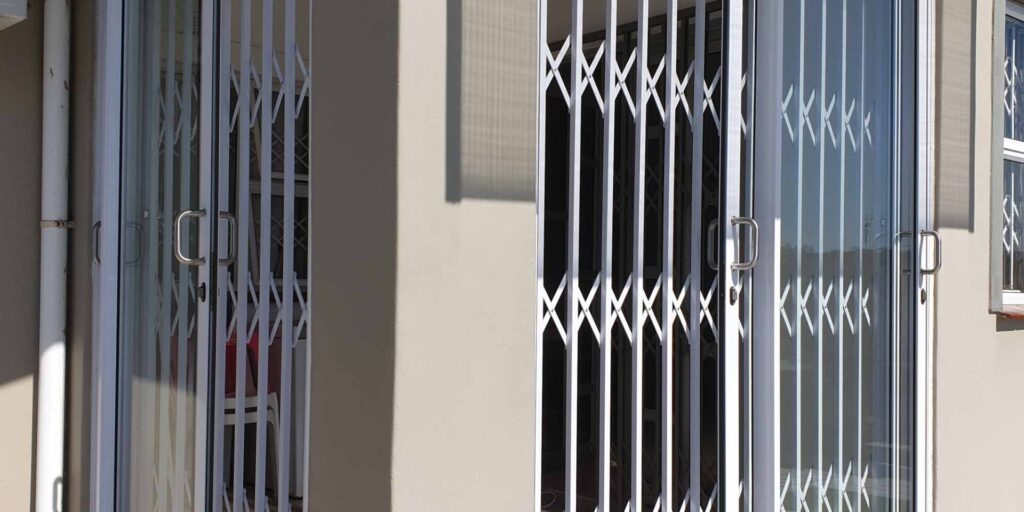
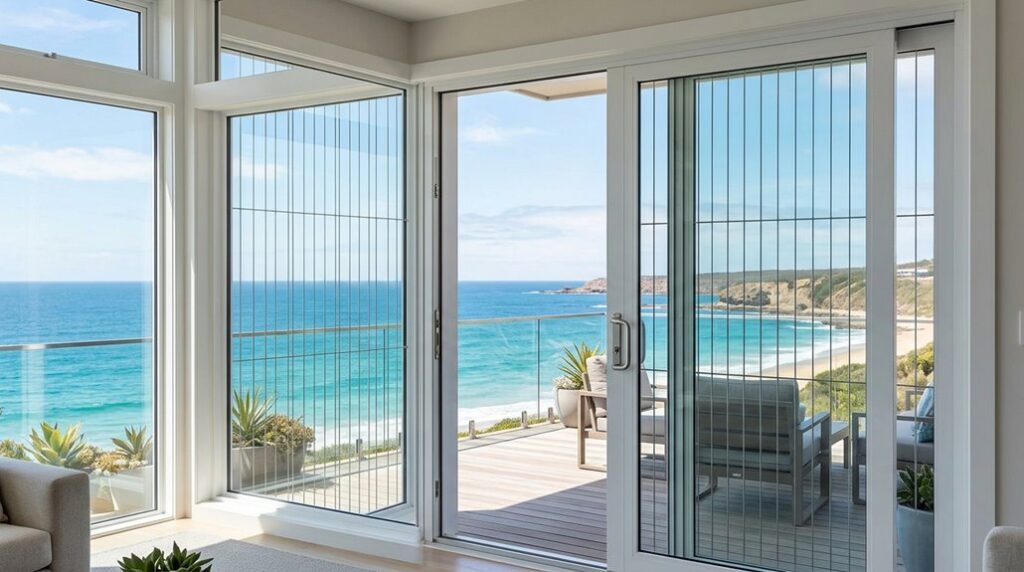
When you’re looking for window security that doesn’t compromise your home’s character, Cottage Pane Guards deliver both protection and visual appeal. These burglar-proofing systems match cottage pane windows with a classic grid pattern, recreating the traditional look found in historic farmhouses and heritage homes.
Cottage pane bars feature square aluminium tubing reinforced with a steel core, engineered for exceptional strength. The cruciform design helps prevent bars from snapping or buckling under attack. Custom manufacturing ensures a precise fit to your window dimensions, maximising security effectiveness. Fixed into wall substrate rather than simply the window frame, these units offer superior holding strength during an attempted break-in.
South Africa’s high-crime environment demands reliable protection. These guards provide built-in strength designed specifically for risk locations while maintaining aesthetic appeal. Improved corrosion and UV resistance makes them suitable for both coastal and inland conditions across the country. You gain solid protection without the obtrusive prison-style appearance of conventional burglar bars. For homeowners who want tailored solutions from start to finish, the process begins with a free, no-obligation consultation to assess your specific needs and window dimensions.
Cottage Pane Guards vs. Standard Burglar Bars: Security Strength Compared
Now that you’ve grasped how Cottage Pane Guards work, you’ll want to know how they compare with standard burglar bars on the market.
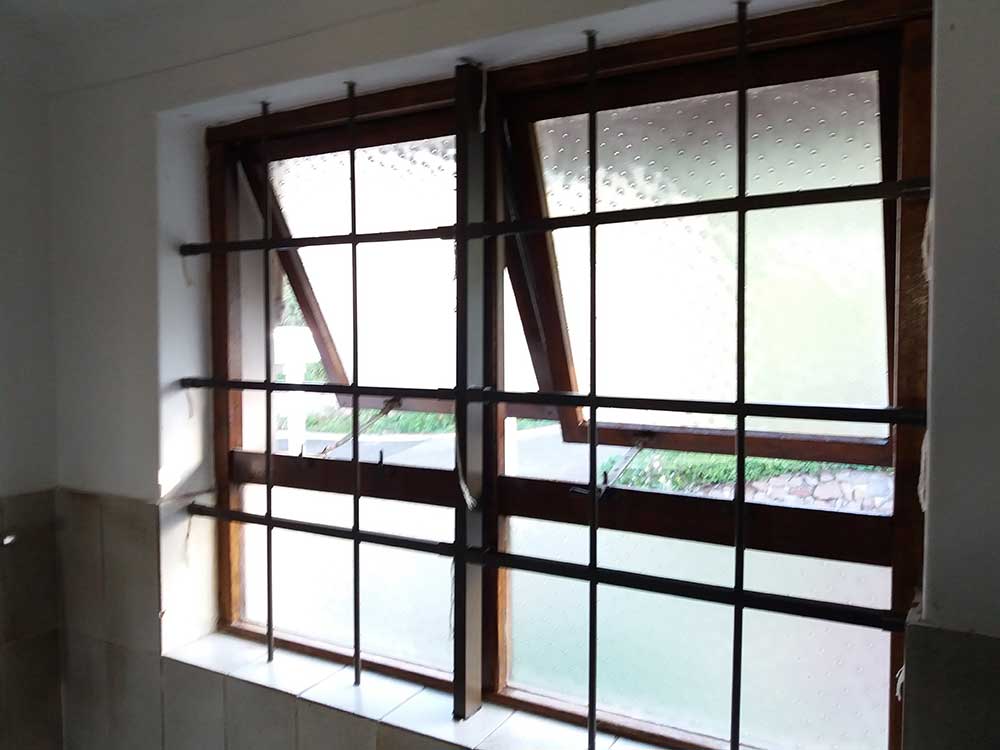
A traditional cottage design uses square aluminium tubing with full four-sided framing, while standard bars typically use semi-framed steel oval tubing on only two sides. This structural difference matters considerably for security.
Cottage guards embed bars 50mm into the walls using epoxy anchoring, removing the leverage points criminals exploit. Standard installations often attach only to the window frame, creating weak points for removal.
Cottage guards embed bars 50mm into walls with epoxy anchoring, removing the leverage points criminals typically exploit at weak frame attachment points.
The crossing grid pattern in Cottage designs resists cutting attempts better than single-layer trellis patterns. Both designs undergo an anti-corrosion treatment to improve durability against environmental exposure.
You’ll also appreciate that aluminium construction withstands weather without rust concerns, while steel requires frequent maintenance. The fully framed structure delivers superior resistance to forced entry compared with semi-framed alternatives available today.
Wonder Bars brings over 4 000 installations of experience to every cottage pane project, ensuring each unit is fitted to the highest standard of structural integrity and finish.
Assessing Your Home: When Custom Fabrication Is Worth the Cost
Whether your home features irregular window openings, unique design elements, or standard-sized frames, the decision to invest in custom Cottage Pane Guards depends on several practical factors specific to your property.
Assess your windows first. Irregular openings in older homes require precise measurements for a custom fit, making custom cottage bars the practical choice. Standard-sized openings, however, allow for affordable mass-produced options that deliver solid security without the added costs of custom fabrication.
Next, evaluate accessibility. Windows that are easily accessible to criminals require the strongest security barriers regardless of cost. Less accessible windows can use less expensive measures. Just as security service protection blocks unauthorised access to websites, properly installed barriers can prevent attempts at criminal entry.
Consider long-term value. Custom units provide better energy efficiency through a precise fit and reduce draughts and air leakage. While they may cost more upfront, they typically mean fewer repairs, lower maintenance, and higher property resale value. Reputable providers back their products with a 5-year guarantee covering both workmanship and materials, giving you added peace of mind in your investment.
Speak to security experts to compare fixed and retractable barriers. Request several quotes across different security types so you can make an informed cost comparison that aligns with your budget.
Coastal Corrosion: Choosing Guards for Beachfront Properties
If you’re installing security guards on a beachfront property, you’ll face accelerated corrosion from salt air, which requires material selection tailored specifically to coastal environments. Your choice between stainless steel Type 316L, marine-grade aluminium alloys 5052 and 5083, or uPVC will determine how often you’ll need maintenance and how long your guards will retain both their aesthetic appeal and their protective function.
Understanding the relationship between your distance from the ocean, salt spray intensity, and the durability requirements of your guards will ensure you invest in bespoke fabrication that protects your home without constant repair. Chloride ions from salt spray and high humidity accelerate metal breakdown, so regular fresh water rinsing is essential to remove salt deposits and extend the lifespan of components. Working with a security provider that uses SABS and UKAS approved components ensures your coastal guards meet rigorous quality standards designed to withstand demanding environmental conditions.
Salt Air Corrosion Risks
Coastal properties in South Africa face unique corrosion challenges from salt-laden air, and your choice of security guard materials directly impacts both longevity and maintenance costs. Stainless steel type 316 resists chloride corrosion through its molybdenum content, making it ideal for beachfront pane guards. Type 304 stainless steel suits zones 1–3 miles inland. Salt crystallises on exposed surfaces, accelerating deterioration without proper material selection. Your guards require marine-grade fasteners exclusively to prevent rapid failure.
Hot-dipped zinc-coated steel with a minimum 2 oz zinc coating works only 3+ miles inland. Epoxy and polyurethane coil coatings create essential barriers against moisture ingress. Weekly rinsing for beachfront properties removes accumulated salt before damage occurs. Tiny salt particles carried by the sea breeze adhere to exterior surfaces and retain moisture, intensifying corrosion without consistent maintenance. Professional quarterly exterior washing prevents hidden corrosion in crevices and joints. Selecting guards with robust locking mechanisms and high-quality finishes ensures both structural integrity and long-lasting resistance to the harshest coastal conditions.
Maintenance Schedules By Distance
Your maintenance schedule depends entirely on your property’s distance from the ocean, since salt-laden air increases the risk of corrosion as you move closer to the shoreline.
Properties within 500 metres of the beachfront require weekly cleaning to prevent salt damage to your classic window security. Between 500 metres and 5 kilometres from the coast, you’ll need cleaning every two to four weeks. Monthly inspections are mandatory for homes within 164 feet to 1.2 miles of the shoreline to check for rust and cracks.
Professional pressure washing should be carried out twice a year to remove destructive salt and mould elements. Moving parts require lubrication every few months using silicone-based lubricants to ensure smooth operation. Carry out inspections right after cleaning to spot any leftover debris and wear before it causes structural damage. Annual professional inspections are critical, especially before hurricane season, to catch hidden issues early and maintain the integrity of your investment.
Choosing fixtures made from high-strength materials ensures your coastal property benefits from both weather resistance and long-term structural integrity against the harshest salt-air environments.
Material Durability Near Water
Protecting window guards in beachfront properties demands choosing the right materials from the outset, as salt-laden air accelerates metal deterioration far more aggressively than in inland environments. You’ll find marine-grade stainless steel Type 316 offers superior resistance to chlorides compared with standard Type 304. For extreme coastal conditions, duplex stainless steel 2205 provides exceptional resistance to pitting.
Your heritage window security investment also requires an appropriate coating system. Hot-dipped zinc-coated steel combined with specialist marine paints significantly extends structural service life. For aluminium components, electrical isolation from adjacent materials is essential, using non-conductive gaskets to prevent galvanic corrosion. Regular washing to remove salt deposits (see: remove salt deposits) can considerably extend the lifespan of your guards and helps prevent premature failure.
Key design considerations include avoiding water-trapping crevices and ensuring proper drainage. Metal corrosion intensifies within 3,000 feet of ocean exposure, particularly in splash zones that experience frequent wetting and drying cycles. Weekly removal of salt deposits helps prevent accelerated deterioration, protecting your custom guards effectively. Partnering with specialists who provide bespoke security solutions ensures your coastal property receives guards engineered precisely for its unique environmental challenges.
Installation Requirements That Prevent Gaps and Forced Entry
You’ll need to align your window frame properly, secure the mounting hardware with precision, and eliminate installation vulnerability points that could compromise your security.
Proper frame alignment ensures that the vertical end channels sit level with your sill, while correct hardware placement—using the manufacturer’s 1.5-inch one-way screws through pre-drilled 1/8-inch holes—prevents gaps that intruders could exploit. For tailored guidance on securing your specific window type, consulting security solutions specialists in your area can help identify vulnerabilities unique to your property.
These three installation elements work together to reject forced entry and maintain the structural integrity your Cottage Pane guard requires. All guards must be approved by the NYC Health Department and installed according to the specific instructions to ensure proper safety compliance.
Proper Frame Alignment Techniques
When a window frame sits unevenly in its opening, even the most beautifully designed security bars can’t perform at their best—gaps develop, alignment fails, and forced entry becomes possible. You’ll achieve traditional safety by mastering proper frame alignment techniques that eliminate these vulnerabilities.
| Alignment Step | Action | Result |
|---|---|---|
| Diagnostic Assessment | Measure width at top, middle, bottom | Detect out-of-square framing |
| Shim Placement | Insert shims progressively until measurements equal | Frame becomes parallel |
| Gap Sealing | Fill gaps with window-grade foam | Weather and security barriers strengthen |
Start by measuring your window width at three points. Insert shims between the frame and the rough opening, working from the sides upwards. Nail everything once it’s parallel. Fill any remaining gaps with spray foam, trim off excess material, and test the operation multiple times. You’re creating a secure, properly aligned installation that protects your home effectively. For properties in wildlife-prone areas, properly aligned frames also support transparent barrier options that deter vervet monkeys without compromising natural light or views.
Securing mounting hardware correctly
Correct mounting hardware installation forms the foundation of a security guard system that truly performs under stress. You’ll secure your cottage pane guard by using only the three manufacturer-provided screws on the hinge-side standoff tube, ensuring proper load distribution.
Install one-way screws on the opposite standoff tube to prevent external removal after installation. Pre-drill the marked areas with a 1/4-inch drill bit before inserting these screws, then drive them in one at a time using the specific driver tool. You’ll avoid overtightening, which prevents damage to your mounting surface.
Anchor the mounting screws directly into wall studs rather than window frames alone. This critical step prevents pull-out under forced entry—essential for burglar bars KZN installations. Confirm your mounting surface depth measures at least 1-inch to support brackets securely.
Eliminating Installation Vulnerability Points
A properly installed cottage pane guard eliminates small gaps and sealing failures that intruders exploit to pry open windows or force entry points. You’ll achieve this by ensuring your grid pattern bars sit flush against the window frame, closing any voids where leverage tools might gain purchase.
Install weather-stripping foam behind each sash to seal air gaps completely. Wedge wooden dowels or metal jambers tightly into lower tracks, preventing slider movement. Add anti-lift blocks to upper tracks on casement units, stopping vertical forced entry attempts.
Position contact sensors on frames to detect separation before locks breach. Mount keyed locks rated for your specific frame type, maintaining continuous sash-to-track contact. These measures create a unified defensive perimeter that dramatically increases entry resistance while preserving your cottage’s design character.
Maintenance Schedules Based on Distance From the Beach
Your coastal property’s distance from the ocean directly determines how often you’ll need to maintain your Cottage Pane bars and security fittings. Wonder Bars Durban recommends tailored schedules that protect your investment while preserving architectural beauty.
- Within 500m of the beachfront: Clean burglar bars and fittings every week to combat salt-spray exposure.
- Between 500m and 5km from the coast: Clean every 2–4 weeks, with quarterly fastener inspections for corrosion.
- More than 5km inland: Clean at least every 2–3 months, reducing to every 6 months once you’re more than 10km away.
Apply marine-grade sealants every 3–5 years and carry out professional inspections annually in high-exposure areas.
These maintenance intervals ensure your Cottage Pane bars remain structurally sound and visually attractive. Regular care helps prevent costly replacements and keeps your home secure.
DIY vs. Professional Installation: Which Fits Your Home?
When you’re considering Cottage Pane guards for your Durban home, the choice of installation—DIY versus professional installation—significantly affects both your immediate costs and your long-term security investment.
DIY installation costs between R8,000–R10,500 for materials for a 200-foot home, plus equipment rental fees of R2,900–R6,100.
DIY Cottage Pane guard installation costs R8,000–R10,500 for materials, plus R2,900–R6,100 in equipment rental for a 200-foot home.
Professional installation averages R27,000–R54,000 in total, covering materials, labour, and lifetime transferable warranties.
However, DIY carries real risks. Incorrect screw placement voids window warranties entirely.
Professional installers preserve manufacturer coverage by using stainless steel fasteners and pre-positioned pilot holes, completing projects in 4–6 hours instead of 12–16 hours.
For home security South Africa standards, professionals guarantee compliance with building codes.
They choose ideal materials based on environmental conditions.
Choose professional installation for double-pane or expensive-to-replace windows where performance and warranty protection matter most.