





Most homeowners install an alarm system and call it a day—but that false sense of security might be exactly what burglars are counting on. Alarms detect; they don’t stop. A determined intruder can breach your door and be gone before any response arrives. Physical barriers, on the other hand, deny entry entirely—buying the one thing criminals refuse to spend: time. The smartest protection strategy isn’t choosing between these two approaches. It’s understanding precisely how they work together.
Why Physical Barriers Deter 60% More Break-Ins Than Alarms?
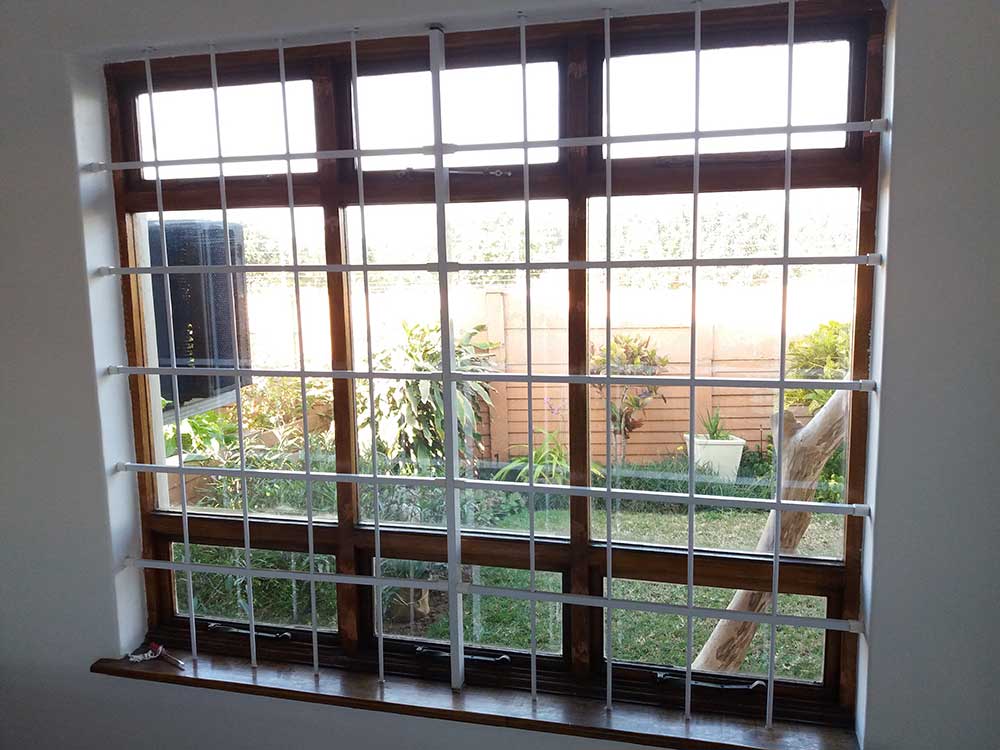
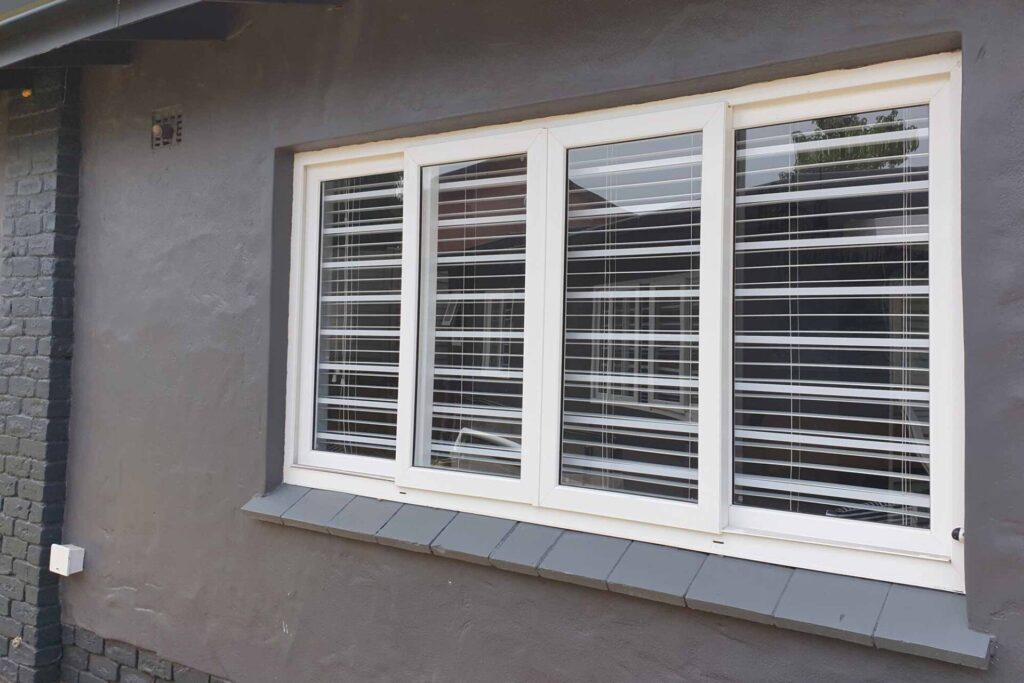
Physical barriers like burglar bars in KZN function differently: they physically stop entry, making access impossible or painfully slow. For home security in South Africa, residents need both layers. Reputable providers use SABS and UKAS approved materials to ensure barriers are strong enough to withstand forced entry attempts.
Barriers deny access during the critical entry window. Alarm systems provide backup detection. Together, they create all-encompassing protection that neither delivers on its own. Research indicates that most burglars spend less than two minutes assessing potential targets, making the immediate visual deterrence of physical barriers particularly effective during this crucial decision period.
DIY vs Professional: Cost Comparison and True Total Expense
When you’re evaluating home security options, the upfront price tag often captures attention first—but it tells only part of the story.
| System Type | Initial Cost | Monthly Fee | 5-Year Total |
|---|---|---|---|
| DIY Alarm | R2,400–R9,600 | R288–R720 | R4,080–R13,200 |
| Professional Monitoring | R8,000–R24,000 | R800–R1,440 | R35,200–R50,400 |
| Physical Barriers (Wonder Bars Durban) | R15,000–R45,000 | R0 | R15,000–R45,000 |
DIY alarm systems vs professional monitoring show significant financial differences. You’ll pay less upfront with DIY options but have ongoing monthly costs. Professional contracts often require binding agreements lasting 3–5 years, which substantially increases long-term expenses. Physical security barriers from Wonder Bars Durban require no monitoring fees. You gain permanent protection without recurring charges. Wonder Bars has completed over 4,000 bespoke security installations, demonstrating a proven track record of delivering lasting value for a wide range of homes. Most DIY systems arrive pre-programmed for faster setup, allowing you to activate and test the equipment quickly without extended waits for a technician. Your total expense depends on how committed you are and the security strategy you prefer.
The 60-Second Problem: Why Alarms Don’t Stop Entry?
You install an alarm system expecting it’ll stop intruders, but here’s the reality: alarms detect breaches after they happen, not before.
That 30- to 60-second entry delay built into most systems gives intruders a window to enter your home, locate prized items, and sometimes leave before the siren even sounds. Faulty sensors and low batteries can extend this vulnerability window even further, allowing unauthorised access to go undetected during critical moments.
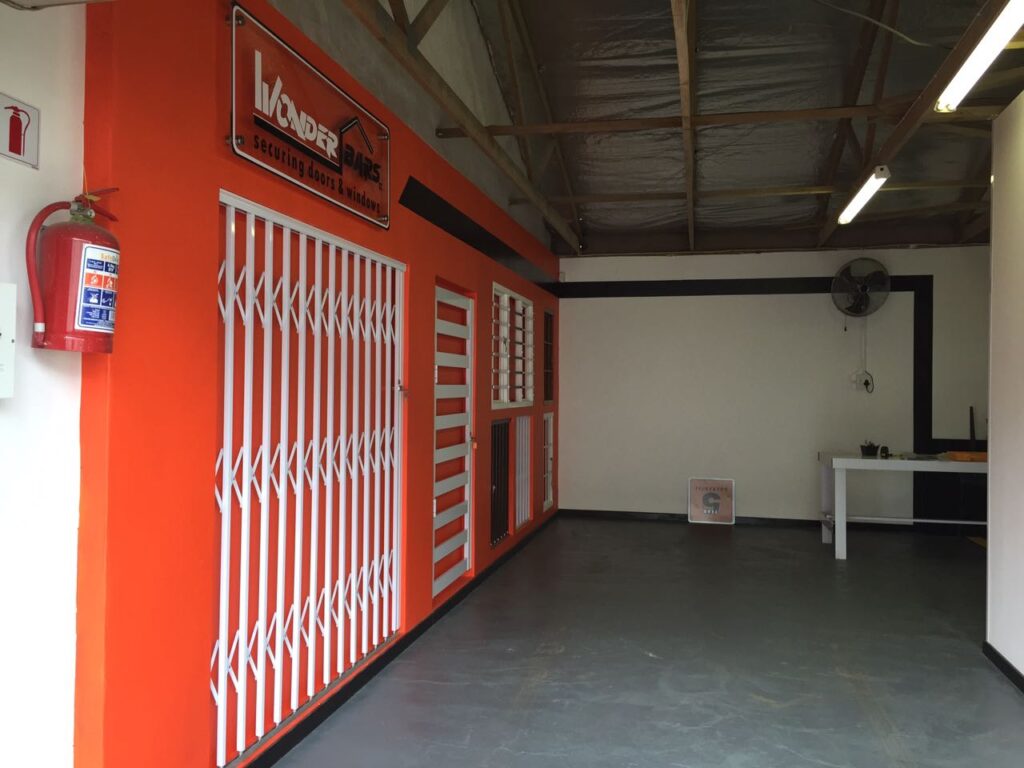
This gap shows why alarms work best as a backup to physical barriers like reinforced doors and security bars—they alert you to trouble that’s already under way, not trouble that’s been prevented. Physical deterrents such as swing gates and retractable trellis doors are manufactured to resist forced entry from the outset, addressing the threat before any breach can occur.
The Entry Window Gap
Most alarm systems operate on a fundamental flaw: they detect intrusions after they’ve already happened, leaving a critical 60-second window in which motivated intruders can enter your home and complete their objectives before any physical response arrives.
Standard annealed glass fails in under three seconds under a focused strike. A single hammer blow creates an opening large enough for entry. Here’s what you’re facing versus physical security:
- Standard commercial glass fails in seconds
- Intruders need only 4–5 inches to pass through
- Monitored alarms average four-minute response times
- Most smash-and-grab attempts are completed in 90 seconds
Alarms detect and report but don’t slow forced entry through unprotected glass. Window locks that restrict opening to 4–5 inches prevent both head insertion and arm reach to interior latches, creating a meaningful delay.
Physical barriers, however, physically restrict opening size and add critical minutes to entry attempts. Unlike alarms, retractable windows and fixtures use high-strength materials specifically engineered to withstand weather exposure and resist forced entry attempts. This gap separates detection from actual prevention.
Alarms as backup only
Relying on alarm systems alone creates a dangerous security gap that’s difficult to close once an entry is underway. You’re betting on response time, but that’s where the maths fails you.
| Security Layer | Response Time | Entry Prevention |
|---|---|---|
| Alarm activation | 3–5 seconds | No |
| Monitoring centre alert | 15–30 seconds | No |
| Police dispatch | 45–60 seconds | No |
| Police arrival | 8–15 minutes | Delayed |
Alarms notify. They don’t stop. You’ve got roughly 60 seconds before an intruder’s past your threshold, and the police haven’t even arrived yet. That’s why Wonder Bars combines visible deterrence with response-ready systems. Physical barriers like custom security gates delay entry long enough for monitoring to matter. When you layer professional-grade fabricated barriers with alarm coverage, you’re not hoping for a quick response—you’re preventing the problem entirely. Wonder Bars’ retractable trellis doors are custom-made to specification, ensuring a precise fit that eliminates the structural vulnerabilities left behind by generic, off-the-shelf security products. Similar to how backup infrastructure requires configurable thresholds and monitoring to function effectively, security systems depend on properly tuned alerts and layered defences working in concert. That’s the strategy that works.
The 80/20 Budget Split: Physical Security Comes First
You’ll see the greatest return on your security investment by allocating 80% of your budget to physical barriers—fences, reinforced gates, and security bars—rather than spreading funds across alarm systems alone.
Physical barriers stop intruders at the perimeter before they can trigger any detection equipment, making them your first line of defence and your smartest spending priority.
When you build this foundation first, you’re protecting your property’s most vulnerable entry points with proven, permanent solutions that don’t rely on electricity, monitoring services, or response times. Like the 80-20 plan for personal finances that emphasises directing a significant portion of resources towards a primary goal, prioritising physical security allocates the majority of your investment towards foundational protection.
For windows in particular, cottage pane burglar bars offer bespoke, custom-fabricated security that integrates seamlessly with your home’s existing architectural character without compromising its appearance.
Why Physical Barriers Win
Physical barriers form the foundation of effective security, stopping threats before they reach your home’s interior. You’re investing in prevention rather than response. When you prioritise barriers first, you’re making a strategic choice that protects your assets most effectively.
Here’s why barriers outperform alarms alone:
- Prevent entry entirely – Intruders can’t bypass reinforced doors, gates and windows
- Delay attackers considerably – Physical obstacles force criminals to spend time and effort
- Reduce breach costs – Prevention costs far less than dealing with a successful break-in
- Enable faster responses – Barriers buy time for help to arrive at your property
You’ll join homeowners across the greater Durban area who’ve chosen Wonder Bars’ custom-fabricated solutions. These barriers blend seamlessly with your design while providing sturdy security. Aesthetic appeal and physical protection work together, creating security you’ll genuinely be pleased to display. From swing gates for driveways to reinforced access points, each solution is custom-made to withstand the elements while deterring intruders. This layered approach, combining perimeter security, access control and lighting, ensures comprehensive protection across multiple operational areas.
Smart Money Allocation Strategy
When you’re building a security budget for your home, the smartest approach treats physical barriers as your foundation, not an afterthought. You’ll allocate 30–40% of your 20% savings bucket directly to fencing, gates, and reinforced locks before considering electronic systems. This strategy creates permanent assets with 10–20 year lifespans, unlike DIY alarm components requiring replacement every 3–5 years. Solutions such as burglar bars and swing gates offer durable perimeter protection that compounds in value over time.
Physical barriers eliminate monthly monitoring fees that drain your 80% spending allocation annually. You establish a dedicated security sub-account within your savings structure, ensuring funds remain separate from general spending. The 80% bucket covers your remaining household expenses, allowing you to prioritise security investments without sacrificing essential needs and wants. By securing your perimeter first, you create the foundation for electronics to function effectively. This sequencing—barriers before alarms—maximises your security investment’s return and delivers measurable protection per rand spent.
Do hardwired systems survive power outages better than wireless?
Power cuts test alarm system reliability in ways that normal operation never does, and hardwired systems generally outperform wireless alternatives during grid failures.
Power outages reveal weaknesses in alarm systems—hardwired systems perform better than wireless alternatives when the grid fails.
You’ll find that hardwired control panels automatically switch to internal battery backup when the electricity goes off, keeping the system running for 4 to 48 hours depending on system quality.
Wireless systems that rely solely on Wi‑Fi fail instantly without power.
Consider these key differences:
- Hardwired systems with cellular backup maintain contact with professional monitoring centres during complete outages
- Wireless cameras lose cloud connectivity and remote access when routers go offline
- Battery-powered wireless sensors continue to function locally but can’t transmit alerts
- Entry-level hardwired alarms offer 4–10 hours of backup; high-end GSM systems provide 24–48 hours
You’re protected for longer with hardwired infrastructure paired with cellular failover capability. For properties in areas prone to wildlife, pairing your alarm system with transparent physical barriers adds a layer of security that operates entirely independently of power.
Professional installation vs DIY: What takes longer?
If you’re evaluating DIY alarm installation against a professional setup, the installation duration itself tells only part of the story.
DIY systems are installed in 20–45 minutes for basic kits. Professional technicians require 2–4 hour appointment windows, with the actual work taking 90–180 minutes. However, scheduling delays considerably extend professional timelines. You’ll wait 1–2 weeks for availability, plus a two-hour arrival window on the installation day.
| Metric | DIY | Professional |
|---|---|---|
| Actual Installation Time | 20–45 minutes | 90–180 minutes |
| Scheduling Wait | None | 1–2 weeks |
| Total Timeline | Same day | Days added |
| System Complexity Factor | Wireless faster | Hardwired: 3–7 days |
| Monthly Monitoring Cost | R287 | R507 |
DIY eliminates scheduling delays entirely. You install immediately after purchase. Professional installation guarantees peak functionality and thorough testing, offsetting longer timelines through superior support and configuration expertise tailored to your home’s requirements.
24/7 Monitoring Dispatch: Why Speed Matters
The difference between professional monitoring and self-monitoring comes down to one critical factor: response time.
When you choose professional 24/7 monitoring, you’re investing in immediate action. Here’s what happens behind the scenes:
- Direct dispatch without delay – Signals transmit straight to a staffed central station, bypassing you entirely
- Verification protocols – Operators confirm threats before contacting emergency services, reducing false alarms
- Industry-standard response – Leading providers average dispatch within 60 seconds from signal receipt
- Continuous oversight – Real-time assessment occurs before you even process the alarm sound
Self-monitoring requires you to notice alerts, verify threats, and contact authorities manually. That delays response markedly.
In emergencies, seconds determine outcomes. Break-ins escalate quickly. Fires spread fast. Professional monitoring compresses the time between detection and help arriving at your Durban property. You’re delighted knowing trained operators handle coordination immediately, giving you genuine peace of mind.
Reinforced Doors, Screens, and Locks: Best Protection for Your Entry Points
Your entry doors represent the primary target for forced entry attempts, making reinforcing them your most critical security investment. Solid-core, steel, or fiberglass doors paired with reinforced frames create unified barriers that resist kicking and structural failure far better than standard options.
| Component | Standard | Reinforced |
|---|---|---|
| Door Material | Hollow core | Solid steel or fiberglass |
| Strike Plate Screws | 2 screws, 1 inch | 4–6 screws, 3+ inches |
| Hinge Pins | Removable | Tamper-resistant, non-removable |
Deadbolts outperform standard locks markedly. Heavy-duty strike plates absorb impact force through steel rather than allowing wood to splinter. Replace factory hardware with elongated four-to-six-screw strike plates using 3-inch screws that penetrate wall studs. Install tamper-resistant hinges with non-removable pins on all doors. Professional installation guarantees correct placement and peak protection for your home.
Layering Barriers With Monitored Alerts for Complete Coverage
Reinforced doors and locks form your first line of defence, but they work best when combined with perimeter barriers and monitored detection systems. You’ll achieve comprehensive protection by layering multiple security components together. This integrated approach guarantees that when one layer fails, others remain active.
Consider these essential components:
- Perimeter barriers such as electric fencing provide deterrence while delaying an intruder’s progress
- Sensor systems including ground vibration detectors provide immediate alerts when breach attempts occur
- CCTV surveillance with motion detection enables 24/7 monitoring and rapid response coordination
- Central monitoring routes alerts directly to security personnel and law enforcement when needed
Your property benefits from this layered strategy. Detection happens quickly, response time improves dramatically, and threats are mitigated before they can escalate.
Physical barriers stop unauthorised entry attempts while monitored alerts ensure nothing goes unnoticed.