



Most security gate owners don’t realise they’re leaving a window open for criminals—not a physical one, but a split-second gap between closing and locking. That brief moment is all it takes. Slam locks eliminate this vulnerability entirely through automatic engagement, but the real story goes deeper than the mechanism itself. The material your gate is made from determines whether that lock ever gets the chance to do its job.
How Slam Locks Stop Intruders Before They Enter?
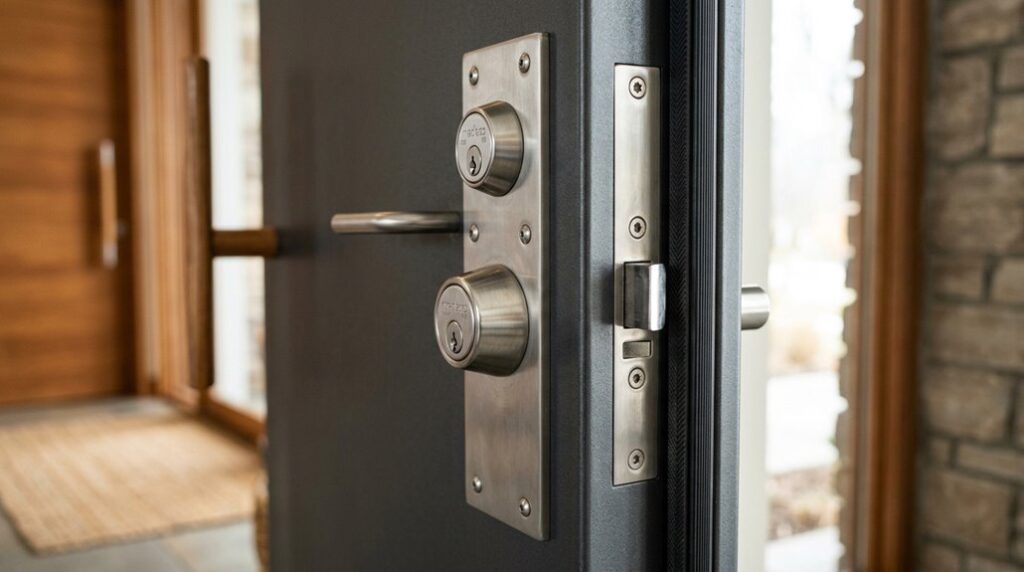
Slam locks engage instantly the moment your security gate or door closes, eliminating the vulnerable seconds that criminals exploit. This automatic engagement upon closure means you’re protected before an intruder can attempt entry. The locking mechanism triggers immediately through impact or magnetic activation, securing your property without any manual intervention.
You’ll appreciate how slam locks remove the delayed security window that exists with traditional locks. Once your gate slams shut, it’s locked—you don’t need to return a key to activate protection. External door handles become useless; only the supplied keys can open the door from outside. For broader property protection, a free home security assessment can identify additional vulnerabilities that slam locks alone may not address.
This automatic nature deters opportunistic criminals effectively. They recognise immediately that your entry point is secured. Installation on residential doors and windows provides fundamental security protection that works continuously, giving you peace of mind through reliable, proven deterrence. When paired with ABS 3-star-rated locks, slam-shut mechanisms offer enhanced security that’s harder to pick or tamper with than traditional industry locks.
Why Automatic Engagement Outperforms Manual Lock Systems
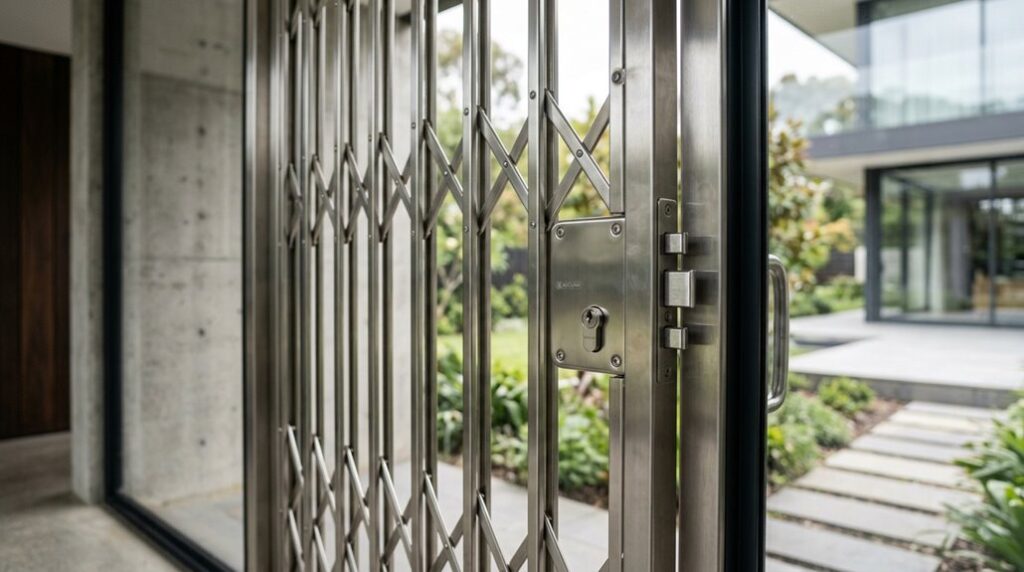
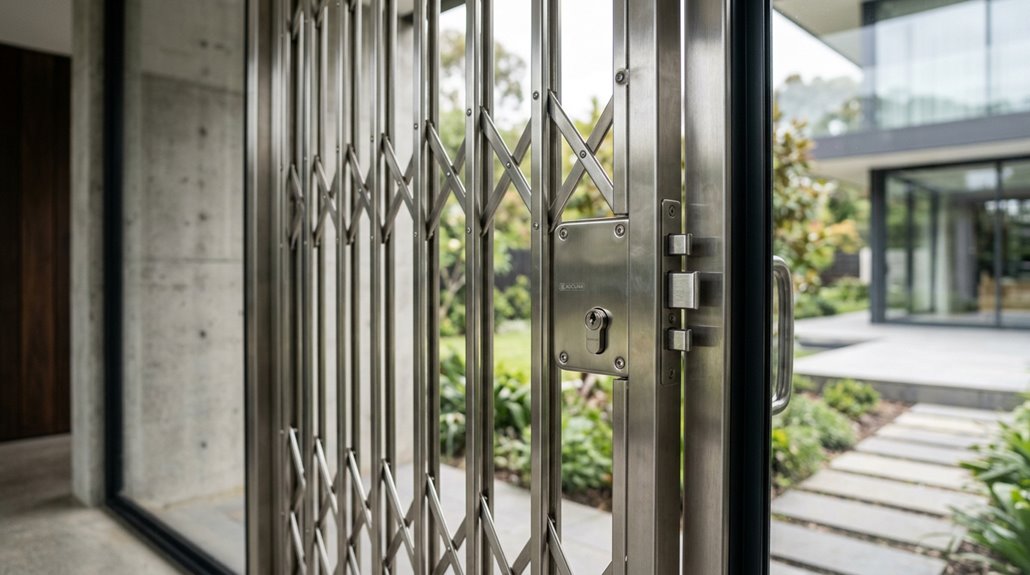
When you install an automatic engagement system on your retractable security gate, you’re eliminating the single greatest vulnerability in manual lock setups: human error.
Automatic locks engage immediately when the gate closes, removing the need for manual intervention entirely.
Your gate stays secured 100% of the time it’s closed, whereas manual locking depends on user compliance.
Properties with high traffic volumes show markedly higher rates of unsecured manual gates compared to automated ones.
Forgotten latching creates security gaps that automatic engagement consistently prevents.
With retractable security solutions featuring automatic locks, you’re not relying on someone remembering to lock up after each use.
Fail-secure electric locks remain locked without power, ensuring your property maintains protection even during unexpected outages.
This default locked status means your property remains protected around the clock, providing the consistent protection you deserve. Beyond the lock mechanism itself, high-strength materials used in retractable security gates further reinforce that protection by resisting forced entry and withstanding harsh weather conditions.
How Much Do Slam Lock Gates Actually Cost?
Grasping the investment required for a retractable security gate helps you make an informed decision about protecting your property.
Understanding the costs of retractable security gates enables you to make informed decisions about protecting your property investment.
Slam lock gates typically range from R1,540 to R4,290+, with average market pricing of around R2,800 for standard units. Entry-level security gates start at R1,980, while premium configurations exceed R4,290.
Professional installation adds R550 to R1,100 per gate, depending on site conditions. Manual gate packages cost between R3,500 and R5,000 in total, whereas automatic installations range from R5,000 to R7,500, including hardware. The choice of locking mechanism significantly influences your overall cost.
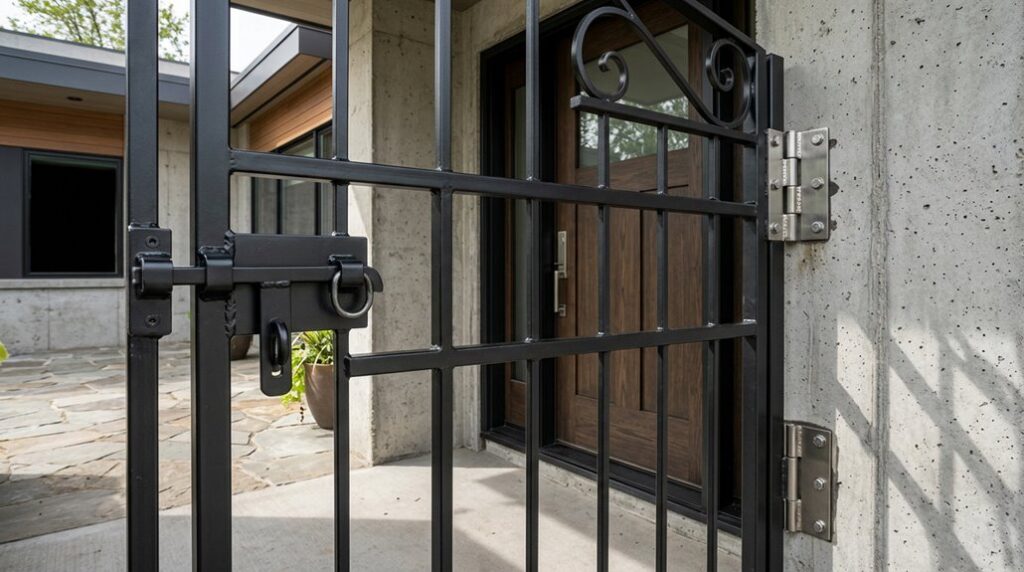
Material selection has a major impact on pricing. Steel commands higher costs than aluminium alternatives. Wider gates (2.5m sliding width) and custom sizes increase expenses beyond baseline rates. Standard dimensions (1000x2000mm) set your pricing foundation. Reputable manufacturers offering SABS-approved quality components typically reflect this compliance standard in their pricing.
Additional features such as upgraded shoot bolts (R800–R1,500) and custom design elements further tailor your investment.
Steel vs. Aluminium: which material performs best for your budget
The material you select for your retractable security gate fundamentally shapes both its performance and your total investment over time. Steel delivers superior strength and resistance to cutting, making it ideal for high-security applications. Aluminium excels in coastal environments, resisting salt-air corrosion that attacks steel. Your choice depends on location, budget, and how much maintenance you’re prepared to tolerate. Trellidor’s computer-cut keys with unique ID numbers enhance security across both material types, ensuring that your chosen gate operates with maximum protection regardless of whether you select steel or aluminium.
| Factor | Steel | Aluminium |
|---|---|---|
| Upfront Cost | Lower (30–50% less) | Higher |
| Coastal Durability | Poor without treatment | Excellent |
| Lifespan (inland) | 15–25 years | 20–30+ years |
| Motor Requirements | Powerful, expensive | Smaller, efficient |
| 10-Year Cost | Higher maintenance | Lower overall |
For home security in South Africa, residents installing retractable trellis doors in Durban’s humid climate will find aluminium to be more cost-effective. Steel suits inland applications where corrosion isn’t critical and maximum impact resistance matters most. A personalised security consultation can help homeowners in KwaZulu-Natal determine which material best suits their specific environment and long-term budget requirements.
Looking for the perfect match? Finding the ultimate security fit for your doorway shouldn’t feel like standard guesswork. Explore our guide on how to secure your property with custom door security built precisely for your space.
DIY Installation vs. Professional Setup: What’s Realistic for Your Home
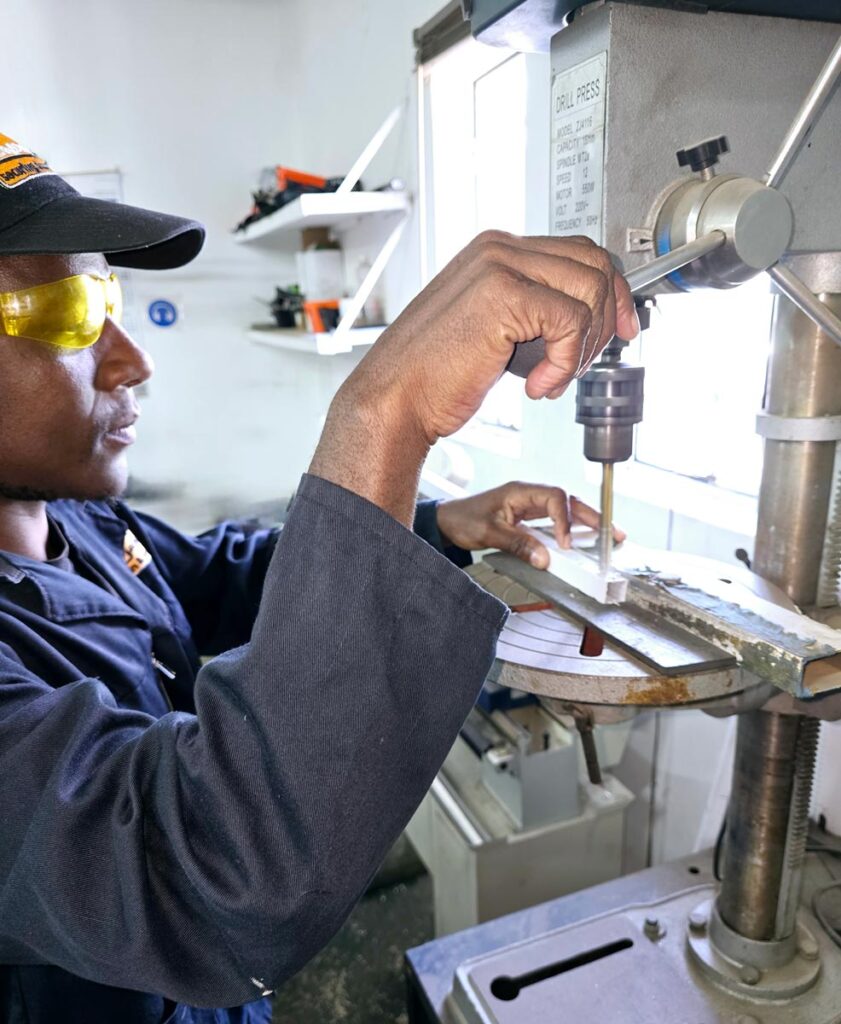
Installing a retractable security gate involves a critical decision: whether to tackle the project yourself or hire professional installers. DIY approaches typically require 16–24 hours of active work, while professionals can complete the installation within a matter of hours. You’ll need to budget for material costs of around R2,400–R6,400, plus tool rental expenses ranging from R800–R2,400. If the gate is installed incorrectly, it may malfunction and suffer premature wear, creating safety risks and leading to expensive repairs later on.
Your skill level matters considerably. Simple pedestrian gates may be suitable for DIY installation, but patio security gates and burglar bars in KwaZulu-Natal (KZN) applications generally require professional expertise. Gates wider than 4 feet or taller than 6 feet should be installed by professionals. Professional installers also provide post-installation guidance to help homeowners maintain their gates and extend their working life.
Professional installers offer warranty protection, compliance with relevant codes, and ongoing maintenance support. DIY mistakes often result in costly repairs. Without the required construction experience, professional installation delivers greater durability and long-lasting performance for your home’s security needs.