


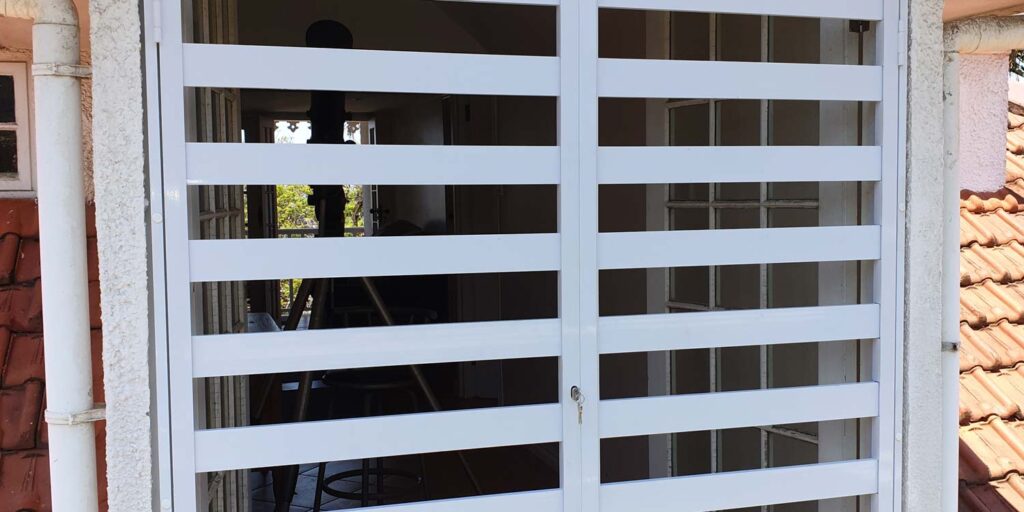
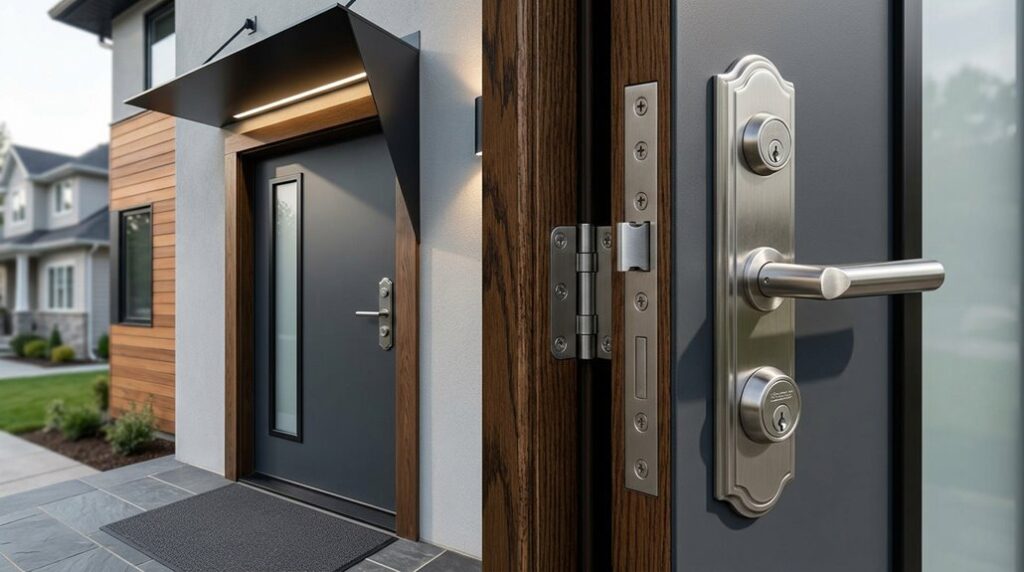


Burglar bars protect your home — but they might be putting your family in danger. The very security measure you installed to keep threats out could trap you inside during a fire or emergency. Building codes mandate quick-release mechanisms that anyone can operate, yet countless homeowners remain unaware their installation is non-compliant. Understanding the exact requirements isn’t just about avoiding fines — it’s about survival.
Why Your Security Bars Need a Quick-Release Mechanism
When security bars are permanently fixed without a quick-release mechanism, they create a serious fire safety problem that can trap occupants inside burning buildings. You need a quick release system because emergencies demand immediate escape—panic and confusion during fires prevent occupants from remembering key locations or combinations, causing fatal delays.
Building codes require quick-release mechanisms on all escape windows for this reason. Your release device must work from inside without tools, keys, or special knowledge. Children and elderly people must be able to open the mechanism with minimal force. Bespoke security installations should always include quick-release compliance as a standard feature to ensure your custom design never compromises evacuation capability.
Firefighters report that non-releaseable bars significantly complicate rescue operations and increase the likelihood of injury and death. You are protecting your family and meeting legal requirements by fitting compliant quick-release mechanisms on barred windows. This investment ensures your home provides both security and genuine safety. The National Fire Protection Agency reports that fire deaths related to security bars are rising, underlining the urgency of proper installation standards.
Choose the Right Quick-Release Device for Your Home
Selecting the right quick-release device requires balancing three critical factors: material durability, release mechanism type, and compliance with South African building regulations. You’ll find steel bars offer superior cutting resistance for high-security applications, while aluminium provides lightweight corrosion protection.
Release burglar bars come in several configurations: single pull-pin mechanisms operate in under two seconds, foot pedals eliminate manual effort, and spring-loaded handles feature bright red or yellow visibility markers for emergencies.
Your chosen mechanism must remain accessible solely from the interior without tools or special knowledge. Interior mounting integrates seamlessly with your home’s aesthetics while simplifying emergency access. These mechanisms save occupants valuable time in critical situations when rapid evacuation is necessary. Professional installation ensures your release burglar bars meet local safety standards and function reliably when needed. Wonder Bars fabricates custom solutions tailored to your specific window dimensions and architectural style, providing both security and aesthetic appeal.
Wonder Bars backs every installation with a 5-year guarantee on workmanship and materials, giving homeowners long-term confidence in their quick-release security investment.
Installing or Retrofitting Security Bars Step-by-Step
Proper installation starts with precise measurements and careful site preparation, which directly determine how well your quick-release burglar bars will function and protect your home.
Precise measurements and careful site preparation are the foundation for proper burglar bar installation and overall home security effectiveness.
Measure the window width and height from inside the frame, allowing half-inch clearance for interior-mounted bars. Exterior-mounted burglar bars require a few inches extra in both length and width beyond the window dimensions. Check that your bar model complies with local building regulations before proceeding.
Essential tools include a measuring tape, marker, spirit level and drill driver. Use 3/16 inch drill bits for pilot holes and non-reversing security screws to prevent removal from the outside. Position brackets horizontally and vertically so they are centred on the mounting surface, marking all fixing points with a pencil before drilling. Do not install quick-release bars on bedroom windows without approved emergency release mechanisms, to ensure safe evacuation during a fire or other emergency.
Apply Loctite adhesive between the bar sections, making sure every screw and fastener is fully tightened for maximum security. For homes with cottage pane windows, choosing bespoke craftsmanship solutions helps ensure your security bars align precisely with the existing grid pattern without compromising the window’s architectural integrity.
Test Your Release Mechanism: Monthly Inspection Checklist
Your quick-release burglar bars won’t stay effective without regular testing and maintenance after installation. You’ll carry out monthly inspections to catch rust, corrosion, or loose hardware before they compromise your bars’ emergency function.
Start by examining the hinges for rust spots and checking alignment. Verify that the mounting brackets remain secure and that connection points show no signs of metal fatigue. Inspect the foot release pedal for obstructions or debris build-up. Products manufactured using SABS and UKAS approved materials offer a measurable advantage in resisting the wear and corrosion that monthly inspections commonly reveal.
Test the mechanism by kicking the pedal multiple times. The bars should spring open freely and relatch positively without any drag. Apply weather-resistant silicone lubricant to all moving parts, particularly in coastal areas where humidity accelerates corrosion. Many local building codes require quick-release mechanisms on window bars to ensure emergency egress compliance during a fire or evacuation situation.
Document each inspection with dates, observations, and corrective actions. Record any failures and set deadlines for repairs. This systematic approach helps keep your security barriers functioning reliably when you need them most.
Maintain and Inspect Your Release Mechanism Quarterly
Every three months, you’ll need to carry out a thorough maintenance inspection to keep your quick-release burglar bars working at peak performance. Whether you’ve installed custom burglar bars from KZN security solutions or standard models, quarterly maintenance helps ensure reliable emergency egress and longer service life.
| Maintenance Task | Frequency |
|---|---|
| Clean the push pad and end caps | Quarterly |
| Apply dry graphite lubricant | Quarterly |
| Test the alarm function | Quarterly |
| Measure push force (max 30 lbf) | Quarterly |
| Document all activities | Quarterly |
Clean dust and grime using a damp cloth. Apply dry graphite lubricant to the latch mechanisms—avoid WD-40 as it attracts debris. Test the reset function by closing your door after triggering. Confirm that the latch bolt fully extends into the strike. Measure push force using calibrated gauges. Inspect hinges for wear and tighten screws. Swing gates and burglar bars alike benefit from robust locking mechanisms that are checked regularly to ensure secure, dependable operation across all entry points. Replace the 9-volt battery if needed, particularly in Florida’s humid climate where battery life is shortened, typically every 6–9 months rather than the standard 12-month replacement cycle. Record maintenance dates for compliance records. This systematic approach maintains safety standards and extends the lifespan of components.