


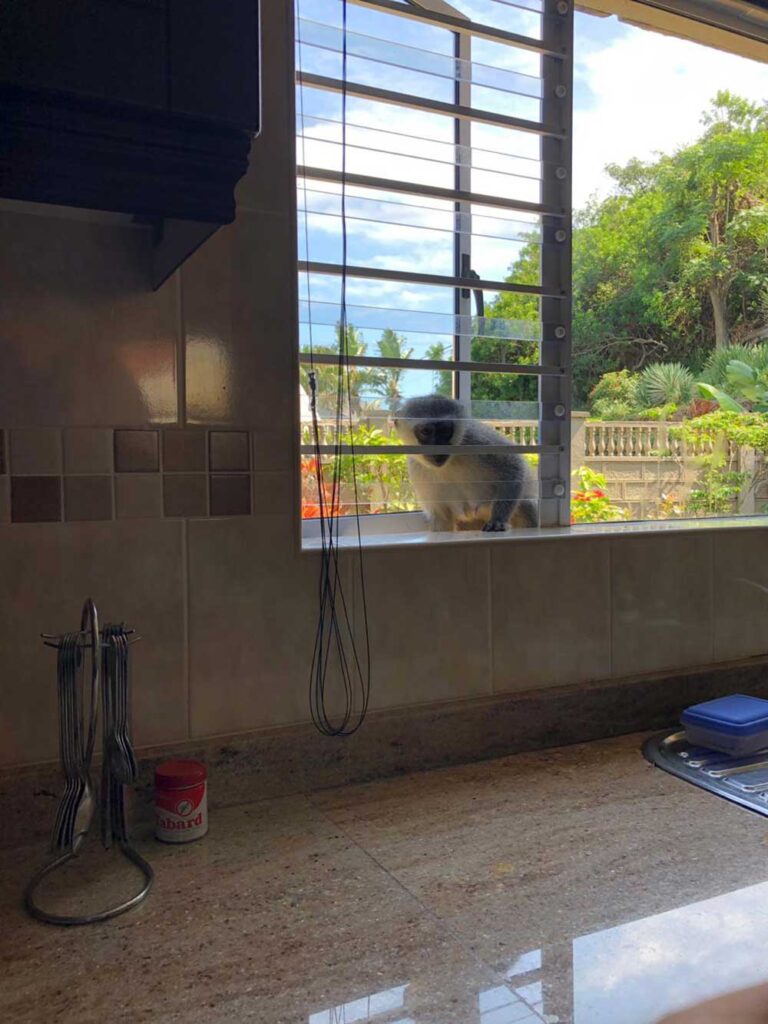


Baboons don’t test windows gently—they attack them with calculated force, and most screens fail within seconds. Yet certain reinforced mesh installations have stopped full-grown males cold, with zero penetration. The difference isn’t luck. It comes down to materials, mounting depth, and whether you’ve layered your defenses correctly. Before you buy anything marketed as “monkey proof,” you need to understand exactly what separates a screen that holds from one that becomes an expensive pile of shredded wire.
Do Mesh Screens Stop Baboons on First Contact?
The answer depends entirely on the type of screen you’ve installed.
Standard fly screens won’t stop baboons on first contact. These common screens lack the tensile strength to withstand a baboon’s force and fail immediately when tested. Baboons simply destroy them.
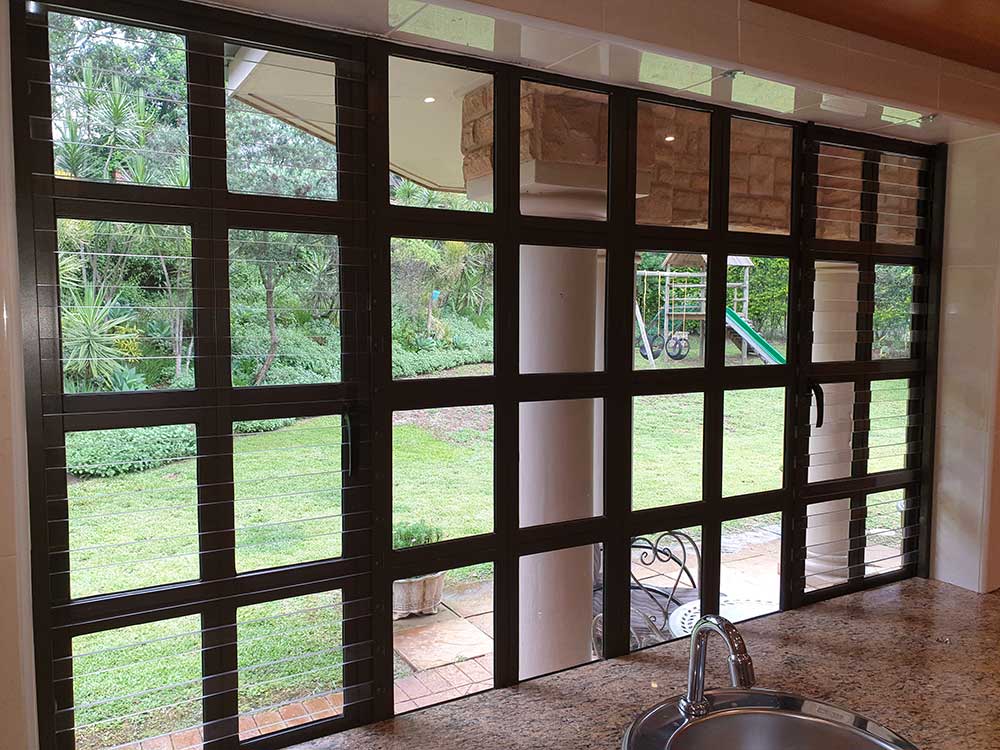
High-tensile stainless steel security screens deliver different results. These mesh screens use marine-grade 316 stainless steel bonded to powder-coated aluminium frames. When properly installed, they stop baboons immediately upon impact. Once baboons realise the barrier prevents entry, they test only once before moving on to less secure homes.
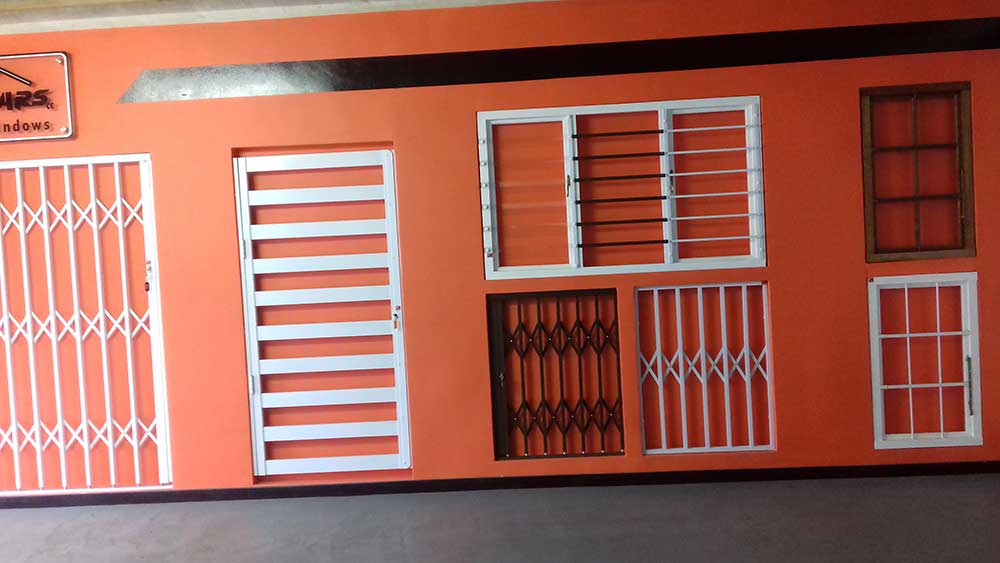
The difference lies in material quality and installation. Monkey proof mesh screens feature reinforced construction with narrow weave patterns that prevent baboons from pushing through or breaking the barrier. Standard screens can’t match this performance. Products built with SABS and UKAS approved materials provide the verified strength and durability needed to withstand repeated animal pressure.
Your choice of screen determines whether you’re protected or vulnerable. Security screens represent the proven solution for baboon-active properties in KwaZulu-Natal.
Where Most Mesh Installations Fail
Even if you’ve invested in high-tensile stainless steel security mesh, installation mistakes can undermine the system’s effectiveness.
Your monkey-proofing efforts most often fail at edges and seals. Small gaps at corners can allow entry even when the mesh appears intact, while daylight visible around frames indicates incomplete barriers that baboon deterrents can’t prevent.
Uneven tension during installation creates wrinkles and weak points where animals can apply pressure. Proper spline installation prevents these structural weaknesses that compromise the integrity of your barrier.
Warped frames prevent proper sealing and cause screens to wobble or pop out of tracks.
Material degradation from sun exposure weakens fibreglass over time, creating tiny holes near the edges.
Improper anchoring without sufficient adhesive surface can cause screens to detach entirely. A professional security assessment, such as a free home security evaluation, can identify these anchoring weaknesses before they become costly entry points for persistent wildlife.
These installation failures turn premium security barriers into ineffective obstacles, compromising your property’s protection against persistent wildlife threats.
Materials and Anchoring That Actually Work
Once you’ve identified where most installations fail, you’ll understand why material selection and anchoring methods matter most for effective monkey-proofing.
Your proof window requires reinforced stainless steel or vinyl-coated polyester mesh. Stainless steel delivers superior tensile strength against baboon pulling and chewing forces. Vinyl-coated polyester demonstrates up to seven times greater strength than traditional fiberglass, with breaking strengths exceeding 400 lbs.
Wildlife guards succeed when mechanically anchored directly into structural frames. Weak fixings create leverage points that determined primates exploit for entry. Your anchoring system must withstand climbing forces and remain secure over time, eliminating gaps entirely. A free home security assessment can help identify the most vulnerable anchor points and fixing methods specific to your property.
Mesh weave density is critical. Tight weaves resist penetration by claws and teeth while maintaining airflow. Metal or aluminium frames resist scratching and degradation in KwaZulu-Natal’s coastal climate. Pet-resistant screens made with high-strength materials can provide a comparable level of durability and resistance to damage from determined animals.
Long-Term Durability: Corrosion Resistance and Maintenance
Your anchoring system’s strength means nothing if corrosion degrades the materials that hold it together. In KZN’s humid coastal climate, the materials you choose determine whether your animal-proof Durban investment lasts 8 years or 25 years.
Marine-grade stainless steel (304/316) and powder-coated aluminium resist rust in salt-spray environments up to 2 km from the ocean. Aluminium forms a self-healing oxide layer that reforms within seconds after scratching, preventing degradation. High-tensile stainless steel maintains structural integrity under heavy rain and UV exposure. SS316 marine-grade mesh cannot be torn or punctured by primate hands, delivering superior wildlife protection compared with standard fibreglass alternatives.
Maintenance extends lifespan dramatically. Rinse the mesh monthly with fresh water. Carry out quarterly soapy washes with soft brushes. Check locks and fixings twice a year, especially after storms. Avoid harsh chemicals that can degrade coatings. Wonder Bars offers post-installation guidance to help homeowners maintain their security screens correctly from day one.
Your burglar bars KZN and exclusion screens deserve quarterly care. This investment protects your property reliably for decades.
Double Down: Combining Mesh With Locks and Restrictors
Mesh screens alone won’t stop determined baboons—they need reinforcement through locks, restrictors, and integrated structural components working together. You’ll achieve a great result by layering defenses across your home security strategy in South Africa.
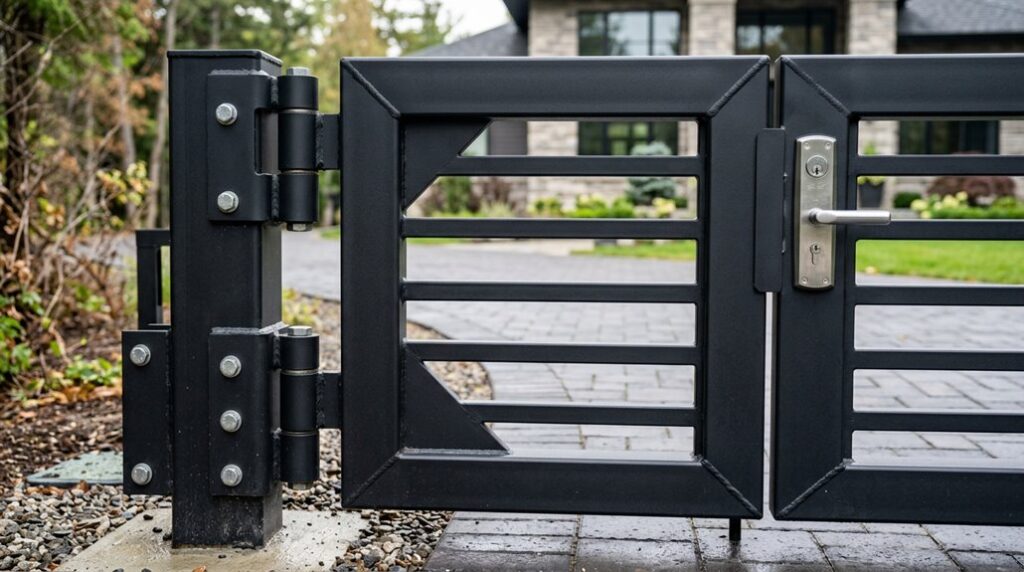
LockLatch® restrictors limit window openings to 9–17 cm, preventing baboon passage while maintaining airflow. Pair this with deadbolts on sliding doors and windows to eliminate lifting tactics. Tamper-resistant fixings and concealed screws prevent external frame removal, while clamp profiles keep the mesh taut within frames.
Reinforced window screens with rigid stainless steel construction resist pulling and chewing attempts. Double latches provide redundancy against single-point failure. Outer rails on sliding doors prevent baboons from lifting panels off tracks—a known entry method. The unique clamp profile secures stainless steel mesh while preventing opening from outside, which is essential for properties in regions where baboons and monkeys are prevalent. For properties requiring a tailored approach, Vervet monkey-proofing solutions can be customised to suit specific structural and environmental conditions.
This coordinated implementation ensures no weakness remains. The animals test once, find no deformable entry points, then move on.