




Most homeowners obsess over deadbolts and smart locks—but completely ignore the SR rating system that actually determines how secure their door is. That single number, ranging from SR1 to SR4, can affect your insurance premiums and how vulnerable your home really is. Steel, fibreglass and mesh security doors each respond differently to climate, break-in attempts and everyday wear. Choosing the wrong one isn’t just a financial mistake—it’s a safety one. Here’s what separates a door that looks secure from one that actually is.
Which Security Door Configuration Fits Your Entrance?
How do you know which security door setup works best for your home’s entry points?
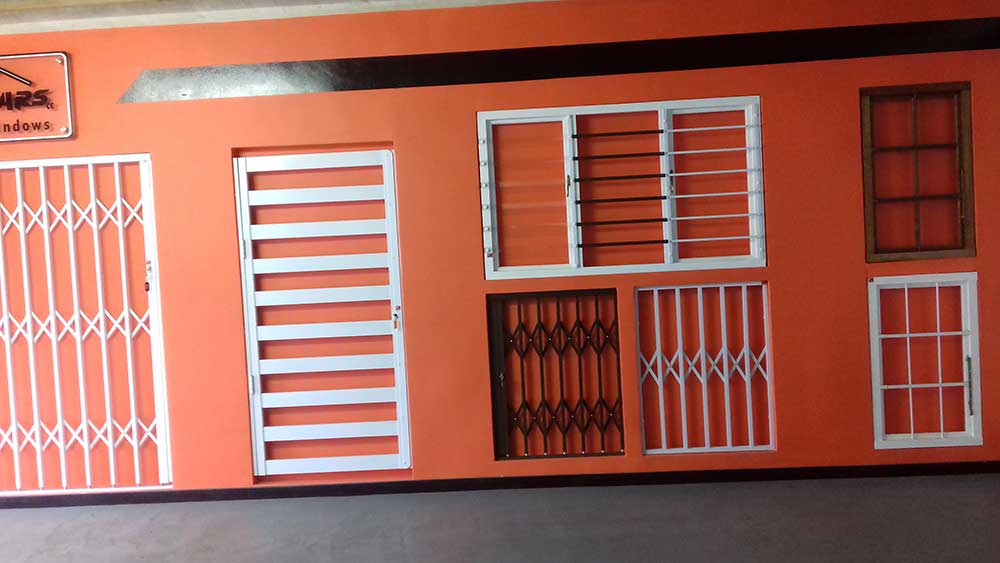
Your entrance type determines the ideal door configuration. Single-leaf door sets provide maximum security because their rigid frames minimise the risk of forced entry. They’re ideal for primary front doors where protection matters most.
Double-leaf configurations offer wider clearance for furniture and improved accessibility, but they require integrated locking on both leaves to match the security of single-leaf options. These suit larger openings.
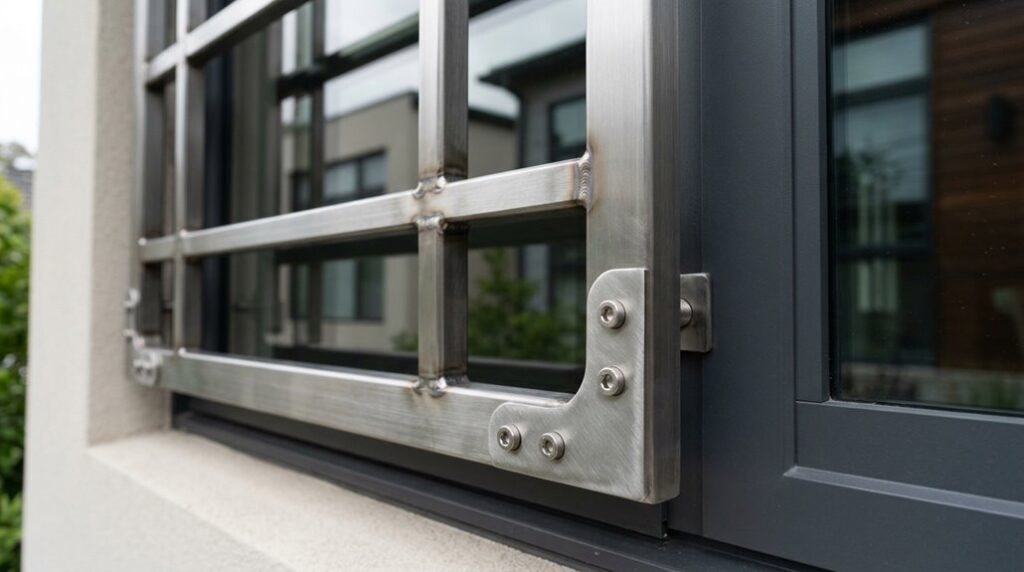
Secondary entrances benefit from sliding Meshtec screen configurations, which allow ventilation without compromising your primary barrier integrity. Steel and mesh hybrid options work well as storm doors over solid entry doors, enhancing airflow while adding layered defence. Stainless-steel mesh resists cutting and ramming, making it an excellent added security layer for all-glass patio doors and vulnerable access points.
A steel core with a wood exterior gives a balanced look—combining aesthetic appeal with internal rigidity—a popular choice for main residential entrances where security doors must complement your home’s design.
Wonder Bars custom-fabricates all door configuration types, including burglar bars KZN residents trust for seamless integration with existing design. Their custom craftsmanship process starts with a free, no-obligation consultation and property assessment, ensuring every solution is tailored to your specific entrance requirements.
Steel vs. Fibreglass vs. Mesh: Which Material Wins for Your Home?
Once you’ve selected the right door configuration for your entrance, the material you choose becomes your next critical decision. Steel, fibreglass, and mesh each offer distinct advantages for home security homeowners in South Africa.
Steel provides raw strength and durability across climates, though it transfers heat in direct sunlight.
Steel doors deliver exceptional strength and durability in any climate, though expect heat transfer during intense direct sunlight exposure.
Fibreglass edges out steel for energy efficiency and low-maintenance performance, standing up beautifully for decades when properly protected. Security depends more on the locking system, frame construction, and proper installation than on door material alone.
For genuine forced-entry resistance, only stainless-steel mesh passes internationally recognised impact and knife-shear tests. Reputable suppliers use SABS and UKAS approved materials to ensure their security products meet rigorous standards for strength and durability.
When evaluating doors which will best serve your property, consider your local climate and maintenance capacity. Wonder Bars Durban specialises in custom security solutions that blend aesthetic appeal with protective performance.
Stainless-steel mesh rated for marine exposure suits coastal zones, while fibreglass excels in wet, fluctuating conditions.
Understanding SR1–SR4 Security Ratings and What They Protect Against
South Africa’s security rating system classifies doors and security barriers by their resistance to forced entry attacks, with SR1 through SR4 representing the foundational threat levels most homeowners need to understand. These types of security ratings help you match your protection needs to the real threats.
SR1 resists opportunistic attacks using basic hand tools such as cable cutters and screwdrivers for up to one minute. SR2 defends against determined opportunists using claw hammers and bolt cutters for over three minutes.
SR3 counters deliberate forced entry with sledgehammers and fire axes for five minutes. SR4 resists experienced assailants using power tools, including cordless grinders and reciprocating saws, for ten minutes. These ratings are developed and tested by LPCB, the Loss Prevention Certification Board, ensuring that certified products meet rigorous and consistent standards across all threat levels.
Understanding where your property falls within this range helps you invest in appropriate levels of security protection. Pairing the right rating with bespoke security installations tailored to your home’s architecture ensures both effective defence and visual compatibility with your property’s existing style.
Climate and environmental resilience: why location matters more than you think
Your property’s location determines which security door materials will actually last, perform well, and protect your investment over time. The climate where you live directly impacts durability, maintenance requirements, and long-term performance. Choosing the wrong material for your environment can lead to premature deterioration and costly replacements.
Consider these climate-specific factors:
- Coastal areas: Aluminium and rust-resistant steel resist salt-air corrosion better than untreated materials, which require regular cleaning with mild soap and water.
- Arid regions: Fibreglass doors resist warping under extreme heat, while UV-resistant coatings prevent surface degradation from prolonged sun exposure.
- Cold climates: Steel and fibreglass doors withstand harsh winters with insulation ratings between R-5 and R-6, plus full weatherstripping to prevent air leaks. Full weather seals on security doors also eliminate weak perimeter points that allow drafts and moisture to infiltrate during temperature fluctuations.
- Humid zones: Fibreglass resists warping and rotting, while advanced weather seals prevent water intrusion in tropical environments.
Why Installation Mistakes Undermine Your Door’s Security: And How to Avoid Them
You’ll find that even the finest custom security door fails if installation shortcuts compromise its protective integrity—frame gaps, misaligned hinges, and broken seals turn a ZAR 15,000+ investment into a liability rather than an asset.
Your door’s security performance depends entirely on three critical installation elements: precise frame alignment with gaps no wider than 1/16″, hardware anchored directly into wall studs with 3-inch minimum screws, and complete weatherstripping sealing around all four edges.
Skipping any of these steps creates vulnerabilities that skilled intruders exploit, making professional installation not an optional upgrade but a foundational requirement for the protection you’re purchasing. Using leveling tools during frame positioning ensures your door sits properly aligned and prevents sagging that compromises both security and function.
A free on-site assessment from a qualified installer can identify property-specific challenges before installation begins, preventing costly corrections caused by overlooked structural or environmental factors.
Frame Gaps And Misalignment
Even the most expertly crafted security door loses its protective value when installation mistakes create frame gaps and misalignment. You need to understand how these issues compromise your home’s security and what causes them.
Frame gaps and misalignment occur through several mechanisms:
- Uneven foundation surfaces cause the frame legs to sit at different heights, creating variations in horizontal gaps
- Foundation settling over time shifts the entire frame structure, leading to misaligned door closures
- Improper installation where the frame is not securely anchored to the studs allows movement and gap formation
- Humidity and temperature changes cause door materials to swell or shrink, altering clearance sizes
Gaps wider than 1/8 inch allow tools to manipulate latches or bypass locking mechanisms. Inconsistent gaps from top to bottom indicate incorrect frame installation, which may require extensive on-site repair and removal of frames to access frame anchoring. You should maintain the designed gaps between 3–6mm for security doors. Choosing a provider that uses SABS and UKAS approved components ensures that both the door and its installation meet rigorous quality standards that minimise these vulnerabilities. Professional installation prevents these vulnerabilities from developing in your home.
Improper lock and hinge installation
While frame gaps undermine security through physical separation, incorrect lock and hinge installation creates vulnerabilities within the door assembly itself. You’ll find that common mistakes significantly weaken your door’s protective performance.
Hinges require precise installation: maintain a 3 mm side clearance and 5 mm top-and-bottom clearance, use 50–75 mm hardened screws (at least two per hinge), and apply Loctite or Nyloc fasteners to prevent loosening. Hinge misalignment causes door sag, which then misaligns your lock. Pre-drilling the centre hinge holes before inserting screws helps ensure correct alignment and prevents the material from splitting.
Lock positioning demands accuracy. You must measure the backset correctly before drilling, centre the strike plates to your latch or bolt, and ensure that deadbolts sit flush without obstruction. Over-tightening screws can distort components and hinder operation.
Professional installation testing verifies smooth operation in both locked and unlocked positions. These details set Wonder Bars’ custom security solutions apart from inferior installations, providing the security you deserve in your Durban home. Choosing a provider that offers bespoke craftsmanship and consultation ensures your installation is tailored to your home’s exact requirements rather than forced into a one-size-fits-all approach. Testing lock function using the depress-and-rotate procedure confirms that all mechanisms engage and disengage correctly before final completion.
Sealing and weatherstripping failures
Failure of sealing and weatherstripping is one of the most common yet preventable installation mistakes that compromises both security and energy efficiency in your home. You’ll notice these issues through visible gaps, air leaks, and water ingress during heavy rain.
Common failure points include:
- Visible slivers of daylight between door frames and weatherstripping that require immediate gap treatment
- Paint build-up along door edges that stops the door closing flush against compression seals
- Foundation settling that causes frame misalignment and breaks the continuity of the weather seal
- Incorrect weatherstripping thickness measurements that leave gaps or cause binding
Standard rubber and foam weatherstripping needs replacement every 2 to 5 years. High-traffic front entry doors may require new seals every 1 to 2 years. Professional-grade metal V-strips can last 10 years or more with proper maintenance. Incorrect installation techniques, such as bridging entire gaps with thick single pieces, can cause door binding and prevent proper closure, undermining the weatherstripping’s protective function.
Inspect your seals twice a year before the summer and winter seasons to catch degradation early and maintain your door’s protective integrity. For homeowners seeking a longer-lasting alternative to traditional weatherstripping, retractable security fixtures are engineered from high-strength, low-maintenance materials that resist both weather intrusion and tampering without compromising your home’s appearance.
Custom vs. Standard Security Doors: The Real Cost of Protection
When you’re selecting a security door for your South African home, it’s essential to understand the financial difference between custom and standard options to make an informed decision.
Custom doors offer long-term benefits including improved durability, energy savings, and enhanced security features that standard models can’t match.
Homeowners in KwaZulu-Natal can explore tailored options in steel, polycarbonate, and timber by requesting a free personalised quote from a local security solutions provider.
Looking for the perfect match? Finding the ultimate security fit for your doorway shouldn’t feel like standard guesswork. Explore our guide on how to secure your property with custom door security built precisely for your space.