

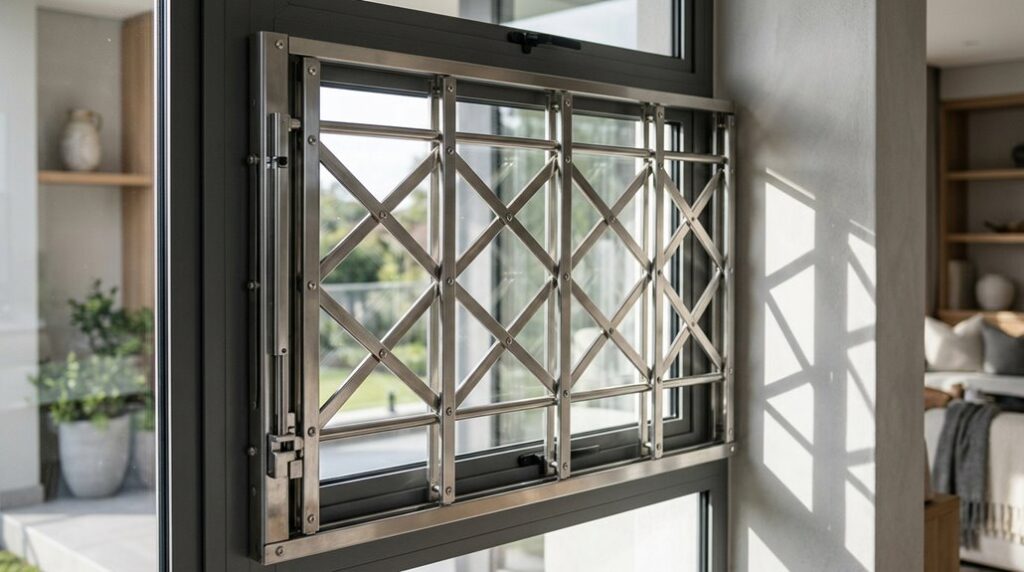
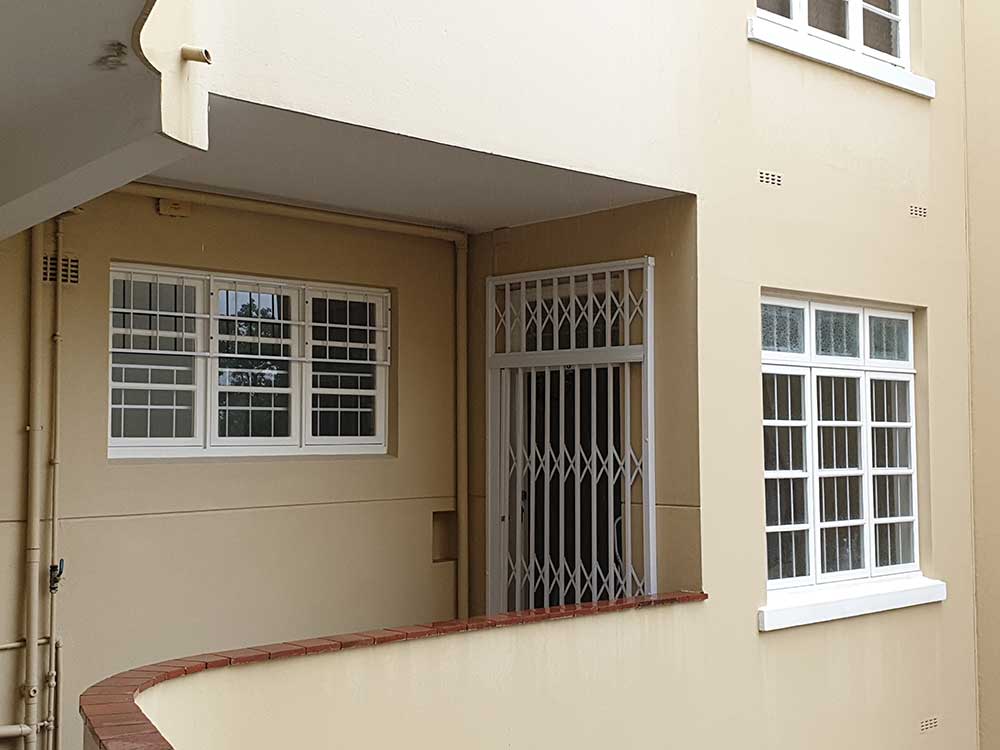
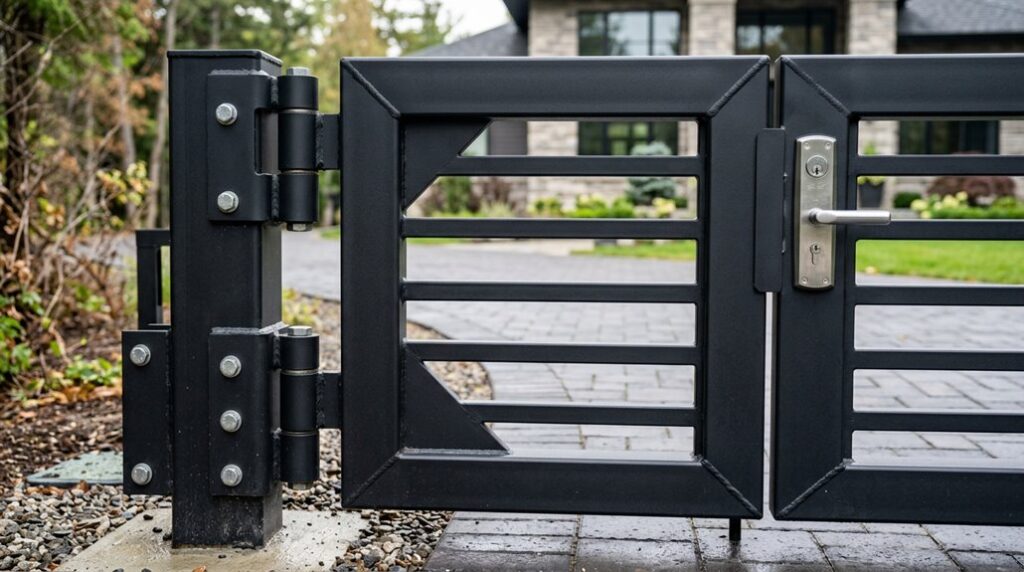
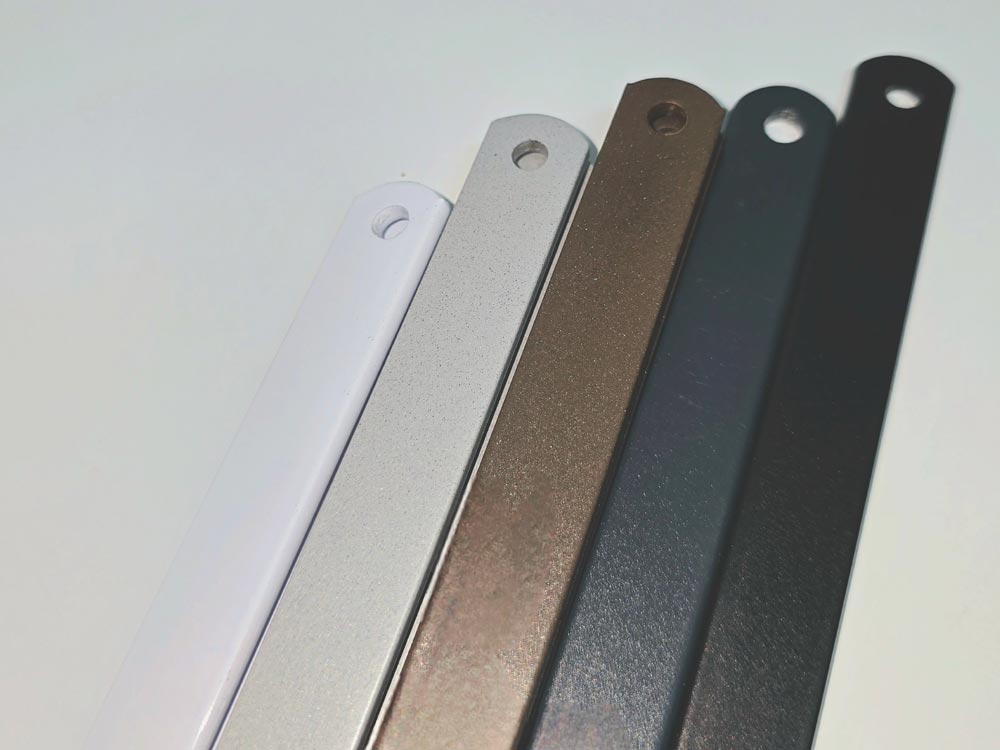



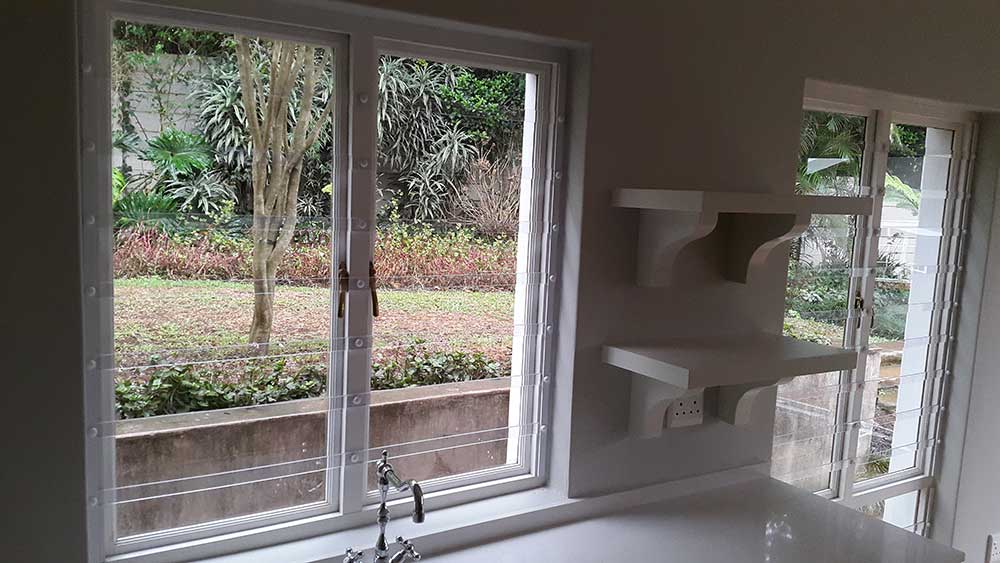
Clear polycarbonate security bars look nearly invisible—but so do their vulnerabilities. Burglars aren’t guessing anymore. They know exactly which tools cut through weak installations: diamond grinders, concentrated heat, and calculated patience. Your “invisible” protection may be more transparent than you think. Before you assume those sleek clear guards are keeping intruders out, you need to know what actually determines whether they hold—or fail.
Understand How Burglars Cut, Heat, and Force Polycarbonate Bars
While polycarbonate bars offer excellent security through their engineering design, understanding how potential intruders might try to breach them helps you appreciate their true protective value.
Can burglars cut polycarbonate bars? Yes, but the process requires specialised tools, technical knowledge, and considerable time. Bolt cutters need multiple positioned pumps rather than one clean cut. Hacksaws work slowly through individual anchor points. Diamond blade angle grinders can cut polycarbonate strips, similar to blades used for ceramic tile.
Applying heat presents another challenge for intruders. Polycarbonate remains stable between -20°C and 140°C, softening under intense heat without fracturing. Propane torches may warm the material, but it remoulds rather than breaks. Cigarette lighters are entirely ineffective. The material’s extreme strength, used in jet aircraft cockpit glazing and bullet-resistant glass, shows why heat alone cannot compromise properly installed bars.
Force attacks also fail against polycarbonate’s tensile strength exceeding 3 tons. The material’s high flexibility prevents cracking under impact. Well-installed bars stop determined intruders attempting entry using forceful methods. For added peace of mind, products manufactured using SABS and UKAS approved materials meet rigorous standards for both strength and durability.
Why Transparent Bars Can’t Stop a Patient Burglar
If your transparent security bars aren’t properly engineered and installed, a patient burglar with the right tools can eventually breach them. You should understand that transparent security isn’t about absolute invulnerability—it’s about deterrence through difficulty.
A determined intruder can cut polycarbonate bars, though the process requires time, noise, and specialist equipment. Your burglar-proofing strategy works because most criminals avoid targets that require extended effort. The laborious nature of breaching properly installed bars increases the likelihood that you’ll catch them mid-attempt. Different polycarbonate types have varying tensile strength, meaning some bars degrade faster due to sun exposure and become easier to breach over time.
Your transparent bars shouldn’t be your only security measure. Combine them with alarm systems, reinforced frames, and robust installation. It’s also important to ensure your bars are designed with fire-escape considerations in mind, particularly for windows in sleeping areas. fire-escape considerations
When engineered correctly with adequate cross-bracing and steel framing, 10 mm polycarbonate becomes near-impossible to breach quickly. You’re creating obstacles that encourage criminals to target easier properties instead.
Mesh vs. Polycarbonate: Which Material Actually Stops Break-Ins?
You’ve learned that properly engineered polycarbonate bars work by making forced entry difficult and time-consuming, forcing criminals to look for easier targets instead. When you compare invisible security options, security mesh delivers better results than polycarbonate in objective security ratings.
Here’s why: Security mesh uses high-tensile woven stainless steel that resists cutting, kicking and prying attempts. When it’s properly installed, mesh units fitted in frames don’t badge or deform under attack pressure. Polycarbonate, by contrast, cold-forms under repeated heavy blows rather than shattering—a quality that sounds protective but actually leaves your frame vulnerable. High-strength security mesh has been shown to withstand blunt-force impacts from tools such as crowbars and pressure cannons, as documented in real-world testing on installed screens.
Individual polycarbonate bars screwed into window frames don’t provide the all-round protection that fully framed mesh units offer. Mesh protects both the glass and the frames, whereas polycarbonate often leaves the frame edges exposed. Reputable security providers use SABS and UKAS approved components to ensure every installation meets verified safety standards. For genuine security across the greater Durban area, framed security mesh provides superior protection tailored to your home’s specific risk level.
Install Mesh Panels as a Transparent Bar Alternative
Beyond individual polycarbonate bars, mesh panels offer a fundamentally different approach to transparent security, combining industrial-grade protection with architectural invisibility.
You’ll appreciate how fully framed mesh units outperform individually screwed security bars. Clear Guard panels integrate seamlessly into your windows and doors without compromising sightlines. The modular design removes the need for lengthy on-site construction, enabling quick installation across your property.
Your installation benefits from three key advantages:
- Industrial-grade woven stainless steel creates a rigid, welded barrier that deters unauthorised access effectively
- Pre-built panels act as plug-and-play solutions, reducing labour time and installation costs significantly
- The virtually invisible mesh maintains unobstructed visibility while providing serious physical deterrence
Unlike solid fencing, transparent mesh panels allow your security staff and cameras to maintain clear views. You’re choosing a solution that works for both temporary and permanent applications. Polycarbonate resin materials used in security installations provide high impact strength, making barriers virtually unbreakable against forced entry attempts.
Wonder Bars designs custom-framed mesh security bars, engineered specifically for South Africa’s demanding requirements. With over 4,000 bespoke security installations completed, Wonder Bars brings proven craftsmanship and reliable expertise to every mesh panel solution they deliver.
Inspect Your Transparent Bars for Thermal and Cut Damage
Regular inspection of your transparent security bars protects your investment and ensures your home remains genuinely secure against both thermal and cutting attacks.
Check for surface scratches or discolouration, which indicate potential material degradation that may affect your barrier’s impact strength.
Look for signs of heat damage, including warping or permanent deformation around window frames or installation points. The fire-retardant polycarbonate material used in authentic security bars resists melting once flame sources are removed, so any deformation suggests either extreme heat exposure or inferior counterfeit products.
Examine mounting bolts and cross braces for looseness or corrosion that could compromise structural integrity.
Run your fingers along the bars to detect rough patches where cutting attempts may have started.
Document any damage with photographs for insurance purposes.
Quality polycarbonate resists UV deterioration effectively, so visible degradation suggests poor material quality. If you suspect your bars are failing, contact a specialist directly through a free personalised quote to assess replacement options before your security is compromised.
Schedule professional assessments annually to maintain security standards.
Wonder Bars inspectors identify vulnerabilities you might miss, ensuring your clear guards remain strong and effective in the long term.