



Most people hang bedroom doors to swing outwards — it feels intuitive, logical, even safer. They’re wrong. Inward-swinging doors create a natural security advantage that standard outward designs simply cannot replicate, and it comes down to three things: hinge placement, strike plate reinforcement, and deadbolt positioning. Together, they form a resistance system most forced-entry attempts can’t defeat. But hardware alone won’t save you — improper positioning quietly cancels every advantage you’ve built in.
Why Inward-Swinging Doors Beat Outward Designs for Bedrooms
When designing secure internal passage gates for bedrooms, you’ll find that inward-swinging doors consistently outperform outward designs across multiple practical and security dimensions.
Inward swing doors maximise your hallway space by eliminating obstructions in high-traffic zones. This layout keeps your passageways uncluttered and improves movement flow throughout your home. You’ll also gain improved front door security benefits, as interior hinges remain hidden from public view and protected against tampering or forced entry attempts. The interior hinges add extra security by making your bedroom less vulnerable to external tampering or break-ins.
Inward configurations also deliver aesthetic advantages. The sleek appearance conceals hinge hardware, creating a cleaner look that blends seamlessly with your architecture. Furthermore, you’ll benefit from emergency accessibility—rescue teams face fewer barriers when accessing rooms quickly during urgent situations. Emergency responders can enter more easily compared with outward-swinging barriers, making this design choice both practical and safety-conscious for residential applications.
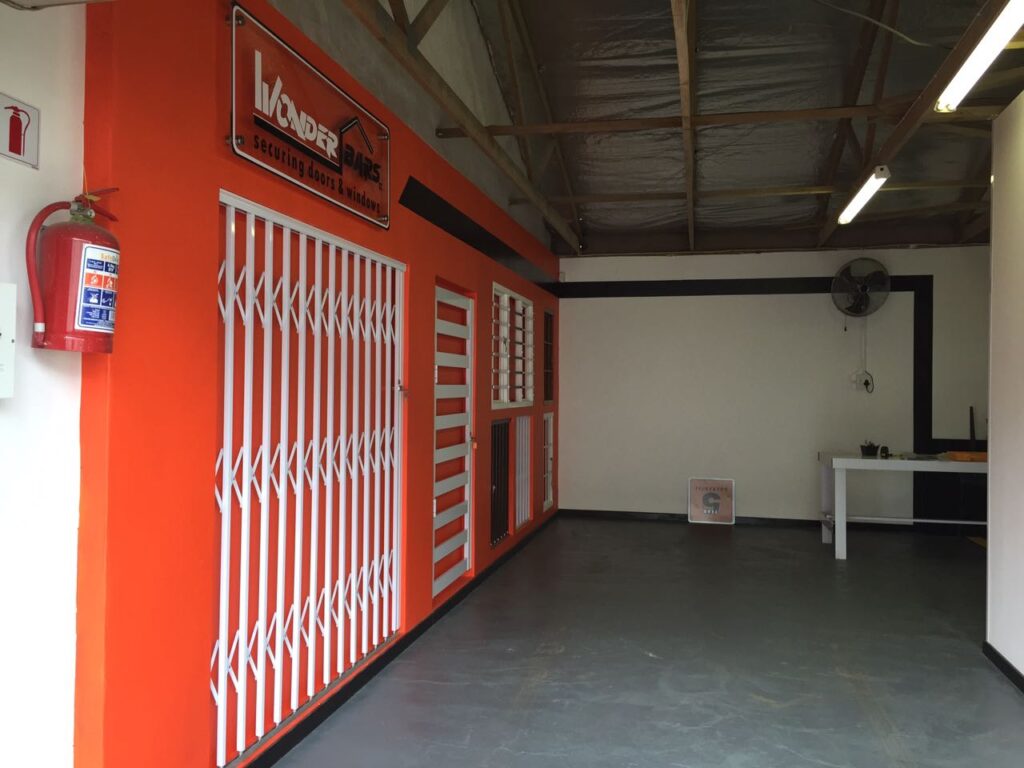
Wonder Bars offers personalised security consultations that assess your home’s unique vulnerabilities and help determine the most suitable swing gate configuration for your specific layout and protection needs.
Security Hinges and Locks That Actually Stop Break-Ins
Standard door handles and lightweight latches won’t stop determined break-in attempts—you’ll need a layered security approach combining high-quality locks, reinforced hinges, and proper installation.
| Security Component | Function |
|---|---|
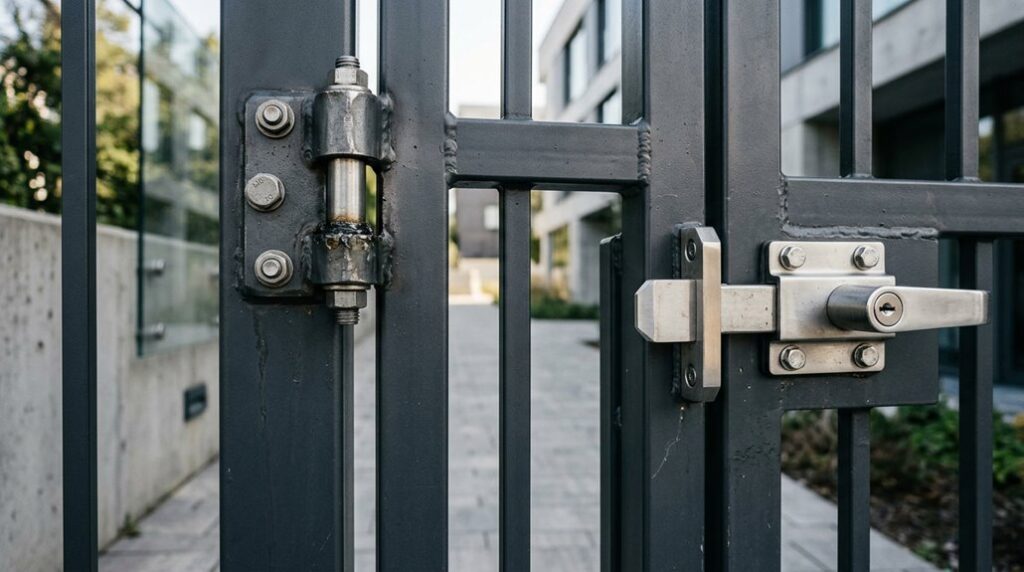
| Deadbolt | Inserts a 1-inch steel bar into the frame |
| Hinge Security Pins | Prevents shearing and removal |
| 3-inch Screws | Ensures structural support |
| Reinforced Strike Plate | Distributes impact pressure |
| High-Security Hinges | Uses expansion set screws |
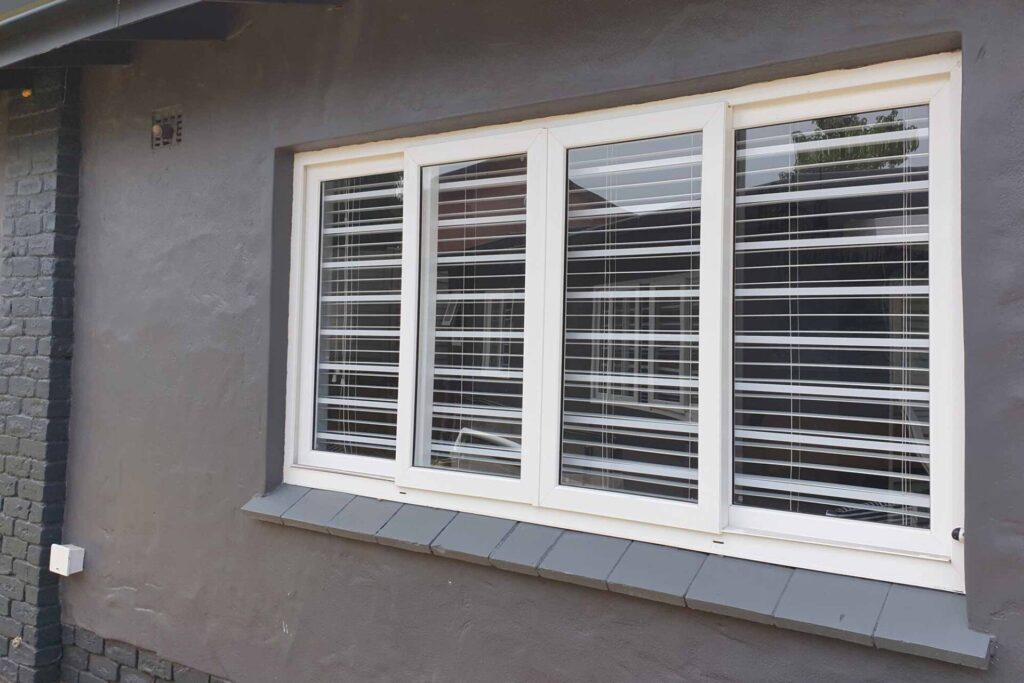
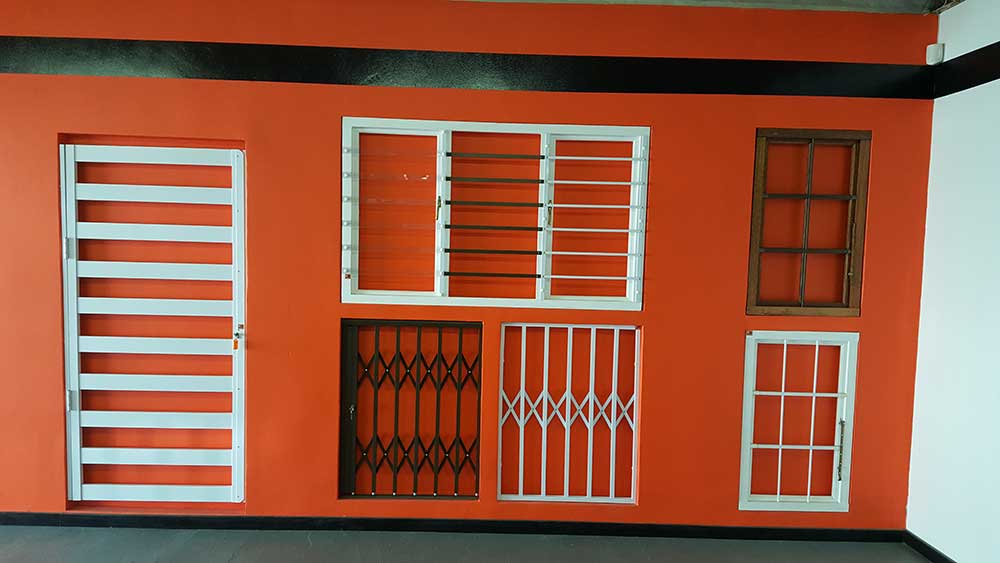
Your door security depends on deadbolts positioned around the handle area where kick-in force concentrates. Pair this with hinge security pins that prevent attackers from removing the door by shearing fasteners. Install 3-inch screws throughout all components. High-quality locks resist picking and drilling. Determined burglars can defeat any single door lock, so never rely on locks alone—combine them with physical reinforcements for complete protection that joins function with polished aesthetics. For windows adjacent to your passage gates, SABS and UKAS approved burglar bars and grilles provide an additional security layer that requires no structural modifications to install.
Bedroom Layout: Positioning Your Door So It Works and Protects
Your bedroom door’s position matters as much as its security components. Strategic placement boosts both functionality and protection within your internal passage space.
Strategic bedroom door placement enhances both functionality and security, making position as critical as the lock itself.
Position your bed diagonally to the door, keeping it visible from the entrance while avoiding direct alignment with your head or feet. This arrangement supports peak swing gate safety and psychological comfort. Install your door to swing inward, drawing energy into the room rather than expelling it outward. The bed as a focal point from your entry sightline reinforces both comfort and security perception.
Maintain a minimum bedroom width of 12 feet to ensure adequate clearance for door movement and furniture placement. Keep thresholds shallow at 12 mm or less to prevent trip hazards. Selecting gates constructed from robust materials for durability ensures your internal passage gate continues to perform reliably over years of daily use.
Place a freestanding shelf or screen between your bed and door to redirect energy flow. Position tall shelves as dividers to conceal your bed from direct sight. These furniture arrangements, combined with your secure internal passage gate, create comprehensive bedroom security and comfort.
Climate Considerations: How Weather Affects Your Door Choice
KwaZulu-Natal’s subtropical climate—with hot, humid summers and mild winters—creates unique challenges for internal passage gates that homeowners in other regions simply don’t face. Your bedroom passage gates experience constant moisture and temperature swings that cause the wood fibres to swell and contract repeatedly.
Solid core doors with engineered composite interiors respond more slowly to these climate changes than hollow alternatives, making them ideal for home security in South Africa. You’ll want to ensure that all six faces of your passage gates are sealed to lock in a consistent moisture response. During the rainy season, apply silicone-based sealant to prevent water ingress. Rooms near exterior walls or laundry areas accelerate door deterioration due to increased humidity exposure.
In drier months, use wood conditioner monthly and keep humidity below 50% with dehumidifiers. These seasonal adjustments help protect your doors against warping and ensure they function reliably all year round. For homeowners seeking additional protection, high-strength materials used in retractable fixtures and passage gates offer superior resistance to both weather-related wear and potential intrusion.
Looking for the perfect match? Finding the ultimate security fit for your doorway shouldn’t feel like standard guesswork. Explore our guide on how to secure your property with custom door security built precisely for your space.
Install Your Door Right: The No-Fail Setup Steps
Proper installation separates a bedroom passage gate that works flawlessly from one that binds, squeaks, or fails to secure.
Start by checking that your door opening is square, level, and free of obstructions.
Confirm that your landing depth meets minimum code requirements: 22 inches for platforms built after early 2017, and 20 inches for older homes.
Centre the door frame within the opening and use shims under the sill to ensure it is level.
Secure the frame firmly by fastening through pre-drilled holes using the manufacturer-specified fixings. For added confidence, choose components that meet SABS and UKAS approved quality standards to help ensure the materials hold up over time.
When fitting the door, fully insert the hinge pins into their sockets on both sides for smooth operation.
Install the SWING Stop with a 1/16 inch gap between its top and the frame header to prevent binding.
Check that the door latches securely into the strike plate when closed.
Make sure the door swings away from any staircase to comply with building regulations and reduce fall hazards.
Wonder Bars Durban and burglar bars KZN specialists recommend testing the anti-barricade function in line with the manufacturer’s instructions.