





Burglar bars are supposed to keep danger out—not trap your family inside. Yet 73% of DIY security installations fail to meet basic building codes, turning a money-saving weekend project into a liability that insurers refuse to cover and inspectors flag for removal. The materials you choose, how you anchor them, and the design itself can mean the difference between protection and a death trap. What professionals know about proper installation might change everything you thought you understood about DIY security.
Why professionals beat DIY burglar bars
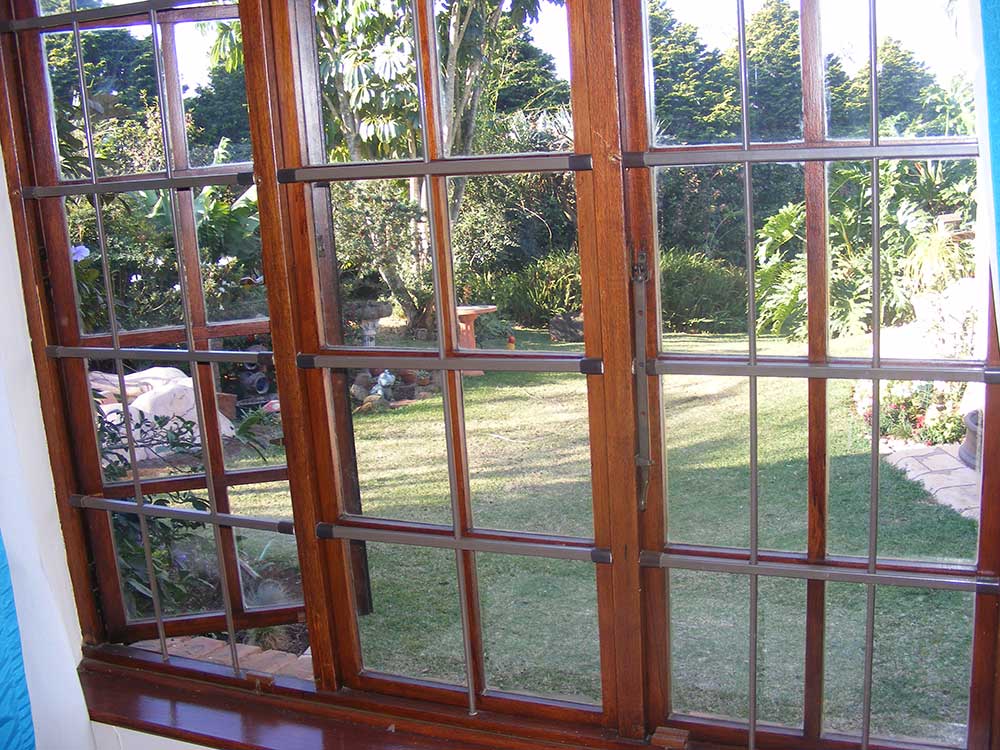
When you’re installing burglar bars, the difference between a professional installation and a DIY approach comes down to structural integrity, precise engineering, and expert knowledge. Professionals anchor the bars to your home’s structure using six to eight distinct fixing points and three to four-inch bolts driven deep into brick or concrete.
You’ll achieve a better result with custom measurements that eliminate vulnerable gaps between crossbars—spaced no more than 15 to 20 inches apart to prevent intrusion. Reputable providers use SABS and UKAS approved materials to ensure every installation meets rigorous standards for strength and durability.
DIY burglar installations often fail under pressure because they rely on estimating measurements and weak frame anchoring. Professional burglar bars KZN providers choose rust-resistant materials suited to local humidity and pair physical barriers with alarm sensors. Professional installations also address fire safety concerns by ensuring alternative escape routes remain accessible—a critical safety consideration that DIY approaches frequently overlook.
When you invest in professional home security solutions in South Africa, you’re choosing long-term durability, compliance with building regulations, and insurance discounts that DIY approaches can’t provide.
How DIY bars become fire traps during emergencies
While burglar bars provide essential security, poorly installed DIY systems create a dangerous paradox: they protect your home from intruders but trap you inside during fires. Your DIY installations often lack approved quick-release mechanisms required for emergency egress. When fires occur, rust and corrosion from inadequate maintenance prevent bars from opening. Fixed or permanently welded burglar bars eliminate any escape possibility regardless of the conditions inside your home. You’re likely unaware that unauthorised bars violate fire safety codes that mandate emergency escape compliance. Approximately 25 civilians die annually when security bars block escape routes. Your guests and family members, unfamiliar with release mechanisms, can’t exit during sudden emergencies. Professional installations include state-approved safety devices, exterior release options, and compliance with building standards. Choosing a provider with a proven track record, such as one with over 4 000 installations, ensures that your security system is both effective and compliant with emergency safety requirements. California Building Code §310.4 requires approved release devices on egress windows in sleeping rooms to ensure occupants can escape during emergencies. This delicate balance between security and safety demands expert craftsmanship.
DIY installation errors burglars exploit
When you measure your window glass instead of the inside frame edges, you’ll end up with bars that are too small to secure properly—creating an easy entry point for intruders. Professional security companies offer free home security assessments to identify exactly these kinds of vulnerabilities before they can be exploited.
Weak anchoring points fail quickly when you skip critical steps like pre-drilling, using tamperproof fasteners, or installing bolts that penetrate deep enough into the frame. Untrained and uncertified installers are significantly more likely to make these critical errors during installation.
These measurement mistakes and poor anchoring choices are exactly the vulnerabilities that burglars actively look for and exploit.
Measurement Mistakes Enable Entry
Measurement mistakes are among the most common DIY installation errors that undermine burglar bar security and create points of entry for intruders. You’ll only discover the hidden risks when measuring window glass instead of the inside frame edges, which leads to oversized bars with dangerous gaps.
Gaps of more than 100mm at the top or bottom allow burglars to reach through and manipulate the latches. Failing to measure the exact width between the left and right frame edges causes the bars to become misaligned, preventing them from locking properly.
Incorrect height measurements from the inside top to the inside bottom result in bars that are too short to secure the opening. Wonder Bars Durban professionals measure the frame thickness to stop the bars from sitting too far forward, which would create leverage points. Using a spirit level helps keep the bars perfectly straight during installation, which is vital for preventing gaps that compromise security.
These precise measurements ensure the bars are installed securely and protect your home effectively against unauthorised entry attempts. Professional services, such as those offered by Wonder Bars, include a free home consultation to assess your specific window dimensions and security requirements before any fabrication begins.
Weak anchoring points fail
Even if you’ve measured your window frame perfectly, your burglar bars won’t protect your home without proper anchoring. Weak anchoring points create vulnerabilities that burglars exploit immediately.
You’ll encounter several critical failures when anchoring isn’t done correctly:
- Using standard wood screws instead of masonry bolts causes immediate pull-out under lateral force
- Installing fewer than six anchoring points concentrates stress on isolated spots, allowing the entire unit to bow outward
- Neglecting the hinge side leaves your opening vulnerable to prying, even if the locking side seems secure
- Shallow bolt penetration of under 3 inches fails to resist leverage attacks on your frame
Professional installations anchor bars 3 to 4 inches deep into structural walls. Your spacing must stay under 700mm between points. Missing top and bottom edge anchors allows burglars to lift bars completely free. Self-drilling screws with plastic washers distribute fastening load more effectively than single-point fasteners. Poor anchoring turns expensive security bars into decorative installations. Unlike DIY attempts, professional swing gate installation ensures robust hinges and secure locking mechanisms are correctly integrated into structural walls from the outset.
Building Codes and Insurance: Why DIY Bars Get Denied
When you install burglar bars yourself, you are responsible for meeting strict building regulations that require emergency escape windows with specific dimensions (20 inches wide, 24 inches high for first-floor windows; 5 square feet of minimum openable area).
Your home insurance will likely refuse any claim and withdraw security discounts if your DIY installation lacks professional certification, proper release mechanisms, or documented compliance with building codes—requirements that building inspectors and insurers demand before validating any security device. In addition, poorly designed security devices can hinder emergency rescue efforts during fires, particularly when installed over bedroom windows and exit doors.
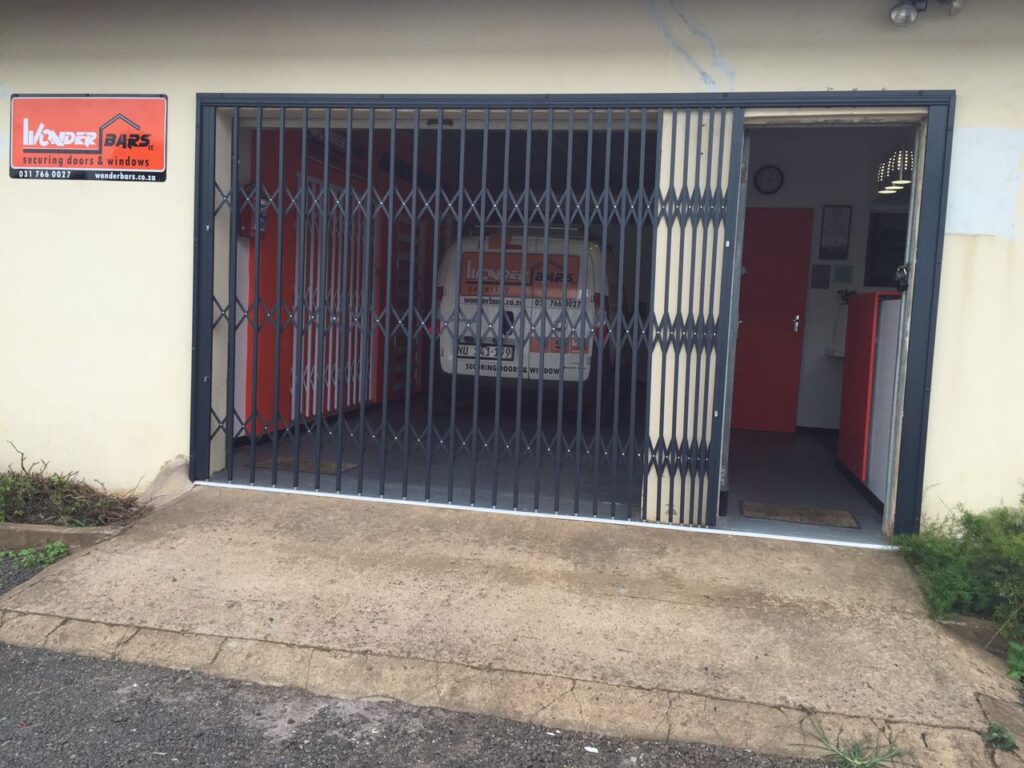
Professional installation comes with testing records and compliance documentation that protect your legal position and your insurance cover, whereas DIY bars without these standards leave you facing potential fines, mandatory removal orders, and rejected theft claims. Unlike rigid DIY installations, retractable trellis doors provide certified locking systems and smooth release mechanisms that meet both building code requirements and insurer standards without compromising emergency egress.
Code compliance and legal penalties
Building codes exist to protect your safety, and they directly affect whether your DIY burglar bar installation is legal in your area. Non-compliance can have serious consequences that you’ll want to avoid.
Understanding local regulations protects your investment. Consider these critical legal concerns:
- Fire egress violations can lead to civil penalties under health and safety codes
- Unopenable bars on emergency windows may trap residents during fires
- Installing without the proper permits creates liability exposure for you and future owners
- Non-compliant installations void insurance coverage and complicate property sales
Your municipality enforces specific standards. Quick-release mechanisms are mandatory in most jurisdictions to allow rapid escape during emergencies. Security bars installed after certain dates require certification from a State Fire Marshal-approved testing laboratory. Burglar bars sold in California must include the packaging warning information specified in regulations to inform consumers about fire safety requirements and the need for local release mechanisms.
Professional installation ensures compliance. Wonder Bars fabricates bespoke solutions that meet all local building codes while maintaining an attractive appearance. Their Durban-based security solutions are available to local homeowners seeking fully compliant burglar bars through a free, personalised quote process. You’ll gain peace of mind knowing your security barriers meet legal requirements and protect your family properly.
Insurance Discounts and Warranty Voidance
Your local building code compliance directly affects your insurance cover and premiums. When you install burglar bars without professional certification, insurers often deny eligibility for discounts entirely. You’ll miss out on potential savings of up to 15% that come with professionally installed systems.
Non-compliant DIY installations trigger automatic warranty voidance from manufacturers. Your insurer may reject claims if the bars lack quick-release mechanisms or block emergency exits, breaching fire safety codes. Insurers require proof of PSA-licensed installation and monitoring certificates—not just installation receipts. Professional providers typically offer a free home security assessment to ensure your installation meets all compliance requirements before any work begins.
Documentation matters substantially. You must provide your insurer with a “Protective Devices” checklist and proof of 24/7 professional monitoring to release discounts. Failing to notify your insurance company about new security features can lead to policy non-compliance. Professional installation protects both your investment and your eligibility for cover. Combining burglar bars with shatterproof windows may further reduce your buildings insurance costs, but only when both components meet code requirements and are professionally installed.
Professional Standards and Testing Requirements
Because DIY burglar bars frequently fail to meet municipal and national safety standards, insurers and building inspectors reject non-compliant installations outright. You’ll face serious consequences when shortcuts replace proper engineering and testing.
Professional standards exist for critical reasons:
- Emergency release mechanisms must be operable from inside without a key, meeting IRC egress standards that your DIY installation is likely to violate
- Testing laboratories recognised by fire marshals must approve all bars, particularly those protecting sleeping areas
- Grid openings must not exceed specific dimensions (2 inches near locking devices, 6 inches for commercial premises), requiring precise calculations
- Interior or exterior mounting rules vary by municipality, and non-compliance results in immediate rejection
When you install bars professionally, you’ll be delighted to know your home meets all the codes. Professional installers understand local requirements, ensuring your security investment gains insurance approval and passes building inspections. Reputable providers use high-quality, durable materials rather than cheap alternatives, so the installations can withstand long-term environmental and physical strain while maintaining compliance with the required standards.
Your peace of mind depends on meeting these standards.
Steel Grade and Spacing Standards You’ll Miss
When you decide to install burglar bars yourself, you’ll encounter technical standards that aren’t optional—they’re engineered safety requirements. These specifications exist because improper installation creates vulnerabilities that compromise your home’s security.
| Specification | DIY Risk | Professional Standard | Impact |
|---|---|---|---|
| Steel Grade | Often unknown | 175 N/mm² minimum | Bars bend or fail under force |
| Bar Diameter | Guesswork common | 20mm minimum | Thin bars pry out easily |
| Spacing Centres | Frequently incorrect | Exactly 100mm | Gaps allow intrusion attempts |
| Square vs. Round | Usually round chosen | Square preferred | Square sections resist twisting better |
You’ll likely miss that square mild steel sections provide greater structural strength than round sections of the same diameter. Uniform 100mm spacing prevents the leverage points burglars exploit. Most DIY installers underestimate these requirements, resulting in systems that fail during actual break-in attempts. Professional standards exist because they’ve been tested against real security threats.
How Poor Bar Design Blocks Emergency Exits
Security bars that don’t account for emergency exits create a dangerous paradox: they protect against break-ins while potentially trapping occupants during fires.
When you install bars without proper design considerations, you reduce critical escape routes to unusable openings.
Improper bar design blocks emergency exits through:
- Narrow spacing that prevents adult bodies from passing through windows safely
- Permanent fixtures that eliminate the required 5.7 ft² clear opening mandated by building codes
- Missing quick-release mechanisms that leave occupants unable to operate exits during emergencies
- Stuck screens and frames that prevent rapid window opening when seconds matter
Professional installations incorporate quick-release devices operable from inside without keys or tools.
These mechanisms comply with the National Fire Protection Association Life Safety Code 101.
DIY approaches often overlook these critical safety requirements, creating egress violations that compromise your family’s safety during fire events.
Professional vs. DIY: Protection and Total Cost
While DIY burglar bars might seem budget-friendly at first, the real cost of protection goes far beyond that initial purchase.
DIY bars from retail stores cost between R400–R960 per window, whereas professional installation ranges from R1,600–R12,800 per window. This apparent saving disappears quickly. Low-quality DIY materials rust or break easily, requiring costly replacements. Premium professional solutions last 20+ years with minimal maintenance.
DIY burglar bars cost R400–R960 per window but deteriorate quickly. Professional installation at R1,600–R12,800 lasts 20+ years with minimal maintenance.
Security gaps can also add up in cost. DIY measurements often leave exploitable gaps between the bars and frames. Professional custom bars are anchored directly to your home’s structure, removing weak points. Poor installation can also affect insurance. DIY bars often fail compliance requirements, which can lead to claim rejections or higher premiums. Professional installations can lower premiums due to proven security standards.
A complete professional system costs R32,000–R128,000 for your home, but provides one-time protection. DIY options require repeated purchases over time, which can ultimately cost more.
Should You Install DIY Bars? A Risk-Benefit Reality Check
As you weigh the R400–R960 savings of DIY burglar bars against professional installation costs, you’re actually facing a choice between temporary cost reduction and lasting home protection.
DIY installation creates compounding risks you’ll carry indefinitely:
- Fire entrapment without interior quick-release mechanisms traps your family during emergencies
- Structural failures from improper anchoring at fewer than six points allow thieves to dislodge bars entirely
- Code violations from missing egress routes invalidate insurance claims when you need them most
- Incorrect crossbar spacing wider than 15–20 inches renders security ineffective against determined intruders
Professional installers understand local building codes, fire safety requirements, and proper anchoring specifications.
They install bars with tested materials and documented compliance.
Your family’s safety and your property’s legal standing depend on expert installation, not amateur shortcuts.