




Baboons will tear through your standard window screen in weeks — sometimes days. Most people assume mesh is mesh, but that logic costs them dearly when a 40-pound primate decides your kitchen smells interesting. The real solution comes down to three specific factors: materials, installation precision, and one critical detail that even experienced installers routinely overlook. Get any one of them wrong, and you’re back to square one.
Will mesh actually stop baboons?
When you install a high-quality mesh screen properly, it will stop baboons effectively. Standard insect screens won’t survive a determined baboon, but reinforced stainless steel mesh resists pulling and chewing actions. Baboons test the barrier once, realise it won’t give, and move on to other locations.
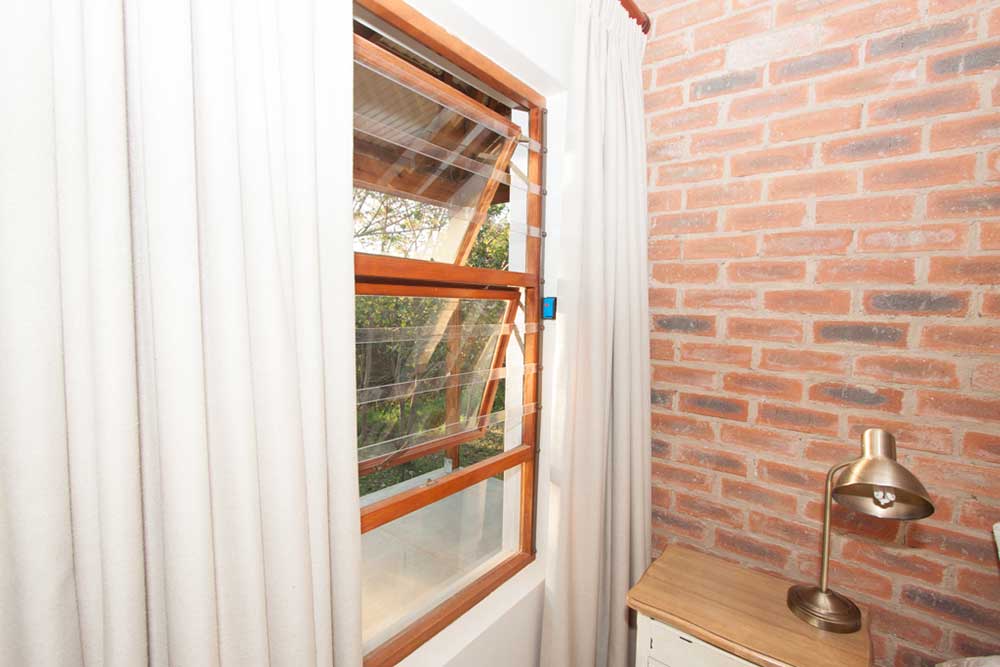
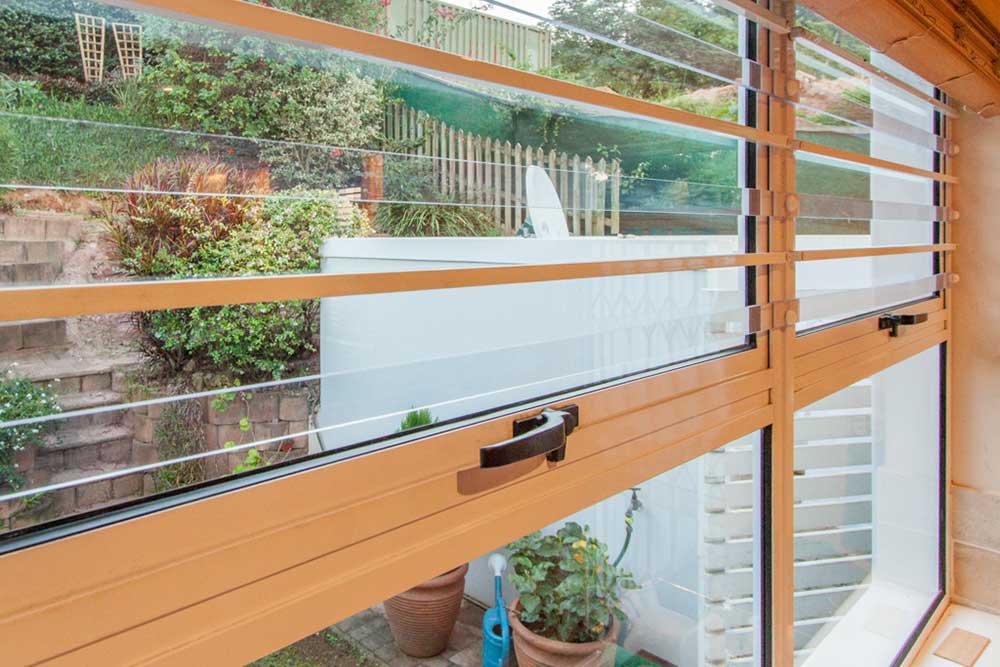
A tight weave is essential. Your proof windows require mesh that resists fingers, claws, and teeth. The frame matters as much as the mesh itself. Weak fixings create fulcrum points that baboons exploit through problem-solving abilities. Secure framing anchored into the window structure prevents screens from being lifted out. Specialists with over 21 years of design and installation experience understand exactly how to anchor frames so no weak points remain. Once installed, mesh screens provide ongoing protection year after year with minimal maintenance required.
When you combine proper mesh with secure installation, you create a barrier baboons can’t defeat. A well-installed system leaves no room for experimentation or manipulation by the animal.
Why Standard Mesh Fails: And What SS316 Changes
Standard insect mesh simply can’t withstand baboon strength, and that’s where most property owners run into trouble. You’ll find that standard screens lack the tensile strength to resist baboon pulling and chewing attempts.
Standard insect mesh lacks the tensile strength to resist baboon pulling and chewing attempts—a critical vulnerability most property owners overlook.
The lightweight weave patterns allow claws and teeth to penetrate easily, while weak frame fixings create leverage points that determined animals exploit repeatedly.
This is where SS316 stainless steel changes everything. You’re looking at superior corrosion resistance, especially in coastal KZN environments where salt accelerates degradation. The reinforced weave prevents baboon fingers from gaining purchase, and secure anchoring eliminates soft points. Research shows that torque failure levels vary significantly between material compositions, with reinforced barriers offering substantially greater resistance to mechanical stress than standard alternatives.
When you mesh standard screens with SS316, the difference becomes clear: standard baboon deterrents fail within months. SS316 maintains tensile integrity and passive effectiveness for years, requiring only occasional rinsing. Importantly, humane deterrent design ensures that animals are discouraged from entering without sustaining injury, aligning with ethical wildlife practices increasingly expected in residential solutions. You’re investing in a barrier that animals eventually abandon because it genuinely frustrates their attempts to get in.
How to install baboon-proof mesh without leaving gaps
Installing SS316 mesh properly determines whether your barrier truly stops baboons or becomes another unsuccessful deterrent.
You’ll measure window frames precisely, calculating exact mesh dimensions with a 1–2 cm overlap on all edges.
Cut the material using tin snips, then clean the surfaces thoroughly to create a flat mounting base.
Position the mesh flush against the surface, eliminating bulges that create entry points.
Mark drilling points directly onto the mesh, aligning with the frame structure for secure attachment.
Insert wall plugs into drilled pilot holes, then fasten the mesh with screws at regular intervals.
Seal perimeter edges and overlaps with silicone caulk, focusing on corners as common weak points.
Trim away any excess material carefully. Window latches and limiters should also be installed with two locks per window to prevent baboons from forcing openings beyond safe dimensions.
For additional reinforcement around entry points, retractable trellis doors provide a robust layer of protection that integrates seamlessly with existing structures while deterring persistent intruders.
Your monkey-proofing and animal-proofing Durban project requires zero gaps larger than a dime.
This installation method delivers the excellent results serious property owners expect.
What Baboon-Proof Windows Cost
Cost is the primary factor homeowners consider when choosing baboon-proof window protection. Custom mesh screens stop baboons effectively but require a significant investment. Individual mesh units cost between R3,000 and R6,000 per window, with full-home installations ranging from R40,000 to R80,000 depending on the number and size of the windows.
Budget-conscious homeowners often choose LockLatch® DIY restrictors instead. These cost under R1,000 per window, totalling less than R9,000 for ten windows—saving R30,000+ compared with mesh screens. LockLatch® needs minimal maintenance because its C304 stainless steel construction resists coastal salt-air corrosion and is backed by a lifetime guarantee.
Other baboon deterrents come with different price points. Adjustable lockable latches cost less than mesh but require two per window. Burglar bars with gaps under 6cm eliminate entry risk through professional installation. Providers offering bespoke security installations can assess your specific window layout and recommend the most effective bar style for excluding primates. Electric fencing is the most expensive perimeter solution and nearly eliminates baboon visits entirely.
Securing gaps that mesh can’t cover alone
While fine mesh screens form the foundation of baboon-proof window protection, they alone cannot seal every vulnerability that determined primates exploit. You’ll need layered defence strategies that combine multiple barrier types to achieve comprehensive security.
Fine mesh screens alone won’t protect windows from determined primates—layered defence strategies combining multiple barrier types are essential.
Standard mesh leaves gaps of more than 3mm at frame edges due to poor installation integrity. Your windows will remain vulnerable unless you reinforce these weak points with supplementary materials. Coated stainless steel or aluminium materials resist rust and corrosion when exposed to outdoor environmental conditions over extended periods.
High-tensile stainless steel (304 or 316-grade) resists gnawing far better than fiberglass alternatives. Hardware cloth fitted behind larger openings provides a superior physical barrier that primates can’t compromise.
Professional installation achieves better sealing than DIY approaches, particularly for eliminating gaps and securing the spline. Mechanical fixings every 12 inches prevent displacement by determined animals. Partnering with specialists who use SABS and UKAS approved components ensures your security materials meet verified industry standards for lasting performance.
This primate-proof approach turns your windows into genuinely secure barriers. You’re combining fine mesh with reinforced materials to eliminate exploitation points completely.