




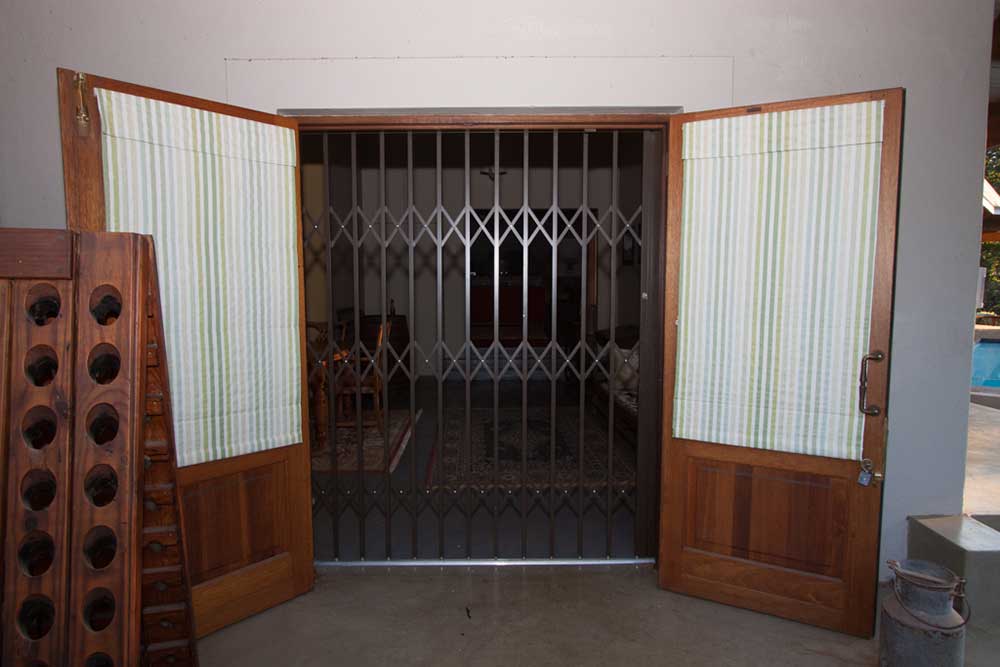
Most double doors are an open invitation — and intruders know it. Weak locks, compromised frames, and exposed hinges make forced entry embarrassingly simple, even against doors that *look* solid. Standard residential hardware was never engineered to stop someone who’s determined. The real answer isn’t one fix — it’s a precise combination of layered reinforcements that transforms your entryway into a genuine deterrent. The upgrades that matter most depend entirely on your specific setup.
Why Double Doors Fail: Understanding the Vulnerabilities
While double doors offer design elegance and functional advantages for larger openings, they introduce multiple security vulnerabilities that single-entry doors don’t present. You’re effectively doubling your entry points, which means more opportunities for unauthorised access if both doors aren’t equally secured.
The centre seam—where the two panels meet—becomes your primary weak point. Standard deadbolts at this meeting point can be compressed easily under hard kicks or shoves, compromising your entire system. Moreover, wear and tear can cause misalignment, creating exploitable gaps over time. Inactive panel flush bolts that slide into bare wood rather than metal receivers significantly amplify this vulnerability.
If one door is used more frequently, uneven security develops between them. The less-secure door becomes the preferred breach vector. Double door systems add more failure points that require specific reinforcement strategies beyond those used for standard single doors. Consulting specialists with over 21 years’ experience in bespoke security design can help identify and address these vulnerabilities before they become exploitable weaknesses.
Reinforce locks and deadbolts to stop forced entry
Now that you grasp how double doors create multiple vulnerability points, you’ll want to address the primary weak link in your system: the locks and deadbolts themselves.
Double doors expose multiple vulnerability points—address this by upgrading your locks and deadbolts first.
Upgrade to ANSI Grade 1 deadbolts certified to withstand 10 strikes of 75 pounds of force and 250,000 operation cycles. Make certain your deadbolt extends at least 1 inch from the door rim.
Replace standard strike plates with heavy-duty versions featuring four to six screw holes, using 3-inch to 3.5-inch coarse-threaded wood screws anchored directly into wall studs. Align the strike plate horizontally and vertically with your original plates to ensure both the latch and deadbolt close tightly without binding.
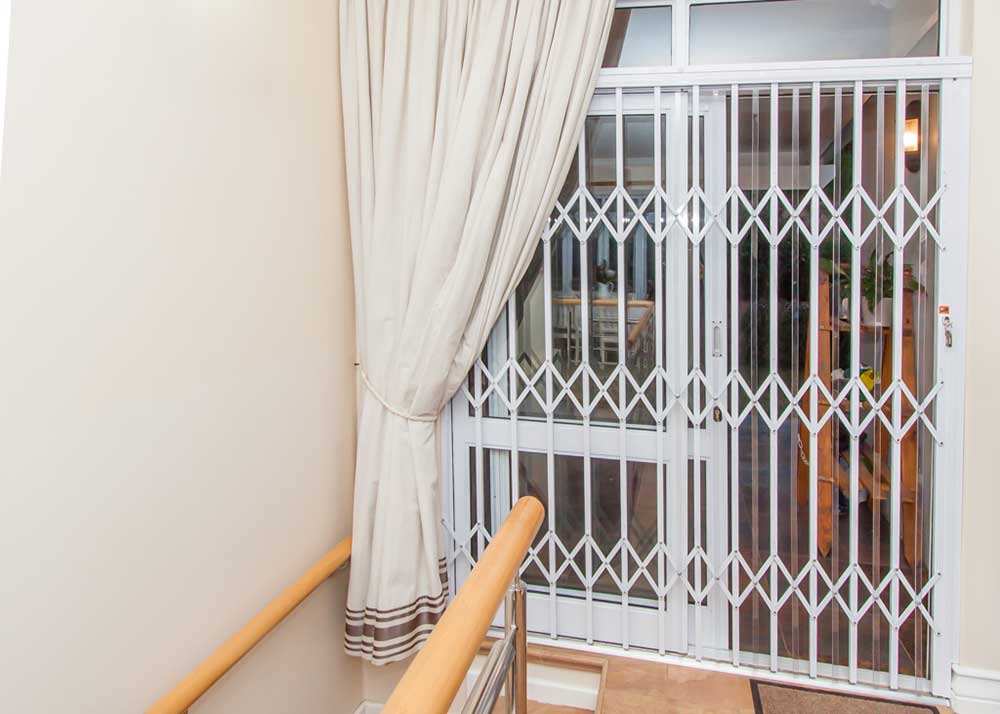
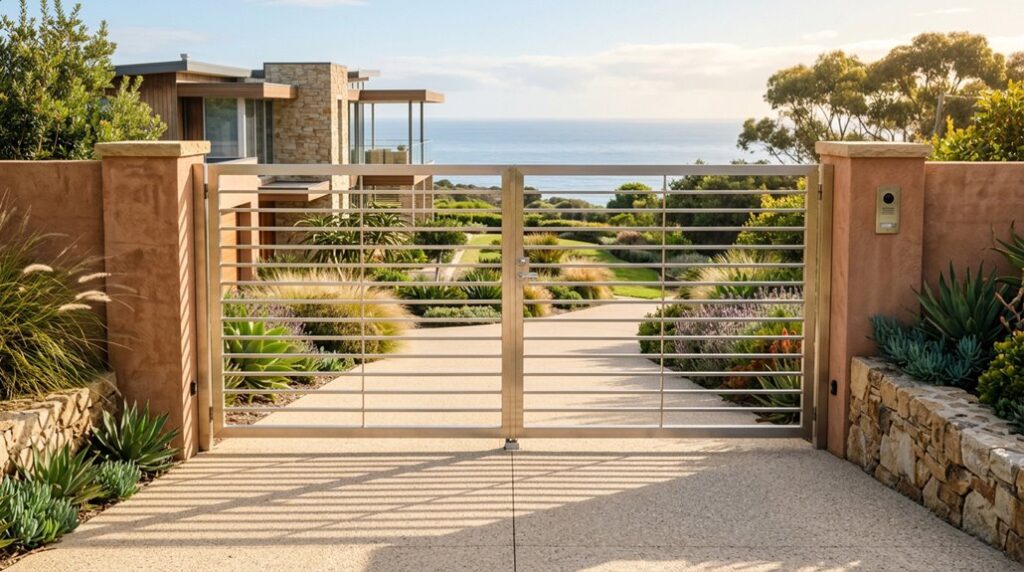
Install hinge shields and jamb armour to protect against drilling and prising. Complement these measures with trellis doors or swing gates to provide an additional physical barrier that delays forced entry at the door threshold itself.
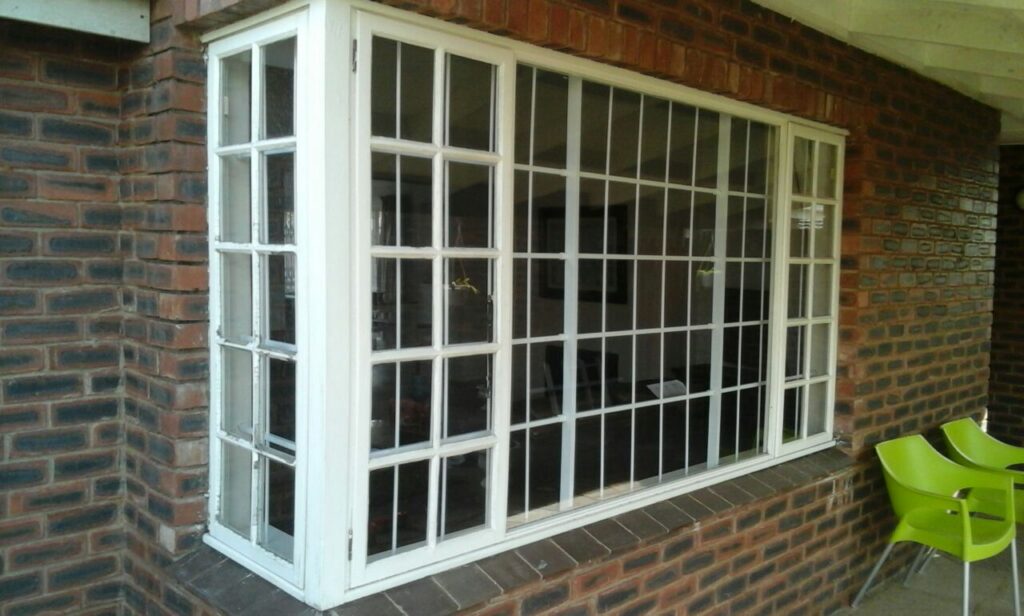
When paired with professional burglar bars KZN installations, reinforced locks create a formidable barrier against forced entry attempts.
Brace Double Doors With Physical Barriers
You can secure your double doors through two primary methods: installing physical security bars that mount to your door frame or wall, and strategically positioning heavy furniture to block entry.
Security bars—whether floor-mounted systems, wall-mounted lock bars, or storm-brace hardware—provide permanent or semi-permanent solutions that don’t require dismantling during emergencies. For professionally manufactured and installed options, suppliers offering custom door security solutions can fabricate bars to your exact door specifications using approved materials backed by workmanship guarantees.
Furniture barricades offer immediate, flexible protection by creating solid physical obstacles across both door panels, though they work best when anchored to prevent shifting under pressure. For enhanced hurricane protection, internal bracing systems using eye bolts and wooden boards can supplement existing bolt mechanisms while remaining usable during non-storm seasons.
Security Bars For Double Doors
Double-door security bars provide a practical physical barrier that converts vulnerable entry points into fortified zones. You’ll find adjustable models ranging from 18.25″ to 47.5″ that accommodate most standard door widths. These bars withstand approximately 400 lbs of pressure, creating a sturdy deterrent in residential settings.
High-grade iron construction with 1.57-inch diameter shafts resists forced entry attempts effectively. Interchangeable caps allow you to secure both hinged double doors and sliding patio doors using a single unit. This versatility means one purchase can protect your front entrance and patio at the same time. For homeowners seeking solutions that preserve architectural integrity and appearance, custom-fabricated bars can be designed to complement existing window and door aesthetics rather than detract from them.
Budget-conscious homeowners appreciate two-pack options that provide immediate coverage without expensive custom installations. Easy-to-use door security mechanisms offer an additional layer of defence against unauthorised entry. Standard iron construction guarantees reliable protection against break-ins for apartments, hotels and guest rooms that require improved security. Models such as the Keperen two-pack achieve 550 lbs of force, providing enhanced resistance compared with standard options.
Furniture Blockade Techniques
While security bars provide a permanent, engineered solution for double-door protection, temporary physical barriers offer immediate reinforcement using items already in your home. You can block an intruder’s access by strategically positioning heavy furniture directly in front of both door wings. Swing gates with robust locking mechanisms offer a more permanent solution when temporary measures are no longer sufficient.
| Furniture Type | Placement Method | Effectiveness |
|---|---|---|
| Couches & Wardrobes | Stack against door | High resistance |
| Desks & Dressers | Position lengthwise | Maximum blockade |
| Chairs | Wedge under handles | Handle immobilisation |
Start with your heaviest pieces first, then layer lighter items on top. Position furniture tightly together to prevent shifting and add supplemental weight. Wedge rigid objects like broomsticks horizontally through handles, anchoring the ends into stable furniture pieces. For outward-opening doors, tie both knobs together using belts, cords, or rope to an anchor point before placing furniture barriers. Test your barricade by attempting to open the door, ensuring it is properly secured. This layered approach creates substantial resistance against external force.
Upgrade Frames, Hinges, and Strike Plates
The foundation of effective double-door security rests on reinforcing the frame, hinges, and strike plates—the critical connection points where doors meet walls. You’ll strengthen your door security in KZN by upgrading these components systematically.
- Replace factory 1-inch screws with 3-inch to 4-inch hardened steel screws that anchor directly into structural studs
- Install heavy-duty steel strike plates thicker than standard models to resist impact and forced entry attempts
- Upgrade to security hinges featuring non-removable pins, preventing intruders from removing doors from their frames
- Reinforce door frames using metal plates or steel channels to distribute force across wider structural areas
These upgrades work together to eliminate weak points. You’ll need to balance mechanical improvements with proper installation techniques. Tighten two hinge screws at a time to maintain door stability during the upgrades. Studies show that over 55% of U.S. burglaries involve forced entry attempts, making these reinforcements essential for comprehensive property protection. For properties requiring additional layered protection, retractable trellis doors offer a high-strength secondary barrier that integrates seamlessly with reinforced frames and existing door hardware. Test closure after installation to confirm smooth lock engagement and tight frame contact.
Protect Glass Panels From Break-Through Attacks
Beyond reinforced frames and upgraded hinges, glass panels represent a critical vulnerability in double-door security. You’ll find several effective solutions to prevent intruder access through glazing.
Glass panels represent a critical vulnerability in double-door security, yet several effective solutions exist to prevent intruder access through glazing.
Security window film holds glass in place after multiple impact attempts. When professionally installed, film costs approximately R65 to R165 per square metre and can be applied to both interior and exterior surfaces for improved protection.
Polycarbonate safety shields create virtually invisible barriers over existing glass. These retrofitted panels prevent shattering and block hand access even if penetrated by sledgehammers or crowbars. Polycarbonate is approximately 250 times stronger than glass, making these panels a popular homeowner choice for comprehensive door security.
You might also upgrade to toughened or burglar-resistant glass, which possess inherent strength against forced entry. Bullet-resistant options withstand multiple impacts from various calibres. For doors in sleeping areas, pairing glass protection with retractable security fixtures ensures occupants maintain a clear escape route in emergencies while still benefiting from robust intrusion resistance.
These glass protection strategies markedly reduce break-through vulnerabilities in your double-door system.
Secure double doors with cameras and alarms
You’ll want to combine strategic camera placement with motion sensors and alarm systems to create a thorough monitoring solution for your double doors.
Position cameras at multiple angles to capture all entry points, while motion sensors trigger immediate alerts when movement’s detected near the doors.
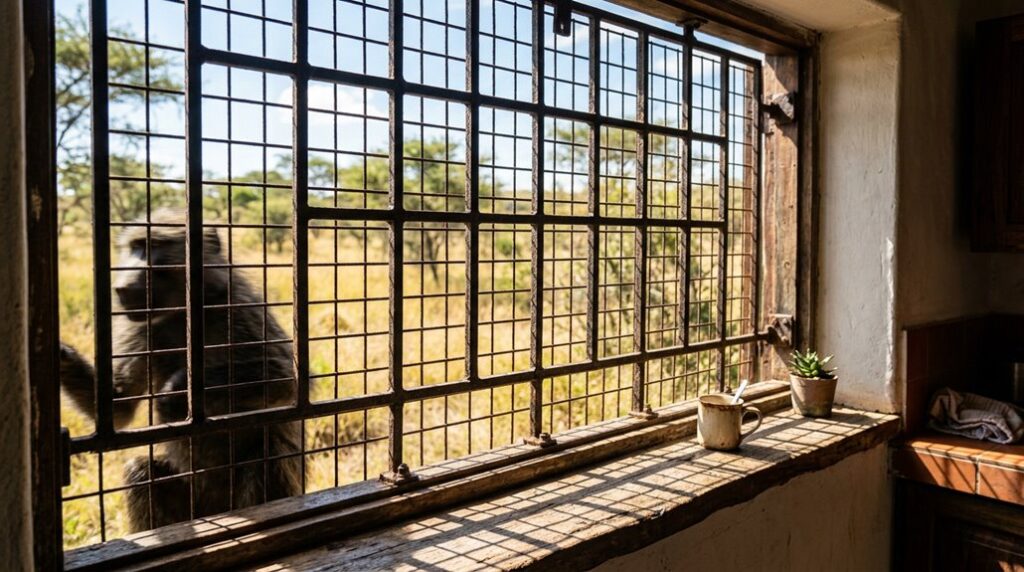
Together, these technologies work seamlessly—sending real-time notifications to your smartphone or security personnel—so you’re notified instantly of any suspicious activity. For properties in wildlife-prone areas, integrating transparent barrier systems alongside your cameras and alarms can deter both human intruders and vervet monkeys without causing harm to local wildlife. For maximum protection, pair these monitoring systems with physical reinforcements such as night lock floor plates that physically barricade your doors against forced entry.
Strategic Camera Placement Tactics
Strategic camera placement forms the foundation of effective double-door security, converting your monitoring system from passive observation into active threat deterrence. You’ll achieve superior home security in South Africa outcomes by positioning cameras strategically around entry points.
Key placement principles:
- Mount front cameras at 4.5 to 5.5 feet high to capture facial details of visitors and intruders
- Position exterior cameras 8 to 10 feet above the ground to prevent tampering while maintaining clear sightlines
- Angle all cameras downward 15 to 30 degrees to focus on ground-level activity rather than the sky
- Install cameras at both the front and back double doors, eliminating single-elevation monitoring gaps
You’ll eliminate blind spots by overlapping adjacent camera zones by 10 to 20 per cent. Test morning and afternoon lighting before finalising placement. Remove obstacles that block visibility of your doorways.
This all-encompassing approach creates layered protection around your property’s most vulnerable access points. Pairing your camera system with retractable trellis doors on double-door entry points adds a formidable physical barrier that significantly slows intruder access, giving surveillance systems more time to capture critical footage.
Motion Sensors And Alerts
While strategic camera placement captures visual evidence, motion sensors and alerts provide the active detection layer that triggers an immediate response to potential intrusions.
You’ll install Passive Infrared (PIR) sensors at 2.1–2.4 metres height with downward angles to detect body heat movement across entry points. These sensors work alongside security gates, creating comprehensive perimeter protection.
Place sensors in hallways and on landings to catch vertical bypass attempts between floors. Avoid positioning facing windows to prevent sunlight-induced false alarms.
Pair PIR sensors with push-to-exit buttons for dual REX requirements on electrical locks. Your system automatically disengages on occupant detection while maintaining a secondary mechanical override with a minimum 30-second delay.
This layered approach combines contact, motion, glass-break, and vibration sensors for maximum detection coverage across your protected spaces.
Alarm System Integration Benefits
Combining alarm systems with CCTV cameras and electronic locks creates a coordinated security network that’s far more effective than isolated components working separately. You gain real-time visibility and automated responses that strengthen your physical security posture considerably.
When these systems integrate, you’ll experience:
- Instant verification: Cameras confirm alarm triggers, reducing false alerts and enabling faster decision-making
- Automatic lockdown: Doors lock immediately when alarms activate, denying intruders access before they advance
- Centralised control: Manage all security features from one dashboard, streamlining operations and reducing staff workload
- Rapid response: Real-time data flow between systems enables your security team to respond within seconds rather than minutes
This integrated approach turns your double-door entry into an intelligent barrier that deters intruders and catches threats early. You’ll invest in thorough protection that scales with your security needs.
Choose Steel or Impact-Rated Doors for Durability
When you’re selecting doors for your home or business, the material you choose directly impacts both security and longevity. Steel doors offer superior performance compared to fibreglass alternatives. They withstand forced entry, harsh weather conditions including heavy rain and strong winds, and last 30 to 40 years with minimal maintenance. Impact-rated doors provide additional benefits by resisting wind speeds up to 150 mph and flying debris through reinforced glass and strengthened frames. Steel doors also deliver excellent fire ratings—up to three hours—and meet blast resistance standards.
Fibreglass doors, by contrast, typically last only 15 to 20 years and crack under physical force. For Durban residents seeking durable double door security, Wonder Bars Durban fabricates custom steel solutions that blend aesthetic appeal with reliable protection, ensuring your investment delivers decades of dependable service.
Looking for the perfect match? Finding the ultimate security fit for your doorway shouldn’t feel like standard guesswork. Explore our guide on how to secure your property with custom door security built precisely for your space.