




Your kitchen windows are silently working against you—luring birds and wildlife into dangerous, sometimes fatal collisions. Those beautiful glass panes don’t just let in light; they broadcast deceptive reflections that convince animals an open pathway exists where solid glass stands. The result? Repeated strikes, startled wildlife, and a problem most homeowners never think to address. But eliminating these hazards is far simpler than you’d expect.
Why kitchen windows attract birds and wildlife
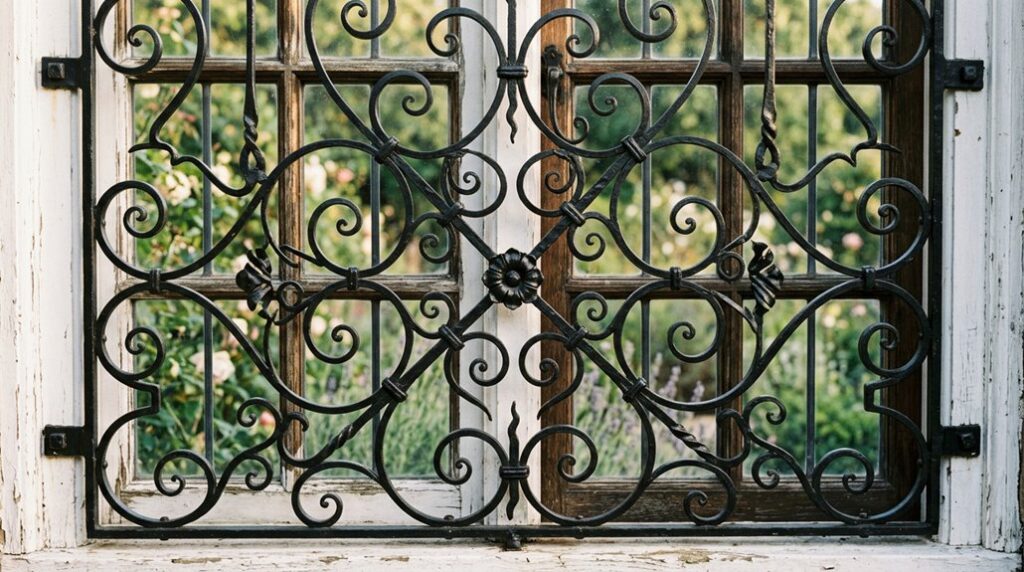
Kitchen windows frequently become entry points for birds and wildlife because they create visual illusions that confuse animal wayfinding. Large panoramic windows reflect trees, sky, and greenery, mimicking continuous flight paths that birds attempt to follow. Pairing windows positioned at right angles produces complex reflections that obscure spatial limits. Installing bespoke burglar bars designed to fit your windows without structural modifications can reduce exposed open glass while maintaining the integrity of your home’s appearance.
Clear glass allows animals to see houseplants and food sources inside your home, triggering instinctive foraging behaviour. Windows on opposite walls create bright visual passages that suggest open routes through your residence.
Outdoor feeders and birdbaths placed near kitchen windows intensify attraction, drawing wildlife into immediate danger zones. Bright interior lighting visible through unshielded windows further lures birds, particularly during migration seasons from April to June and August to November. Security solutions such as protective window films can help prevent collisions by making glass more visible to wildlife.
Taken together, these factors turn your kitchen windows into high-risk areas for wildlife collisions.
Stop Window Reflections Before They Cause Strikes
You’ll reduce window strikes by addressing three critical factors: minimising reflective glare that creates the illusion of open sky, applying protective films or markings that interrupt reflections, and maintaining slightly dirty surfaces that naturally scatter light.
The most effective approach combines these methods—for example, applying exterior markings using the 2×4 rule (2 inches horizontally, 4 inches vertically) while allowing natural dust to build up between cleanings. Behaviour can become ingrained, so consistent prevention measures ensure birds don’t develop persistent attacking patterns at your windows.
Your kitchen windows will become visibly safer barriers rather than invisible hazards, protecting the wildlife on your KZN property without compromising your view or your home’s aesthetic appeal. For properties where foraging animals pose a broader threat beyond window strikes, exploring custom security solutions that blend protection with aesthetic appeal can address multiple vulnerabilities in a single, cohesive approach.
Reducing reflective glare
While wildlife exclusion barriers form the foundation of window security, managing reflective glare offers an equally important layer of protection. Your kitchen windows can create unintended reflections that confuse foraging animals, potentially leading to dangerous strikes against mesh screens and barriers.
You can reduce reflective glare through strategic adjustments. Install exterior shade structures, awnings, or dense vegetation outside windows to block direct sunlight. Indoors, use Venetian blinds, roller shades, or cellular shades to control the amount of light entering. Replace glossy surfaces with matt finishes on floors and furniture, and add rugs or tablecloths to absorb reflections. Light-coloured interiors help create a more open, airy feel while making glare less noticeable.
Position interior lighting away from windows. Use lower-watt LED bulbs with warm colour temperatures and fit dimmers to adjust brightness. Install under-cabinet lights with opal diffusers, angled to prevent harsh reflections on work surfaces. For properties in areas where wildlife is common, combining these glare-reduction strategies with bespoke security installations ensures both animals and household members remain protected without compromising the kitchen’s visual appeal. These coordinated measures significantly reduce confusion and protect both the look of your kitchen and wildlife safety.
Applying Protective Films
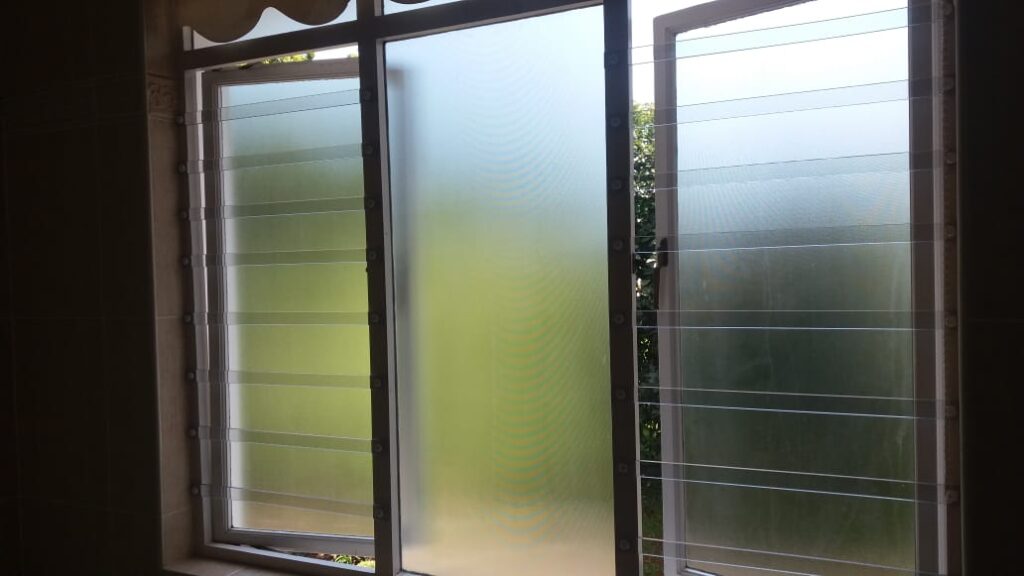
Protective window films offer a practical solution to eliminate reflective glare and prevent wildlife strikes on your kitchen windows. You should apply heat-resistant frosted films specifically designed for kitchen environments where cooking steam and high temperatures occur regularly.
Start by cleaning your glass thoroughly. Mix water with one teaspoon of baby shampoo in a spray bottle. Wet both the glass and the film’s adhesive side before positioning it carefully. For properties in KwaZulu-Natal where vervet monkeys are prevalent, pairing window films with vervet monkey proofing solutions provides a comprehensive barrier against persistent wildlife intrusion.
Use a polyethylene squeegee to force water out from the centre, eliminating air bubbles completely. Trim the film to be approximately 1 inch larger than your glass using a snap-off razor blade, maintaining a barely noticeable gap around all edges. BDF Security & Safety Films absorb impact from external forces while holding shattered glass in place during wildlife collisions.
Allow 30 days for full bonding. Initial bonding begins at 7 days. Avoid cleaning during this period to achieve successful wildlife securing.
Maintaining Dirty Surfaces
Once your protective films are bonded and set, the real work of long-term window security begins with understanding how dirty surfaces undermine your efforts.
Kitchen windows collect grease, hard-water stains, and smoke residue that increase light refraction. These deposits create reflections that confuse wildlife, triggering collision strikes.
To maintain your animal-proofing Durban investment, set up a regular cleaning schedule.
Carry out these maintenance strategies:
- Mix equal parts vinegar and water to dissolve grease build-up without leaving residue
- Use microfiber cloths with circular motions to lift dirt without scratching the glass
- Use squeegees in figure-eight patterns from top to bottom for efficient drying
Clean on overcast days to prevent rapid evaporation, which can cause streaks.
Interior lighting positioned near windows can intensify reflections on dirty surfaces. Consistent maintenance helps prevent permanent deterioration of your protective systems and ensures lasting security effectiveness. For properties in wildlife-prone areas, pairing clean windows with transparent barrier options helps deter vervet monkeys without blocking natural light or your outdoor views.
Quick Wins: Relocate Feeders and Remove Attractants
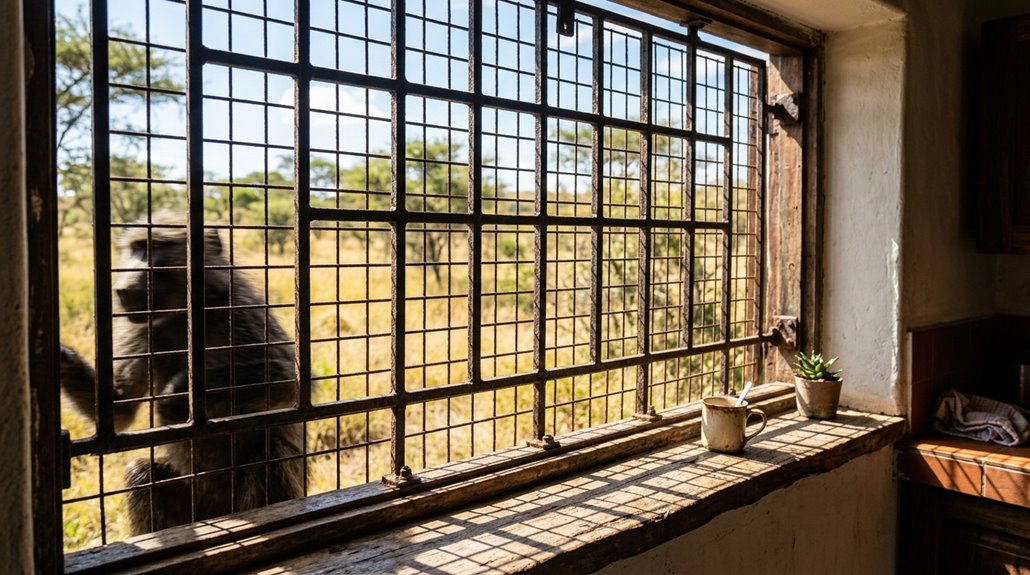
You’ll achieve quick, measurable results by moving bird feeders away from your kitchen windows, removing outdoor food sources that attract wildlife, and keeping pet food indoors so that vervet monkeys and baboons can’t access it.
These three actions work together to reduce the animals’ motivation to approach your home’s glass surfaces.
When you remove the food reward, you remove the reason wildlife ventures near your windows in the first place. For properties in wildlife-prone areas, retractable window fixtures provide an additional physical barrier that deters intrusion while maintaining ventilation and preserving the appearance of your home.
Bird feeders away from glass
Bird feeders positioned near windows create a paradox: they attract the wildlife you want to observe while simultaneously putting birds at risk of striking glass. You’ll want to apply the “Rule of 3 or 30” guideline when positioning feeders around your home. This principle helps you avoid the danger zone where foraging wildlife can accelerate but can’t correct its course in time.
Consider these strategic placements:
- Position feeders within 3 feet of windows so birds can’t build dangerous speed
- Place feeders at least 30 feet away to give birds sufficient distance to recognise the window
- Install suction-cup feeders directly on glass as the safest window-mounted option
Clean your windows thoroughly with water only before attaching suction cups. Apply a small amount of cooking oil to the suction-cup rim for improved grip. Push the feeder firmly into the centre of the window for the strongest hold. For properties in wildlife-rich areas, pairing feeder placement strategies with secure locking systems on entry points like gates and doors can further prevent unwanted animal access to your home.
Eliminating Outdoor Food Sources
Attractants around the exterior of your home actively draw vervet monkeys, baboons, and rodents toward your kitchen windows and structures. You must eliminate these food sources to stop foraging wildlife from targeting your property.
Remove fallen fruit immediately from the ground. Rake up nuts that drop from trees near buildings regularly. Secure rubbish bins with firmly fastened lids or store them in sealed locations until collection day.
Manage compost carefully by enclosing piles in framed boxes lined with hardware cloth. Never compost meat products or cooked food. Turn the compost regularly to prevent rodents from nesting.
Clear up any spilled bird seed beneath feeders consistently. Store unused seed in heavy-duty, sealed containers indoors. Eliminate standing water sources, including bird baths and fountains.
These targeted actions remove the environmental conditions that attract problem wildlife to your kitchen area. For properties in persistent high-risk zones, vervet monkey proofing solutions can provide an additional layer of structural deterrence beyond basic attractant removal.
Securing pet food inside
Pet food storage is one of the most direct ways to stop wildlife and rodents from targeting your kitchen area. You’ll protect your home and family by putting in place simple storage practices that remove attractants.
Quick wins for securing pet food:
- Store kibble in sealed, airtight containers with close-fitting lids rather than the original packaging, which rodents can easily chew through
- Place containers on raised shelves away from walls and floors where pests tend to hide
- Remove feeding bowls immediately after meals, and bring any outdoor dishes inside before dark
You should clean feeding areas every day, sweeping up spills and crumbs that let wildlife know food is available. Wash food bowls after each use to remove scent trails. These practical home security measures in South Africa work together to create an environment where foraging animals have no reason to investigate your kitchen windows or interior spaces. For kitchen windows that remain vulnerable to persistent wildlife intrusion, cottage pane burglar bars offer a bespoke security solution that preserves your home’s architectural character while preventing animals from gaining access.
Deter Strikes With Window Markings and Decals
When you install window markings and decals on the exterior glass surfaces of your home, you’re creating a visible barrier that prevents birds from colliding with reflective glass. You must apply decals to the outside of your kitchen windows, as interior placement proves ineffective due to reflections obscuring the patterns from the bird’s viewpoint.
Follow the “two by two” rule: space markings 2 inches horizontally and 2 inches vertically across the entire glass surface. This spacing prevents even small birds like hummingbirds from perceiving gaps they can fly through.
Select high-contrast designs, particularly white stripes or black silhouettes, measuring at least ¼ inch in diameter. Use durable, weather-resistant materials designed for outdoor exposure. Thorough coverage of your securing kitchen windows guarantees maximum protection and delivers great results in reducing strike incidents.
Install physical barriers to block entry and prevent impact
Physical barriers form the foundation of effective wildlife exclusion around your kitchen windows and home perimeter. You’ll combine multiple protective layers to create a thorough defence system that stops both entry and impact damage.
Your installation strategy includes:
- Mesh screening with ¼ inch or smaller holes, secured using screws to eliminate gaps where animals pass through
- Wire mesh barriers bured 6–12 inches underground to prevent tunnelling beneath window-level defences
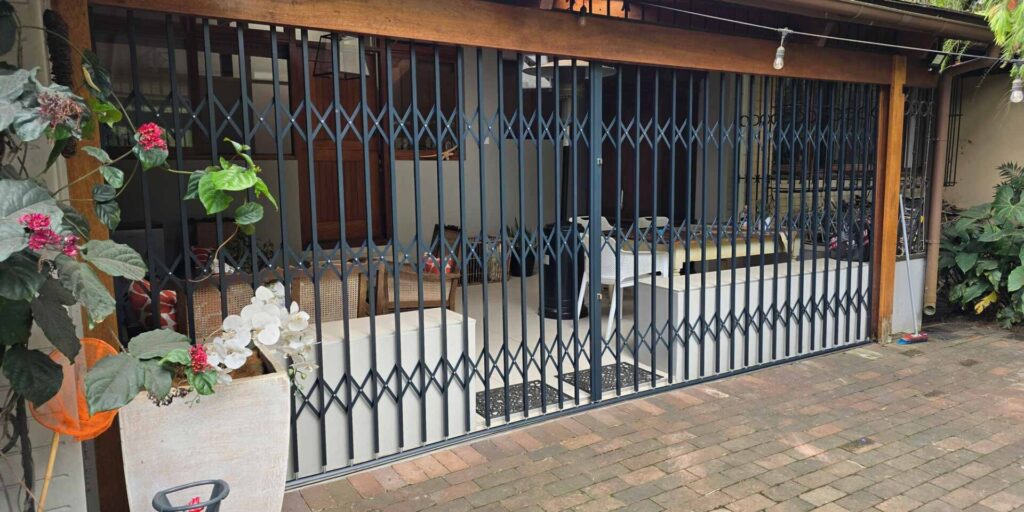
- Burglar bars KZN professionals recommend pairing with mesh for bolstered structural integrity and aesthetic appeal
You’ll apply caulking around all mesh installations to seal openings as small as a dime. This combination approach addresses how vervet monkeys and baboons attempt entry—climbing, jumping, and digging.
Regular inspections catch damage immediately, maintaining your barrier’s effectiveness long-term.
Keep Your Defences Working: Seasonal Maintenance Guide
Your security barriers and window defences require consistent seasonal maintenance to remain effective against wildlife intrusion and environmental damage. You’ll protect your investment by following a structured maintenance schedule throughout the year.
| Season | Task | Benefit |
|---|---|---|
| Winter | Inspect seals and reapply weatherproof caulk | Prevents air leaks and moisture damage |
| Spring | Clean frames and trim surrounding vegetation | Removes debris and reduces impact damage |
| Summer | Test locks and lubricate hinges | Ensures wildlife guards operate smoothly |
| Autumn | Check perimeter seals and drainage holes | Identifies cracks before winter arrives |
You’ll be delighted to find that regular upkeep significantly extends the lifespan of your barriers. Clean glass, tracks, and frames monthly to remove grime. Wipe condensation promptly to prevent mould growth. Tighten any loose screws on handles and casement stays. Arrange professional inspections annually to address hard-to-reach areas. This disciplined approach keeps your kitchen windows secure against foraging wildlife year-round.