





Most Durban homeowners fit burglar guards and feel safe. They shouldn’t. Coastal salt air corrodes standard steel within months, KZN’s unique window configurations create hidden blind spots, and generic security solutions consistently miss the access points burglars exploit first. Before you spend a single rand on protection that may fail you, there are five critical evaluation checkpoints every KZN property owner needs to understand.
Why Off-the-Shelf Security Plans Fail Durban Properties
Because standard burglar guards aren’t designed for Durban’s unique environmental and structural conditions, they frequently fail to deliver the security and durability homeowners expect.
Standard burglar guards fail Durban homes due to unique environmental and structural conditions homeowners simply cannot ignore.
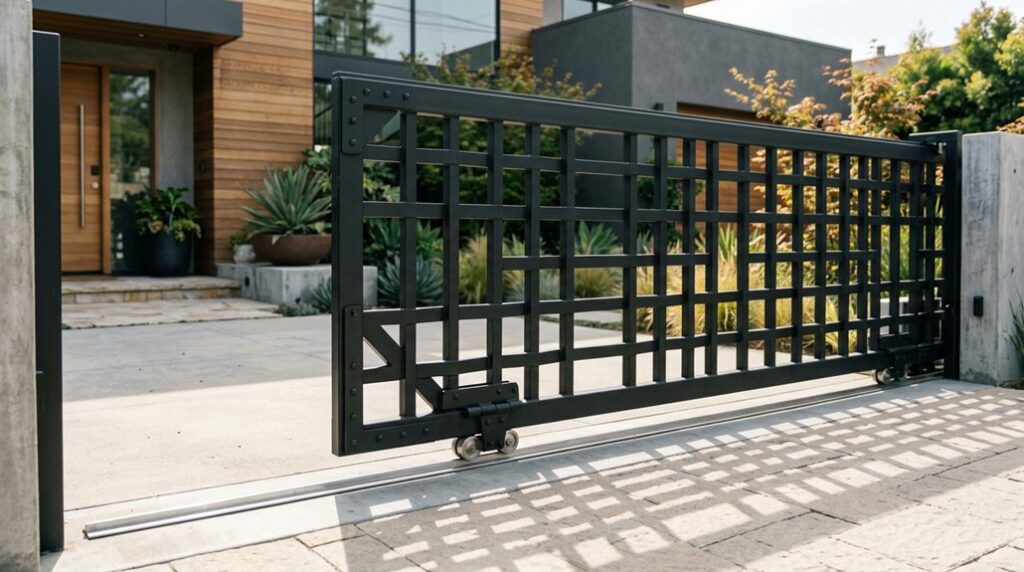
Off-the-shelf burglar bars KZN installations ignore critical local factors. Standard dimensions don’t accommodate Durban’s high-humidity timber frames or coastal roof overhangs that create hidden entry zones. Generic plastic components degrade rapidly under intense UV exposure, while non-corrosive coatings corrode within 18 months in salt air.
Your home security South Africa requirements demand customisation. Mass-produced units lack proper ventilation channels for coastal airflow and fail during humidity spikes exceeding 90%. Standard heights (1.8m) prove insufficient against regional climbing techniques, and generic latches remain vulnerable to local bolt-cutter methods.
The result: 68% of Durban homeowners modify off-the-shelf guards within 12 months, averaging retrofit costs exceeding R4,500. By contrast, providers offering bespoke security installations build guards to exact architectural specifications, ensuring compatibility with the diverse frame types, materials and structural layouts found across KZN properties.
Five Security Checkpoints That Separate Good Quotes From Bad Ones
When you’re evaluating burglar guard quotes, you’ll notice that suppliers often gloss over how their security personnel align with your property’s specific needs—but this operational detail directly affects how effective your protection is.
Your quotes should clearly set out the guard deployment structure (fixed positions versus mobile patrols) and the shift pattern matching (whether coverage aligns with your home’s highest-risk hours, typically between 18:00 and 06:00).
A good quote won’t hide these details; it will transparently link the recommended guard strategy to your property layout and daily routine, so you can assess whether the proposed security approach actually addresses your vulnerabilities. For properties that require permanent installation solutions, many Durban security providers complement guard services with custom-made burglar bars that provide 24/7 protection without ongoing staffing costs.
Reputable suppliers will also back their recommendations with SABS and UKAS-approved materials, ensuring that any physical security products installed on your property meet recognised standards for durability and structural integrity.
Guard Deployment Structure Alignment
Most homeowners don’t realise that the quality of burglar guard quotes can vary dramatically depending on placement structure—the model that determines how guards are positioned, scheduled, and coordinated across your property.
When you’re assessing burglar guard options in Durban, you’re essentially evaluating whether a company understands five critical checkpoints. These checkpoints indicate placement alignment: coverage continuity, response time protocols, physical barrier integration, risk-based manpower allocation, and verification audits.
A strong placement structure eliminates blind spots between your burglar bars and gates. It ensures shift changes occur within five minutes, preventing infiltration during handover periods. Wonder Bars Durban partners with security providers who align guard positioning with installed physical barriers for maximum effectiveness. Our SupaGuard™ burglar bars, made from 12mm solid square bar with a patented boot system fixation, work seamlessly with professional guard deployment for enhanced security outcomes.
Your quote should specify the number of personnel, patrol routes, and real-time communication systems. Without explicit placement details, you’re comparing like with like across Durban’s competitive security market. To benchmark your quote against a verified standard, request a personalised security quote directly from a Durban-based provider that combines physical barriers with structured deployment planning.
Shift Pattern Operational Matching
Shift pattern operational matching separates professional security quotes from amateur ones—it’s the difference between guards who stay sharp and guards who make mistakes because they’re exhausted.
When evaluating quotes, examine how providers structure their rotations.
The best shift patterns incorporate forward rotation principles, moving guards from morning to afternoon to night shifts. This aligns with natural circadian rhythms and maintains alertness. Compliance with 10-hour minimum breaks between shifts ensures guards meet legal requirements under Australian security regulations while reducing fatigue-related errors.
Verify that proposals include 12-hour rest periods between shifts and avoid consecutive night rotations that cause burnout.
Check whether quotes specify 2–2–3 patterns (two days on, two off, three on) or 4-on/4-off schedules. These balanced structures guarantee consistent coverage while protecting guard wellbeing.
Request clarity on handover protocols—quality providers allocate 15–30 minute overlaps between shifts for proper information transfer and key exchanges. This prevents critical security gaps and missed incident circumstances that compromise your property protection.
How Vulnerable Access Points Determine Guard Placement
You’ll find that effective burglar guard placement begins with identifying which entry points on your property face the greatest risk—patio doors, balcony access, and ground-floor windows represent your primary vulnerabilities.
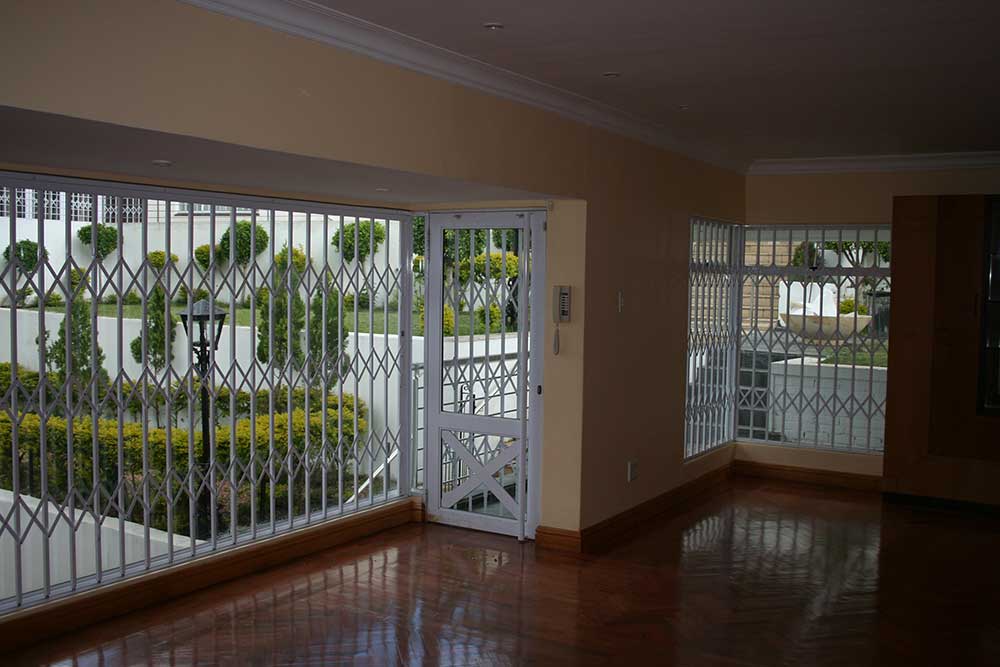
Mapping these weak spots shows where guards must focus their coverage to address the 80% of forced entries that take place through these particular access points. For patio and garden access points, retractable trellis doors provide a security solution that combines robust protection with seamless retraction mechanisms, ensuring coverage without compromising access to your space.
Strategic positioning requires you to take account of both direct street visibility and blind spots that burglars exploit, ensuring your guards create seamless protection across all potential entry routes. However, experienced syndicates often gain access via upper floors or the roof rather than focusing solely on ground-level defences, making a vertical vulnerability assessment equally critical to your overall guard deployment strategy.
Mapping Entry Points And Vulnerabilities
Before you can protect your home effectively, you need to understand where burglars actually strike.
Eighty percent of forced entries take place through patio or balcony doors and windows.
In apartments, front entrance doors account for over 50% of break-ins, with roughly one-third happening on the ground floor.
Burglars target front doors, first-floor windows, and back doors as primary access points.
Understanding these patterns helps you prioritise guard placement strategically.
Secondary weak spots also require equal attention.
Garages act as initial attack points where intruders gain access to tools.
Side gates, overgrown hedges, and accessible tree branches provide concealment and climbing routes.
Rear and side entry points are often targeted first because burglars prefer obscured locations away from street visibility where they can work without being observed.
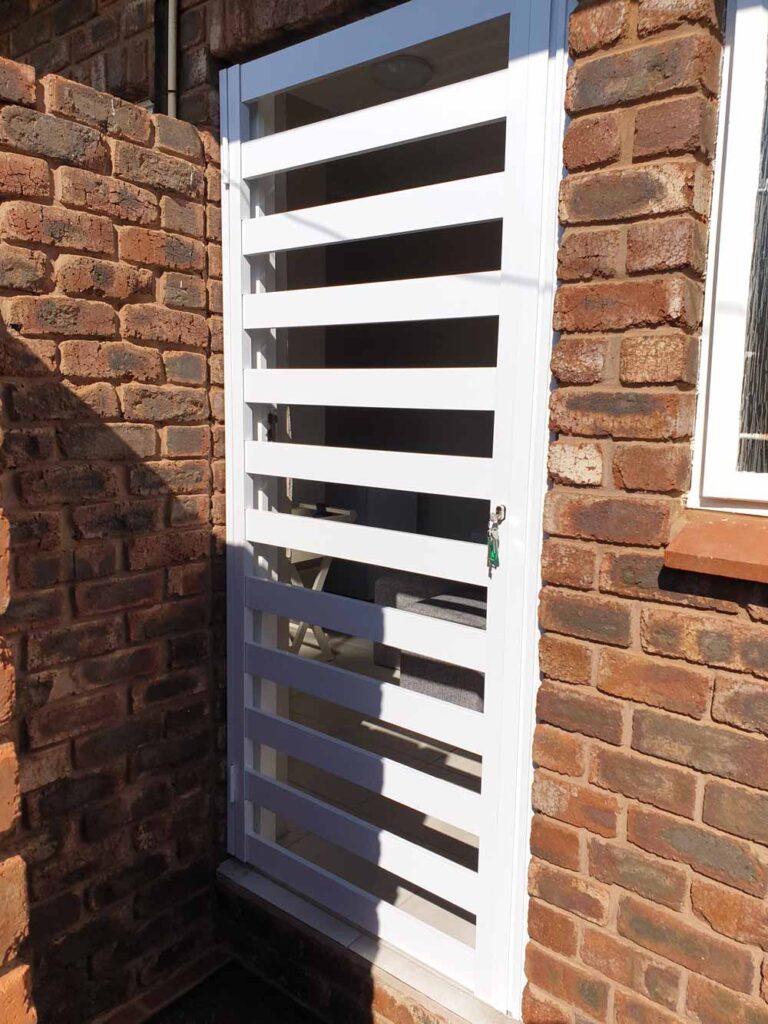
Cottage pane windows, common across KZN homes, present unique vulnerabilities that are best addressed by bespoke craftsmanship rather than standard off-the-shelf security solutions.
Mapping your property’s entry points—both obvious and hidden—determines where custom security barriers will provide maximum protection.
This assessment guides effective burglar guard placement for your Durban home.
Strategic Positioning for Maximum Coverage
Once you’ve identified your home’s vulnerable access points, the next step is determining where burglar guards should be positioned for peak protection. Strategic positioning aligns guard placement with your property’s specific crime patterns and weak spots. This approach maximises coverage without requiring additional personnel.
Expert security assessments reveal ideal guard zones tailored to your unique situation. Guards stationed at identified breach points—such as gates, windows, or service entrances—can respond immediately to suspicious activity. Technology integration, including alarm systems and monitoring equipment, supports guard positioning by enhancing visibility at critical areas. In Durban’s three distinct operational zones—the port/South Basin logistics belt, Umhlanga/North Coast estate corridor, and the inner-city/Berea/Morningside commercial belt—differentiated operating environments require tailored deployment strategies rather than generic guarding approaches.
Cost-effective zoning strategies prioritise high-risk zones where syndicates typically exploit vulnerabilities. Your guards focus resources where they matter most, reducing exposure to targeted attacks. A free home security assessment can help identify exactly which zones on your property carry the highest risk and require the most robust physical barriers. This targeted placement creates a delighted outcome: all-encompassing protection across your property.
Match Your Guard Schedule to Your Business Hours: Not Generic Shifts
Most Durban businesses waste significant security resources by paying for generic 12-hour guard shifts that don’t match their actual operating hours.
Your business has unique security needs. Standard rotating schedules—typically 4 days on, 3 days off—often overlap with your low-risk periods, inflating costs unnecessarily. Grade D guards cost R5,500 per month, while Grade B guards exceed R8,500. Misaligned shifts add R5,000+ per month without providing proportional security value.
Instead, tailor your coverage to your operations. You need guard presence during the first 30 minutes after opening and the last 30 minutes before closing—your highest-risk windows. If you’re closed on weekends, don’t pay for weekend coverage. If you operate in the evenings, choose guards available during those hours. Grade C guards at R7,000 per month offer middle-cost extended coverage options. Many Durban security providers now offer custom-fitted installations tailored to your specific business schedule and risk profile.
This alignment reduces wasted spending while strengthening actual protection where it matters most. Pair your guard schedule with physical deterrents such as secure locking systems on access points to further reinforce your perimeter during unmanned hours.
Plot patrol routes that actually protect your assets
Your security guards aren’t truly protecting your assets if they’re walking random routes without strategic planning. Strategic patrol routes set your property’s first line of defence.
Set up a primary route running from your guard base to key checkpoints. Record exact distances and directions for every segment. Plot routes on physical maps to visualise the terrain and identify vulnerabilities.
Create alternate inbound and outbound paths for operational flexibility. This prevents predictable patterns that criminals can exploit. Guards should carry out successive stops and security checks at designated rally points to reassess the environment and confirm no breaches have occurred.
Survey routes for environmental hazards and unauthorised access points. Identify landmarks that verify travel lines. Adjust routes immediately when suspicious activity is detected. Complement physical patrols by ensuring all windows and entry points along the route are fitted with retractable security fixtures that deter intruders without blocking emergency escape routes.
Complete written route documentation before guards begin patrols. This ensures consistency and accountability. Your security team stays aligned with predetermined courses, removing wayfinding errors that can compromise protection.
What Generic Templates Miss (And Why Custom Beats Standard)
When you install mass-produced burglar guards without taking account of your property’s unique vulnerabilities, you’re effectively accepting security gaps that criminals actively exploit. Generic templates ignore critical weaknesses specific to your home. Standard window spacing often exceeds the secure 13-centimetre maximum, creating points of entry. Pre-drilled holes in mass-produced frames can also weaken the structure during installation. Your cellar shaft, side doors, and varying window dimensions are treated with one-size-fits-all solutions that fail to address them properly.
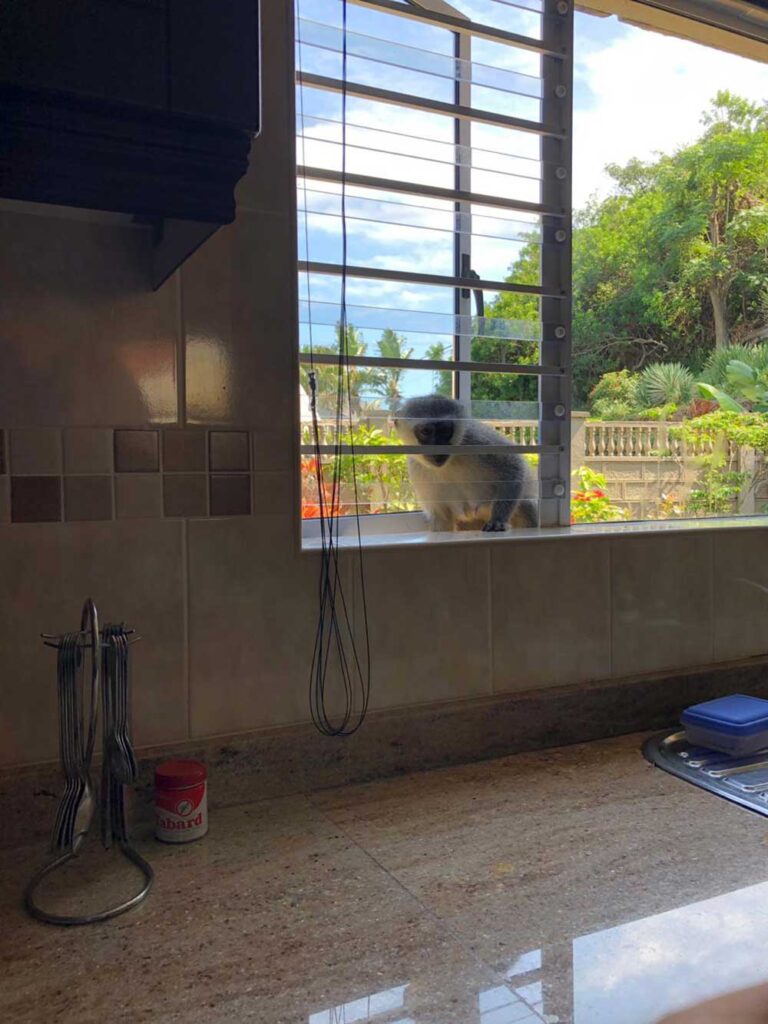
Custom burglar guards from Wonder Bars are designed around your property’s exact specifications. Roan and Kirsten Campbell’s team assesses each window frame individually, ensuring correct bar placement and reinforcement. They fit security film, motion-detected spotlights, and branded cellar grate locks tailored to your layout. This level of customisation removes the guesswork, delivering real protection that aligns with your home’s design and specific vulnerabilities. For properties in KZN’s wildlife-adjacent suburbs, custom systems can also include transparent barrier solutions to deter vervet monkeys without harming them, while also strengthening security against human intruders.
Read a Security Quote in 10 Minutes: Skip the Spreadsheets
Security quotes from guarding providers often bury operational details beneath pricing tables and hourly rates, leaving you unable to assess whether a proposal actually addresses your property’s vulnerabilities. Skip the spreadsheets. Focus instead on five operational areas that reveal genuine capability.
| Core Question | What It Reveals |
|---|---|
| Where exactly are guards positioned? | Site-specific vulnerability analysis |
| What’s the escalation procedure? | Incident response capability |
| How do shift patterns match your hours? | Operational alignment |
| What documentation supports the plan? | Professional depth |
You’ll spend ten minutes reviewing operational answers rather than hours comparing line items. Providers demonstrating specific post placement linked to your access points, clear SAPS coordination procedures, and documented shift justification earn your consideration. Price becomes secondary when you’ve verified that the structure actually works for your property.
Real Durban Guard Quotes: What to Expect and What to Ask
A quality security quote doesn’t reveal operational capability through pricing tables alone—it shows how thoroughly the provider has considered your property’s specific vulnerabilities.
When you receive a guard quote, ask these critical questions: What experience does the company have with your specific risk profile? What licenses and insurance coverage do they hold? How are guards trained and monitored for accountability?
Dig deeper into operational details. Request specifics on supervision frequency, post orders documentation, and night-shift alertness protocols. Ask what happens when guards become unavailable and how they guarantee continuity.
Red flags appear quickly. Vague statements like “professional supervision included” without visit frequencies suggest weak oversight. Missing relief guard procedures expose fragility. Generic post orders indicate insufficient site-specific planning.
Verify PSIRA grades and guard registration dates immediately. Confirm armed response times and panel compatibility. These details separate providers who understand Durban’s security landscape from those offering generic solutions.
Get your first bespoke burglar alarm quote today
Once you’ve evaluated what separates a thorough security provider from a generic one, you’re ready for the next step: requesting your custom burglar guard quote.
Contact Wonder Bars or comparable local providers via phone or an online form. You’ll receive instant estimates or a detailed written proposal within 24 hours. Gather your property dimensions, material preferences, and installation location before getting in touch. This preparation speeds up the quoting process.
| Quote Component | Timeframe | Cost Range |
|---|---|---|
| Initial phone estimate | Immediate | Free |
| Written proposal | 24 hours | Free |
| On-site inspection | 2–3 days | Free |
| Installation timeline | Varies | Included in quote |
| Material lead time | 5–7 days | Varies |
Request a breakdown including labour, materials, and transport costs. Ask about warranty coverage and post-installation support. Verify business credentials and insurance. You’ll make an informed decision with complete information.