


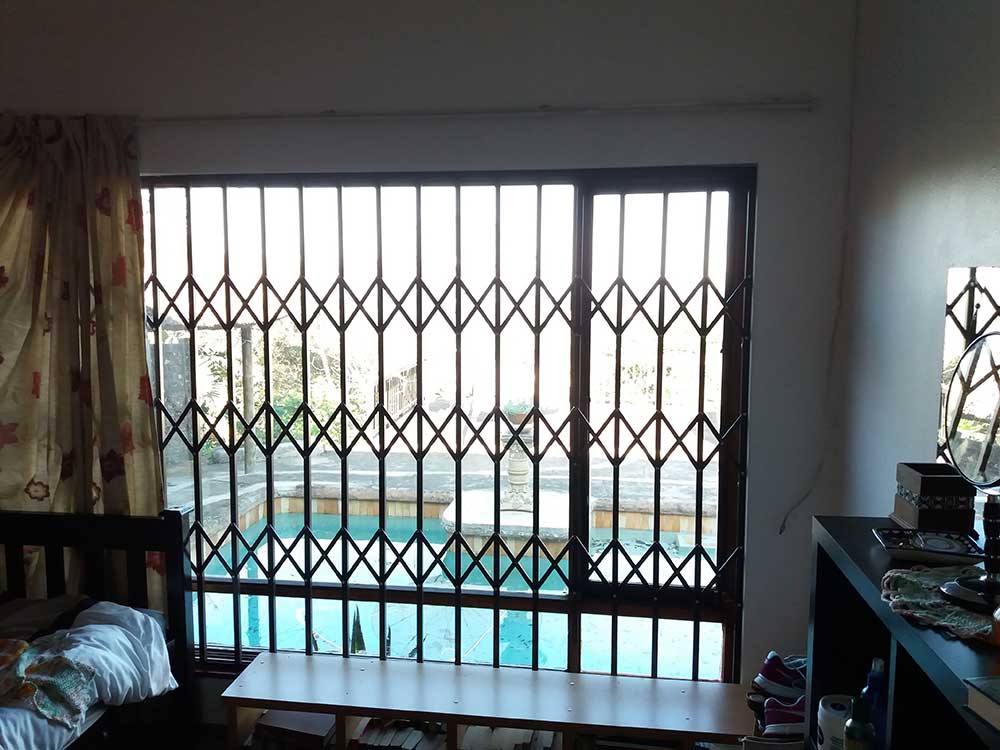
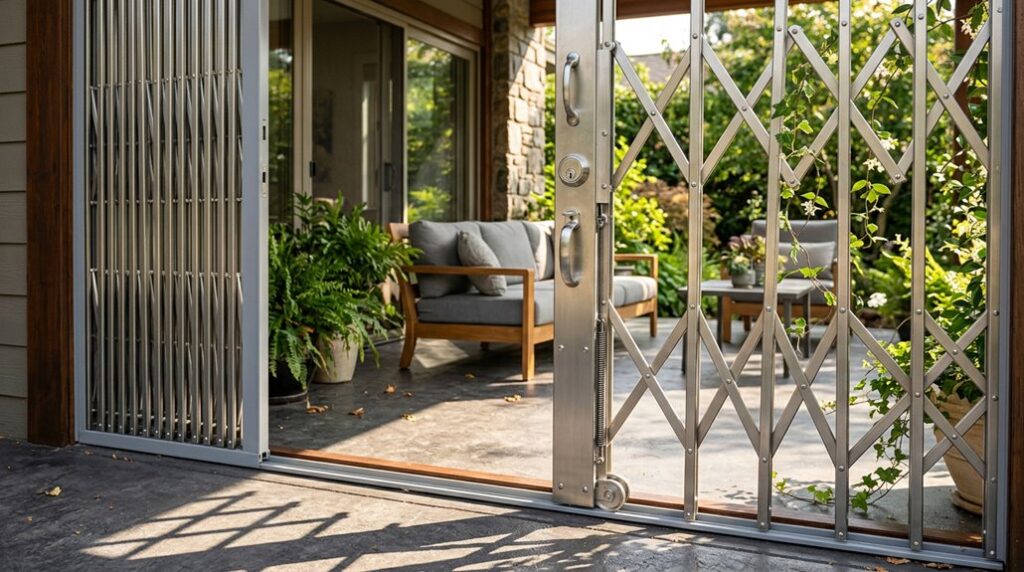
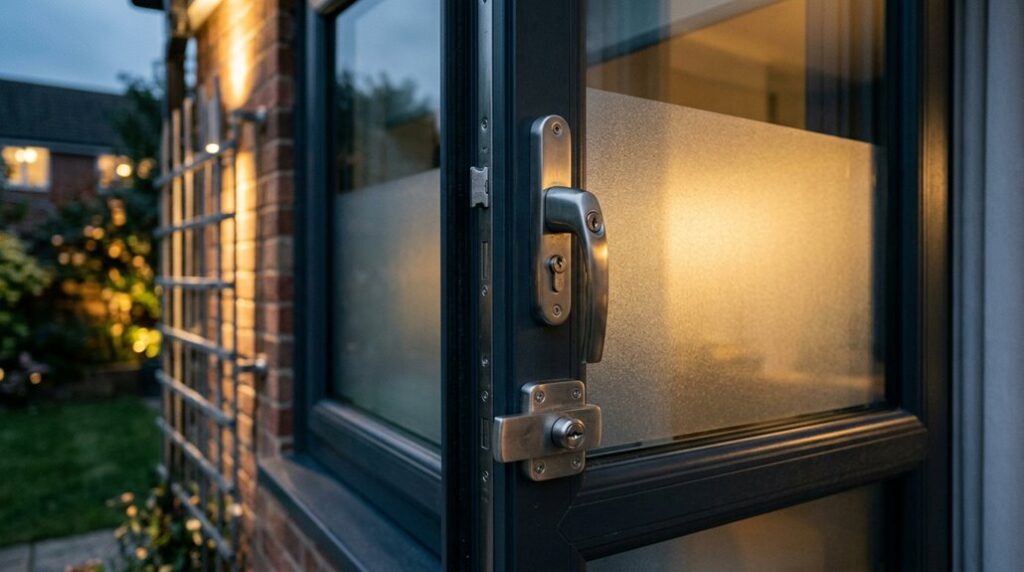
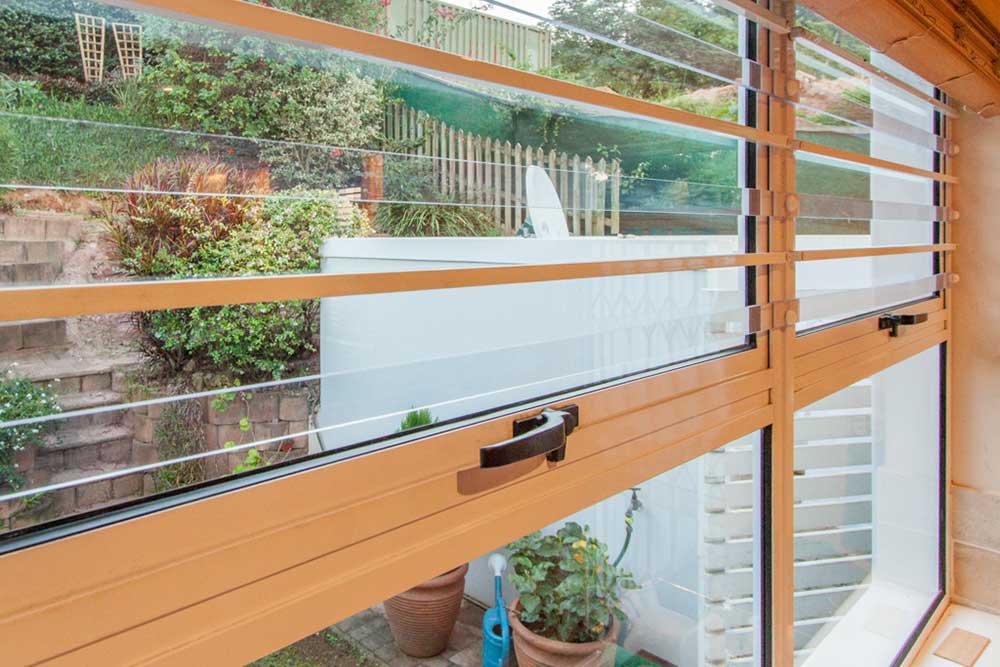

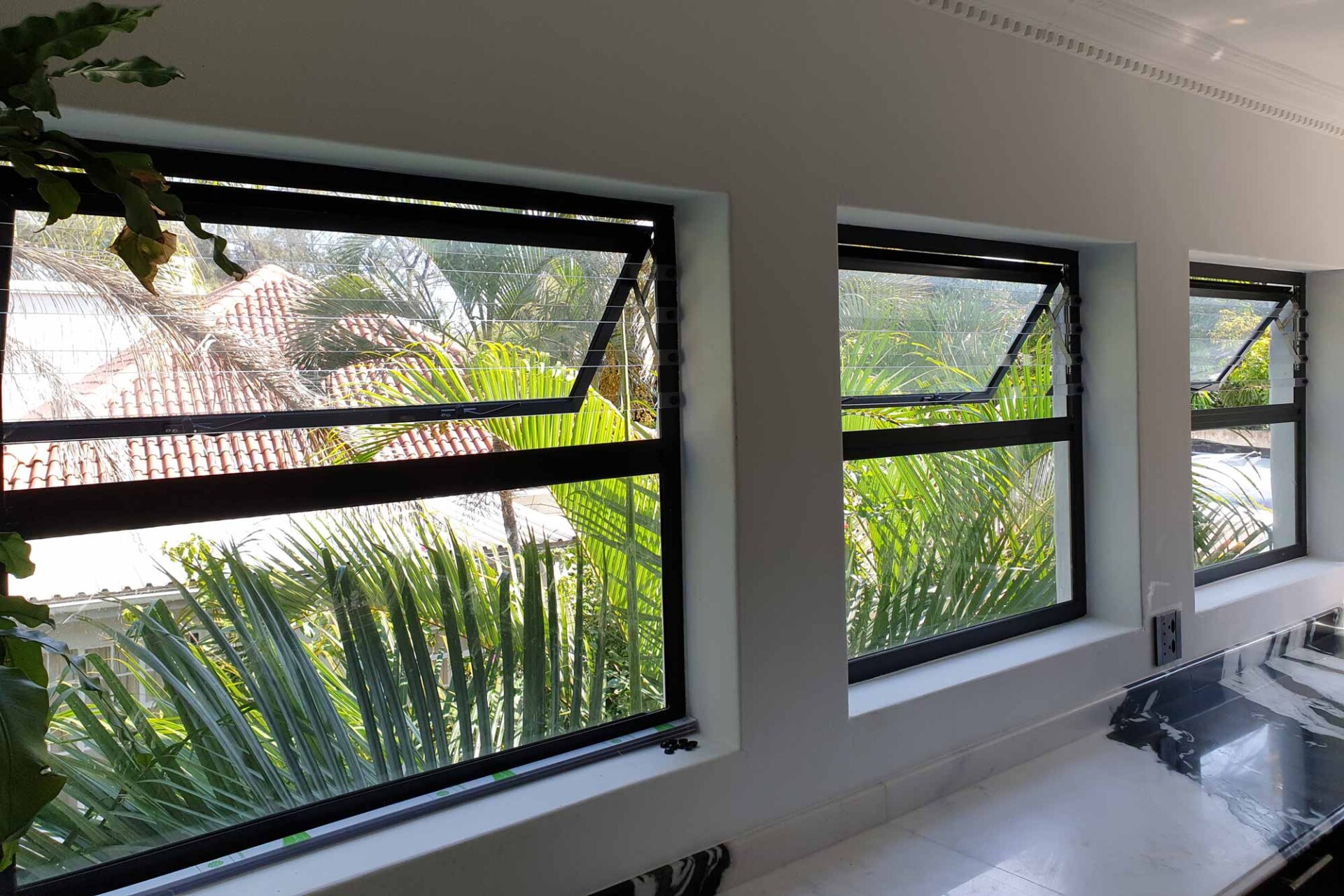
Most people installing folding window bars get the measurements wrong before they even start. Not slightly wrong—wrong enough to compromise the entire security system. The gap between a reliable installation and an expensive rework comes down to three critical decisions made before you order a single bar. Get your aperture dimensions, frame depth, and fix specifications right, and your large glass openings become genuinely fortified. Get them wrong, and you’ve spent serious money on something that won’t hold when it matters.
Folding Bars vs. Other Security Bar Types: Which Is Right for You?
When you’re evaluating security options for large glass openings, you’ll find that folding bars offer a distinct advantage over fixed bars by allowing quick emergency egress while maintaining sturdy protection. Fixed bars provide maximum resistance to tampering but breach fire safety codes for bedrooms without quick-release mechanisms. Your folding window solution balances resilient protection with ventilation needs, making it suitable for kitchens and living rooms where airflow matters.
Unlike fixed installations, folding bars in Durban swing open like gates, enabling rapid exits during emergencies. However, hinges require extra maintenance compared with solid rods. For maximum security effectiveness, consider pairing your folding bars with glass break alarms to enhance occupant safety and provide professional monitoring capabilities.
When selecting folding window bars, consider your space’s primary function. Security-conscious homeowners across the region appreciate this balanced approach—combining dependable protection with practical accessibility that fixed bars simply can’t provide. For a more tailored solution, a free on-site assessment can help identify the most suitable security configuration for your specific openings and property layout.
Measure Folding Bars Accurately: A Step-by-Step Guide
Accurate measurements form the foundation of properly fitted folding window bars, and getting this step right prevents costly fabrication errors and installation delays. You’ll use a metal folding rule for rigidity, measuring your glass openings at three distinct points: top, middle, and bottom for width, and left, center, and right for height.
| Measurement Type | Location | Recording Method |
|---|---|---|
| Width | Top, middle, bottom | Record smallest value |
| Height | Left, center, right | Record smallest value |
| Depth | Between frame stops | Minimum 3¼ inches required |
Record all readings in W x H format. Wonder Bars Durban recommends verifying frame squareness by measuring diagonals. Differences exceeding ¼ inch indicate settling. When measuring depth, use the slide extension feature to accurately reach into corners and tight spaces between frame stops. Double-check measurements twice before submission. For added confidence before finalising your measurements, scheduling a free home security assessment with qualified advisors ensures your window dimensions and specific vulnerabilities are professionally evaluated. This precision makes certain your retractable windows and security bars function seamlessly together.
When to Specify Custom Folding Bar Fabrication
Standard folding bar systems work well for straightforward window installations, but your project may require custom fabrication if you’re working with non-standard dimensions, complex bend configurations, or specific production requirements.
Custom window grilles become essential when your large glass openings exceed standard machine bed lengths. Over-specifying equipment wastes budget; under-specifying creates production delays. You’ll benefit from custom fabrication when your design requires both up-folds and down-folds in a single programme, or when multiple angles demand advanced multi-axis systems. Portable and foldable designs allow for easier set-up and take-down compared to permanently installed security systems.
For burglar bars KZN projects with tight timelines, custom machines with offline programming software can reduce cycle times significantly. Relief slices cut into thicker material enable straighter bends without rounded corners, enhancing the aesthetic appeal of your physical security installation while maintaining structural integrity. Wonder Bars assesses your exact specifications to determine whether a standard or custom solution will deliver the best result. With over 4 000 bespoke installations completed, Wonder Bars brings proven experience to projects involving the most demanding fabrication and dimensional requirements.
Protecting Folding Bars Against Rust and Weather Damage
You’ll protect your folding bars by applying protective coatings in multiple layers, sealing weather-vulnerable joints, and establishing a consistent maintenance schedule.
The coating system—including rust-inhibitive primer, oil-based enamel paint, and polyurethane sealant—forms your primary defence against moisture and corrosion in South Africa’s variable climate. In coastal areas, reapply this protective coating annually to maintain the moisture barrier’s effectiveness against salt spray and humidity.
Monthly inspections, prompt cleaning, and adjusting lubrication frequency according to your environment determine how long your custom bars remain both secure and visually appealing. For added reassurance, choosing components that meet SABS and UKAS approved standards ensures your materials are built to withstand South Africa’s demanding weather conditions over the long term.
Protective Coating Application Methods
Protecting your folding window bars from rust and weather damage requires a systematic approach that starts well before any paint touches the metal surface.
First, remove grease, oil, and dirt using water jetting or wet abrasive blast cleaning. Apply an inhibitive agent or phosphate wash primer immediately after cleaning to minimise flash rusting. For the best protection, consider swing-away bars with quick-release mechanisms, which make it easier to access both the bars and the windows for cleaning and maintenance.
For home security in South Africa that residents trust, choose metal-specific paints designed for outdoor steel protection. Apply base coats using standard spraying or brushing methods, ensuring each layer dries fully before the next. Use stripe coating on edges and complex areas to achieve an even, uniform finish.
Store coated bars above ground on wooden timbers with a protective covering. Inspect them periodically for signs of rust, chipping, or weather-related damage. Arranging a free home security assessment with a professional adviser can help identify early signs of deterioration before they compromise the integrity of your installation.
This structured maintenance protects your investment while preserving the aesthetic appeal that sets Wonder Bars’ custom security solutions apart.
Weather Sealing and Drainage
While a sturdy protective coating guards your folding window bars against rust, the sealing strategy around those bars matters just as much—perhaps more. Water infiltration remains your greatest adversary. You’ll be pleased to know that proper weather sealing prevents moisture from reaching the folding bar mechanism, which helps minimise rust formation at critical joints. Before sealing, inspect your windows for air leaks at the bottom of the sash, along the centre sash ridge where the lock is, and around the window frame.
Your sealing approach should address three key areas:
- Weatherstripping selection: Rubber seals compress better than foam alternatives and retain their shape through repeated opening cycles, offering superior tolerance for KwaZulu-Natal’s cold temperatures.
- Gap management: V-seal strips fitted in channels block water entry while maintaining an airtight closure and allowing any necessary drainage.
- Jamb protection: Correct sealing of the window jamb prevents water from reaching internal folding mechanisms entirely.
This integrated strategy delivers a great result—lasting protection for your custom security installation. For heritage properties with decorative glazing, combining weather sealing with bespoke craftsmanship solutions ensures both moisture resistance and the preservation of your home’s original architectural character.
Regular Maintenance and Inspection
Regular maintenance and inspections form the backbone of folding window bar longevity in KwaZulu-Natal’s challenging climate. You should check the bars monthly for rust spots, bent sections, and loose fasteners. Inspect the connection points where bars meet the frames for gaps or corrosion indicators such as bubbling paint.
Clean your bars regularly using a handheld vacuum with a brush attachment, then spray with a garden hose and dry immediately with a microfiber cloth. Use mild soap and warm water for stubborn grime, working from the top down. Keep drainage channels clear to prevent water build-up, which accelerates rust formation on metal components.
Apply rust-resistant coatings by sanding affected areas first, then adding zinc-rich primer followed by two coats of oil-based enamel. Finish with clear polyurethane sealant on corners and joints. Lubricate hinges every 3–4 months with weather-resistant silicone products, increasing frequency to every 4–6 weeks during summer. Scheduling a professional property assessment enables an expert to identify early-stage corrosion or structural weaknesses that routine visual inspections might miss.
Installing folding security bars between the frame and the wall
The installation process begins with precise measurement and careful aperture preparation. You’ll measure the height and width of your glass opening to determine gate dimensions. Select a folding security gate slightly wider than your measured doorway width.
Precise measurement and careful aperture preparation are essential first steps when installing your folding security gate.
Position your gate correctly using these essential steps:
- Subtract 5 to 10 mm from aperture dimensions for reveal fix systems
- Add 100 mm to measurements if installing a face fix system instead
- Locate the centre point of your window aperture to allocate one central bar initially
Hold the folding security gate 1.25 inches away from the wall. Mark the floor where you’ll drill the bottom gate pin hole using this offset measurement. Use fitting shims to bring your window bars level before securing them. For optimal security, ensure a two-person installation is completed to safely handle and position the folding bars during the mounting process. Fix the base section first, then secure the sides and top to your frame. For properties in wildlife-prone areas, consider scheduling a free home assessment with security advisors to identify all vulnerable entry points before installation begins.
Maintain Hinges to Prevent Mechanical Failure
You’ll protect your folding window bars’ hinge mechanisms by setting up a regular lubrication schedule and using rust prevention techniques that work together to extend their lifespan.
Light mineral oil or silicone spray applied once or twice yearly, plus light engineering oil every four months, keeps the moving parts working smoothly while preventing corrosion damage.
Failing to carry out these maintenance steps allows friction, rust, and mechanical wear to build up, eventually compromising both the security performance and the visual appeal of your custom installation. For installations that require a professional assessment or replacement components, Wonder Bars offers free personalised quotes to help you address hinge maintenance concerns before they escalate into costly security failures.
Regular Lubrication Schedule
Keeping your folding window bars operating smoothly requires consistent attention to their moving parts, particularly the hinges that carry the weight and friction of repeated opening and closing.
You’ll achieve great results by establishing a maintenance rhythm that prevents mechanical failure and extends the lifespan of your security investment.
Develop your lubrication schedule around these key timing points:
- Schedule lubrication every few months to prevent hinge stiffness and ensure responsive operation
- Carry out thorough annual maintenance checks once per year to identify wear and corrosion
- Apply lubricant during spring and summer to keep tracks free from obstruction, then carry out checks before winter to prevent moisture-related issues
This proactive approach protects your folding bars’ functionality.
You’re investing in long-term security and aesthetic appeal by staying ahead of mechanical degradation.
Your commitment to regular maintenance ensures your bespoke security solution performs reliably for years.
Rust Prevention Techniques
Rust forms when moisture contacts bare steel, creating iron oxide that compromises hinge function and aesthetics. You’ll protect your folding window bars by selecting stainless steel or treated hinges that inherently resist corrosion. Apply zinc electroplating or colour finishes to create moisture barriers against rust formation.
You can implement drainage strategies by installing small gaps at critical hinge points and positioning hinges at angles so water runs off naturally. Use rubber washers between outdoor hinges and mounting surfaces to block water entry completely.
For existing rust, you’ve got accessible removal options. Apply baking soda paste for 30 minutes, then scrub with a stiff-bristled brush. Use salt covered with vinegar for one hour to dissolve iron oxide chemically. Remove loose particles with medium-grit sandpaper (120–150 grit).
Seal cleaned hinges immediately with rust-inhibiting primer and outdoor-grade enamel paint. Reapply protective coatings regularly during use to maintain corrosion barriers effectively.
Professional Folding Bar Installation vs. DIY: Make Your Decision
Installing folding window bars on large glass openings presents a genuine decision point between professional installation and a do-it-yourself approach. Your choice depends on your skill level, available tools, and compliance requirements.
Consider these key factors:
- Safety and structural integrity: Professional installers check load requirements and secure anchoring into structural framing, eliminating fall risks and the potential for glass collapse from incorrect mounting.
- Warranty protection: Product documentation often specifies licensed installers to maintain coverage. DIY installation voids warranties and creates liability exposure.
- Compliance and permits: Local building codes require permits and inspections. Professional installation ensures adherence to regional safety standards; DIY approaches risk legal penalties.
Professional labour typically costs ZAR 150–400 for basic projects. This investment saves rework expenses, removes scheduling stress, and delivers an excellent result that protects your investment long-term.
Think your windows are safe just because they are shut tight? Think again. Discover exactly how to fortify your glass with our guide to the ultimate window security solutions designed to keep uninvited guests firmly outside.